
Is spearmint leaf vegan?
Spearmint leaf is a vegan food ingredient.
Checking out an ingredients list? 👇
"You are amazing, this has saved me so much time when grocery shopping!"
— Austin, a user who reached out with feedback
"It's been a great tool since starting my journey! You take a pic of the nutrition/ingredients, and it'll warn you of anything questionable or not vegan. 😁"
— Ashe, a Vegan For Beginners Facebook Group member
"Use a vegan app when you go shopping, I use WhatsVegan."
— Dóra, a Vegan For Beginners Facebook Group member
So, what is spearmint leaf?
Spearmint, scientifically known as Mentha spicata, is a perennial herb deeply valued for its vibrant flavor and aromatic properties. From refreshing beverages and culinary dishes to herbal remedies, its distinct cooling sensation and subtly sweet profile make it a cherished ingredient across various applications. As a botanist and advocate for ethical consumption, understanding the foundational nature of such ingredients is paramount.
The status of spearmint leaf is unequivocally vegan. This classification stems directly from its origin as a pure botanical entity. Spearmint is a plant, growing from the earth, utilizing sunlight, water, and nutrients from the soil. There is no animal involvement, no animal exploitation, and no animal-derived byproducts inherent in its cultivation or the harvesting of its leaves. It is, by its very nature, a cruelty-free ingredient, aligning perfectly with the core principles of animal ethics.
When considering the journey from plant to plate, concerns often arise regarding processing aids or hidden animal inputs. For spearmint leaf, particularly in its fresh or dried form, such concerns are largely unfounded. The processing typically involves gentle cleaning, drying (either air-dried or through controlled dehydration), and packaging. These steps do not require the use of animal-derived clarifying agents, gelatin-based capsules (if consumed as a supplement, the leaf itself is not), or other non-vegan substances that might taint other ingredients during manufacturing. This inherent purity contributes significantly to its appeal within the vegan community, where label transparency and unadulterated plant-based sources are highly prized.
Spearmint is not merely a plant-based alternative; it is a fundamental plant-based ingredient. It stands as a testament to the bounty of nature, offering a versatile culinary and medicinal resource without ethical compromise. Its cultivation, focused on maximizing leaf yield and essential oil content, typically involves standard agricultural practices that, while varying in sustainability approaches, do not inherently introduce animal-derived components to the leaf itself. For those meticulously adhering to vegan principles, the direct harvesting and minimal processing of spearmint leaves present no gray areas.
Whether infused into teas, chopped into salads, or garnishing desserts, spearmint leaf remains a celebrated component of vegan cuisine. Its inherent plant origin means that consumers can enjoy its bright, refreshing taste with complete assurance that no sentient beings were harmed or exploited in its journey to their kitchens. This unwavering commitment to ethical sourcing, by way of direct botanical origin, positions spearmint as a definitive and unimpeachable vegan ingredient.
How to quickly find the source of ingredients like spearmint leaf?
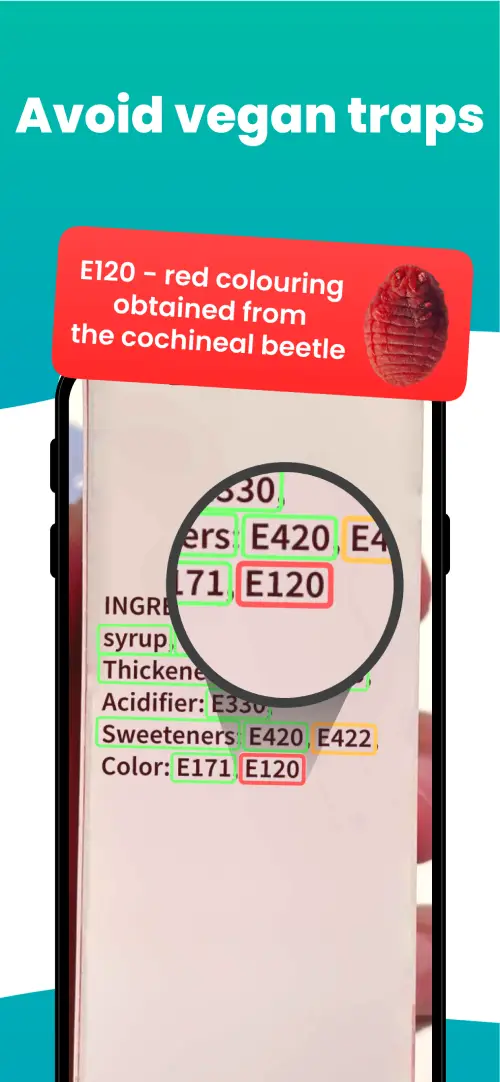
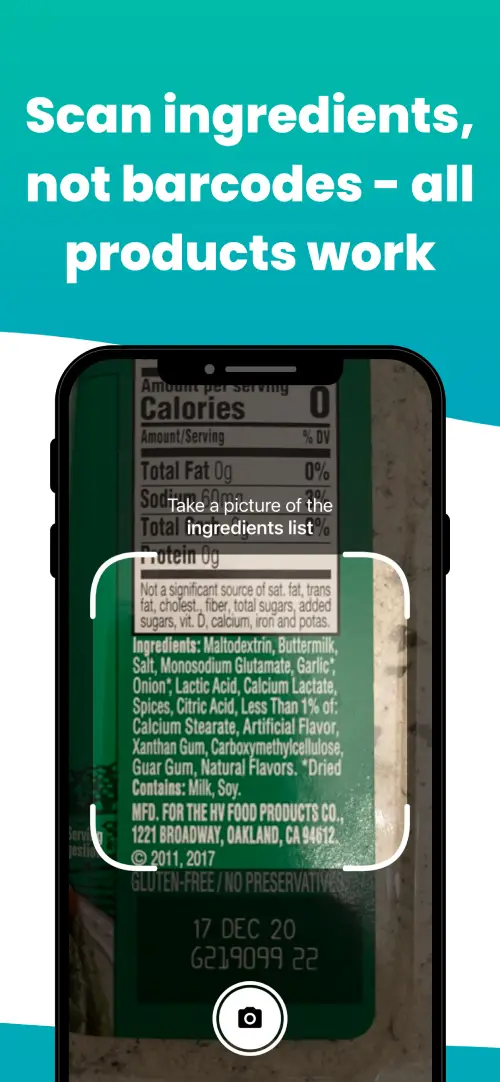
We've built a vegan ingredients scanner that classifies food ingredients as "vegan", "non-vegan", or "potentially vegan".
It allows you to avoid non-vegan ingredients - just take a picture of a product's ingredient list, and the app tells you if the product is vegan or not.



Check out other ingredients:
Is spanish paprika vegan?Is red 22 lake vegan?Is citrus grandis (grapefruit) fruit extract vegan?Is ci77492 vegan?Is chondrus crispus (carrageenan) vegan?Is primrose oil vegan?Is ci778161 vegan?Is citrus sinensis peel oil vegan?Is karubin vegan?Is iogurt natural ensucrat vegan?Is hypromellose vegan?Are lards vegan?
We'll never send you spam.