
Is reduced iron vegan?
Reduced iron is a vegan food ingredient.
Checking out an ingredients list? 👇
"You are amazing, this has saved me so much time when grocery shopping!"
— Austin, a user who reached out with feedback
"It's been a great tool since starting my journey! You take a pic of the nutrition/ingredients, and it'll warn you of anything questionable or not vegan. 😁"
— Ashe, a Vegan For Beginners Facebook Group member
"Use a vegan app when you go shopping, I use WhatsVegan."
— Dóra, a Vegan For Beginners Facebook Group member
So, what is reduced iron?
In the landscape of fortifying ingredients, reduced iron holds a significant and reassuring position for those committed to a vegan lifestyle. This elemental form of iron, often found enriching flours, cereals, and plant-based protein products, stands as a clear example of an ingredient that perfectly aligns with animal ethics and purity standards.
What is Reduced Iron?
Reduced iron, sometimes labeled as electrolytic iron or carbonyl iron, is essentially pure iron metal in a finely powdered form. It is produced through a process of reducing iron oxides—common rust—using hydrogen or carbon monoxide at high temperatures. This chemical transformation removes oxygen, yielding elemental iron (Fe). Unlike the heme iron found in animal flesh, reduced iron is non-heme iron, the same type naturally present in many plant foods like lentils, spinach, and tofu. Its texture is a fine, dark gray powder, tasteless and odorless, making it an ideal candidate for fortifying a wide array of foods without altering their sensory properties.
Vegan Status: Vegan
The production of reduced iron is a purely inorganic chemical process. It begins with iron ore, a mineral extracted from the earth, and undergoes a series of physical and chemical transformations that do not involve any animal-derived substances at any stage. There are no animal fats, bones, or byproducts utilized as raw materials, processing aids, or catalysts. This direct, synthetic pathway ensures that reduced iron is entirely free from animal exploitation or components, making it unequivocally vegan. It is not an animal-derived product, nor does its creation rely on any cruel practices. Its widespread use in plant-based alternatives further solidifies its role as a common and accepted vegan ingredient, valued for its purity and efficacy.
Nutritional Fortification for Plant-Based Diets
For individuals following plant-based diets, ensuring adequate iron intake is a key nutritional consideration. While many plant foods are rich in iron, the non-heme iron they contain can be less readily absorbed by the body compared to heme iron. Reduced iron serves as a crucial fortifying agent, helping bridge potential nutritional gaps and ensuring that staples like fortified bread, pasta, and breakfast cereals contribute meaningfully to daily iron requirements. This makes it an invaluable component in the creation of nutritionally robust plant-based alternatives, allowing consumers to maintain optimal health without compromising their ethical principles. It acts as a direct, cruelty-free source of this vital mineral.
Integrity in Processing and Label Transparency
The manufacturing pathway for reduced iron is generally straightforward and clean, further reinforcing its vegan status. Concerns regarding cross-contamination or the use of animal-derived processing aids, which can sometimes plague other ingredients, are not typically an issue with reduced iron. Its elemental nature and the industrial methods employed for its purification leave little room for such complexities. For brands committed to label transparency, declaring "reduced iron" clearly communicates a safe and ethical ingredient choice to the vegan consumer. It represents a commitment to providing essential nutrients through means that respect animal welfare.
Reduced iron stands as a testament to how scientific innovation can support ethical dietary choices. Its inorganic origin and vital role in nutritional fortification make it a truly commendable and indispensable ingredient for the growing vegan community, ensuring both health and purity on the plate.
How to quickly find the source of ingredients like reduced iron?
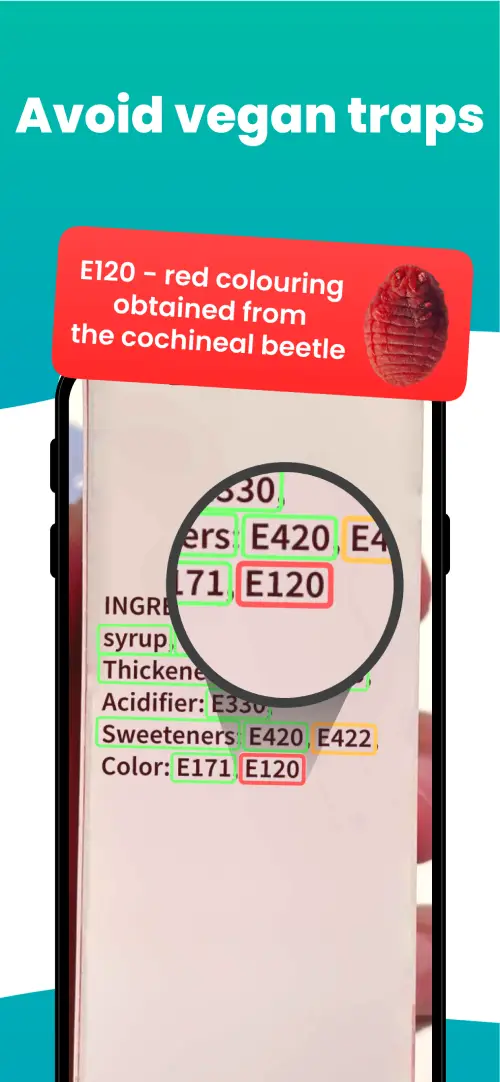
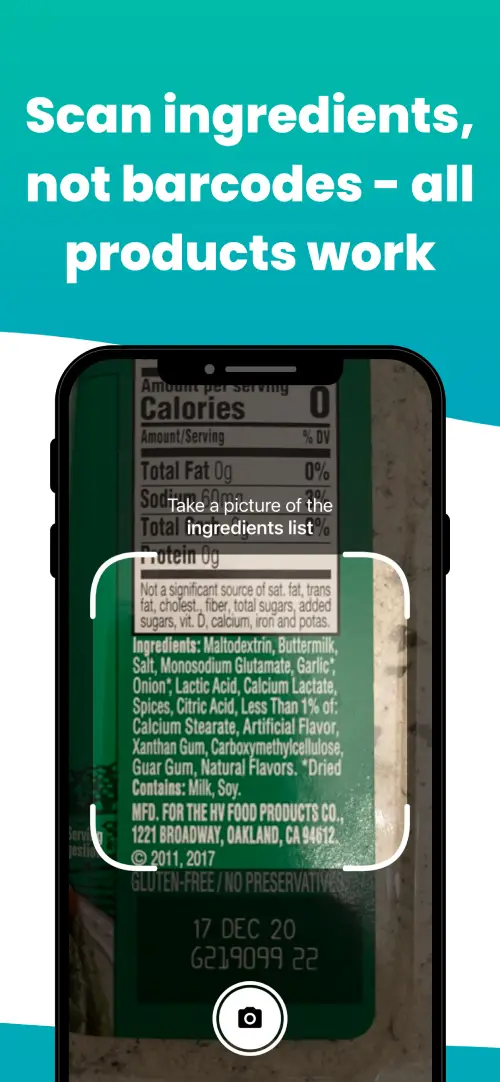
We've built a vegan ingredients scanner that classifies food ingredients as "vegan", "non-vegan", or "potentially vegan".
It allows you to avoid non-vegan ingredients - just take a picture of a product's ingredient list, and the app tells you if the product is vegan or not.



Check out other ingredients:
Is barbecue sauce vegan?Is vegetable oil vegan?Is bbq sauce vegan?Is high oleic soybean oil vegan?Is golden sweet corn vegan?Is creatine monohydrate vegan?Is yellow sweet corn vegan?Is sodium saccharin vegan?Is e954 vegan?Is sweet pickle relish vegan?Is zinc chloride vegan?Is hummus flavored vegan?
We'll never send you spam.