
Is creatine monohydrate vegan?
Creatine monohydrate is a vegan food ingredient.
Checking out an ingredients list? 👇
"You are amazing, this has saved me so much time when grocery shopping!"
— Austin, a user who reached out with feedback
"It's been a great tool since starting my journey! You take a pic of the nutrition/ingredients, and it'll warn you of anything questionable or not vegan. 😁"
— Ashe, a Vegan For Beginners Facebook Group member
"Use a vegan app when you go shopping, I use WhatsVegan."
— Dóra, a Vegan For Beginners Facebook Group member
So, what is creatine monohydrate?
Creatine Monohydrate: Understanding Its Place in a Plant-Based Lifestyle
Creatine monohydrate stands as one of the most thoroughly researched and effective supplements available, revered by athletes and fitness enthusiasts across various dietary preferences. For those committed to a vegan lifestyle, understanding the origin and processing of any supplement is paramount. When it comes to creatine monohydrate, its status as a genuinely vegan ingredient is not just a fortunate coincidence, but a testament to modern biochemical synthesis.
The "why" behind creatine monohydrate's vegan certification lies in its manufacturing process. Unlike many compounds that might be extracted from animal tissues or byproducts, high-quality creatine monohydrate is entirely synthesized from non-animal precursors. The primary raw materials typically used are sarcosine and cyanamide, both of which are derived from non-animal sources. This industrial synthesis route ensures that the final product, a pure, white crystalline powder, contains no animal-derived ingredients, nor does it involve animal exploitation at any stage of its creation. This makes it inherently cruelty-free, aligning perfectly with the ethical foundations of veganism.
For individuals following a plant-based diet, creatine monohydrate isn't merely an acceptable supplement; it often proves to be an exceptionally beneficial one. While the human body can synthesize some creatine, and small amounts can be found in certain plant foods, the most significant dietary sources are typically meat and fish. Consequently, individuals on a strict vegan diet generally have lower muscle creatine stores compared to omnivores. Supplementing with creatine monohydrate can effectively bridge this gap, supporting muscle strength, power output, and cognitive function, all crucial elements for active plant-based lifestyles.
Maintaining purity throughout the manufacturing chain is another critical aspect for vegans. Reputable producers of creatine monohydrate employ stringent quality control measures to prevent cross-contamination from non-vegan substances. Furthermore, the absence of animal-derived processing aids or filtration agents is essential. A truly vegan creatine monohydrate will guarantee that no animal bone char, gelatin, or other animal-derived compounds are utilized at any point, from synthesis to packaging. This commitment to label transparency allows consumers to confidently choose products explicitly marked as vegan.
In essence, creatine monohydrate is a stellar example of an efficacious supplement that seamlessly integrates into a plant-based diet without ethical compromise. Its synthetic origin provides a clear assurance of its purity, making it a reliable and powerful ally for anyone seeking to optimize their physical and mental performance while adhering to a vegan philosophy.
How to quickly find the source of ingredients like creatine monohydrate?
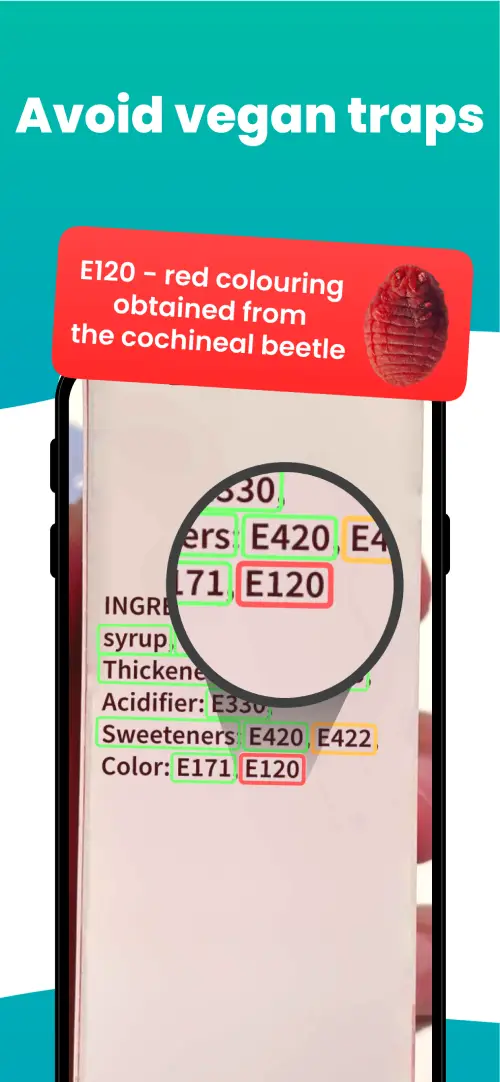
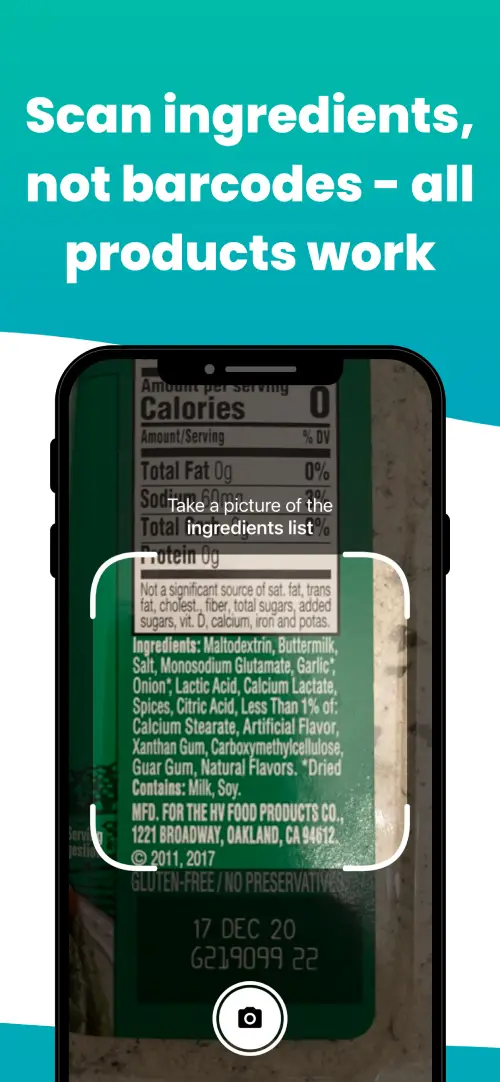
We've built a vegan ingredients scanner that classifies food ingredients as "vegan", "non-vegan", or "potentially vegan".
It allows you to avoid non-vegan ingredients - just take a picture of a product's ingredient list, and the app tells you if the product is vegan or not.



Check out other ingredients:
Is peg-40 hydrogenated castor oil vegan?Is sorbitol vegan?Is sodium saccharin vegan?Is modified palm kernel oil vegan?Is d-alpha tocopheryl acetate vegan?Is food blue 5 vegan?Is reduced iron vegan?Is allura red vegan?Is bbq sauce vegan?Is popcorn chicken vegan?Are potetmos vegan?Is sumo de cenoura vegan?
We'll never send you spam.