
Is smoked sturgeon vegan?
Smoked sturgeon is a non-vegan food ingredient.
Checking out an ingredients list? 👇
"You are amazing, this has saved me so much time when grocery shopping!"
— Austin, a user who reached out with feedback
"It's been a great tool since starting my journey! You take a pic of the nutrition/ingredients, and it'll warn you of anything questionable or not vegan. 😁"
— Ashe, a Vegan For Beginners Facebook Group member
"Use a vegan app when you go shopping, I use WhatsVegan."
— Dóra, a Vegan For Beginners Facebook Group member
So, what is smoked sturgeon?
Smoked sturgeon carries a certain mystique in the culinary world, often lauded for its rich, oily texture and pronounced smoky flavor. Its flesh, firm yet flaky, offers a distinctive experience, making it a coveted ingredient in gourmet dishes and traditional preparations across various cultures. However, for those navigating the landscape of animal ethics and striving for a plant-based lifestyle, its status is unambiguous.
At its core, smoked sturgeon is derived directly from the sturgeon fish—an ancient, cartilaginous ray-finned fish, revered for both its meat and its roe (caviar). The process of preparing smoked sturgeon involves catching these magnificent creatures, often from their natural habitats or through aquaculture, then brining and cold-smoking their filleted flesh. This means that every morsel of smoked sturgeon represents the life of a sentient being that has been captured, killed, and processed for consumption. From an ethical standpoint rooted in animal welfare and a commitment to minimizing harm, this unequivocally places smoked sturgeon in the "Not Vegan" category. The fundamental principle of veganism abstains from all animal products, recognizing the inherent right to life and freedom for all creatures.
For individuals dedicated to cruelty-free eating, the quest often turns to plant-based alternatives that can replicate the textural nuances and flavor profiles of traditional seafood. While no single ingredient can perfectly mimic the complexity of smoked sturgeon, several plant-based options offer compelling substitutes. Smoked carrots, when thinly sliced and marinated in a brine infused with seaweed and liquid smoke, can achieve a remarkably similar lox-like texture and smoky, briny taste, making them an excellent choice for bagels or canapés. King oyster mushrooms, with their dense, meaty stalks, can be shredded or sliced, then smoked and seasoned to provide a satisfying chew and umami depth reminiscent of fish. Similarly, smoked eggplant or marinated artichoke hearts can be transformed to offer a delicate flakiness and absorb robust smoky flavors, serving as versatile components in plant-based seafood dishes.
The journey towards a truly ethical plate extends beyond obvious animal meats. It encompasses a broader commitment to label transparency and understanding the origins of all ingredients, including potentially hidden animal-derived processing aids in other products. While smoked sturgeon itself is overtly an animal product, the very reason for its avoidance—the ethical imperative to protect animal life—underpins the larger vigilance required to ensure a diet is genuinely cruelty-free and aligned with plant-based principles. This dedication ensures that every choice made supports a future where food production prioritizes compassion and sustainability over exploitation.
How to quickly find the source of ingredients like smoked sturgeon?
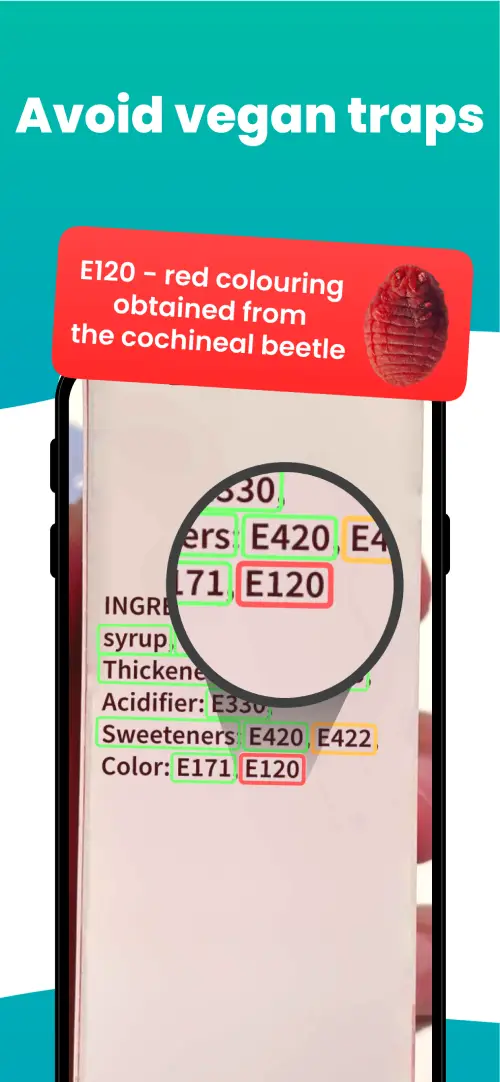
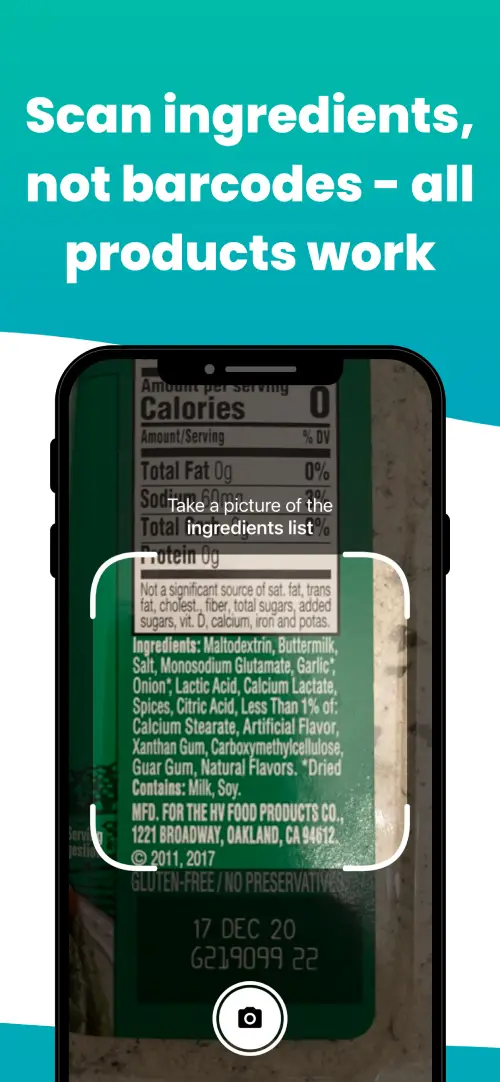
We've built a vegan ingredients scanner that classifies food ingredients as "vegan", "non-vegan", or "potentially vegan".
It allows you to avoid non-vegan ingredients - just take a picture of a product's ingredient list, and the app tells you if the product is vegan or not.



Check out other ingredients:
Is sturgeon vegan?Is smoked chorizo sausage vegan?Is walleye pike vegan?Is sturgeon steamed vegan?Is northern pike vegan?Is whey protein hydrolysate vegan?Is pasteurized whole and part skim milk vegan?Are non-fat milk solids vegan?Is white grapefruit juice vegan?Is cereali croccanti vegan?Is sucre démérara vegan?Is microbial rennet vegan?
We'll never send you spam.