
Is sodium caseinate vegan?
Sodium caseinate is a non-vegan food ingredient.
Checking out an ingredients list? 👇
"You are amazing, this has saved me so much time when grocery shopping!"
— Austin, a user who reached out with feedback
"It's been a great tool since starting my journey! You take a pic of the nutrition/ingredients, and it'll warn you of anything questionable or not vegan. 😁"
— Ashe, a Vegan For Beginners Facebook Group member
"Use a vegan app when you go shopping, I use WhatsVegan."
— Dóra, a Vegan For Beginners Facebook Group member
So, what is sodium caseinate?
Sodium caseinate is an ingredient frequently encountered within the food industry, and for individuals adhering to a vegan lifestyle, its status is unequivocally "Not Vegan." Understanding why this is the case requires a look into its derivation and fundamental composition.
At its core, sodium caseinate is a milk protein, specifically a derivative of casein. Casein itself is the primary protein found in mammalian milk, most commonly sourced from cows in commercial production. The process involves isolating casein from skim milk, typically through acidification, and then treating it with sodium hydroxide to form sodium caseinate. This transformation makes the protein more soluble and functional, presenting as a fine, creamy-white powder with a mild taste.
The "why" behind its non-vegan status is straightforward: it is a direct animal product. Casein is secreted by the mammary glands of animals, specifically for nourishing their young. Its extraction for human consumption relies entirely on the dairy industry, an enterprise inherently tied to animal agriculture. This directly contravenes the ethical tenets of veganism, which seek to avoid all forms of animal exploitation and cruelty. Regardless of its highly processed nature, sodium caseinate originates from an animal source, rendering it incompatible with a truly cruelty-free diet.
In food manufacturing, sodium caseinate is highly valued for its versatile functional properties. It acts as an excellent emulsifier, helping to blend water and oil components in products that might otherwise separate. Beyond this, it functions as a stabilizer, a thickener, and a protein fortifier. Its ability to provide a creamy mouthfeel, improve texture, and enhance the protein content makes it a staple in numerous non-vegan items. You might find it in conventional coffee creamers, processed cheeses (even some labeled "non-dairy," which can be misleading for vegans), some protein powders, nutritional shakes, and even certain baked goods where structure and moisture retention are desired.
For vegans, meticulous label transparency is paramount. The presence of sodium caseinate, or simply "caseinate," immediately indicates a product is not suitable. It's a critical distinction to make, especially when navigating products that might appear to be plant-based due or are advertised as "dairy-free." True dairy-free implies the absence of all milk components, including casein and lactose, but "vegan" goes further, ensuring no animal-derived ingredients whatsoever.
Fortunately, the culinary landscape is rich with plant-based alternatives that deliver comparable functionality without compromising ethical principles. For protein enrichment, options like pea protein, soy protein, rice protein, or hemp protein are widely utilized. To achieve emulsification and stabilization, various plant-based gums (like xanthan gum or guar gum), starches, and lecithin derived from sunflower or soy are commonly employed. Innovative food science continually develops new plant-based ingredients to mimic the textural and functional attributes historically provided by animal derivatives, ensuring that truly vegan products can offer the same satisfaction and performance.
In conclusion, sodium caseinate is an animal-derived ingredient, making it definitively non-vegan. Its presence signals a reliance on the dairy industry, which is inconsistent with a lifestyle dedicated to animal ethics and ingredient purity. For those committed to a vegan path, vigilance in scrutinizing ingredient lists and embracing the diverse world of plant-based alternatives remains essential.
How to quickly find the source of ingredients like sodium caseinate?
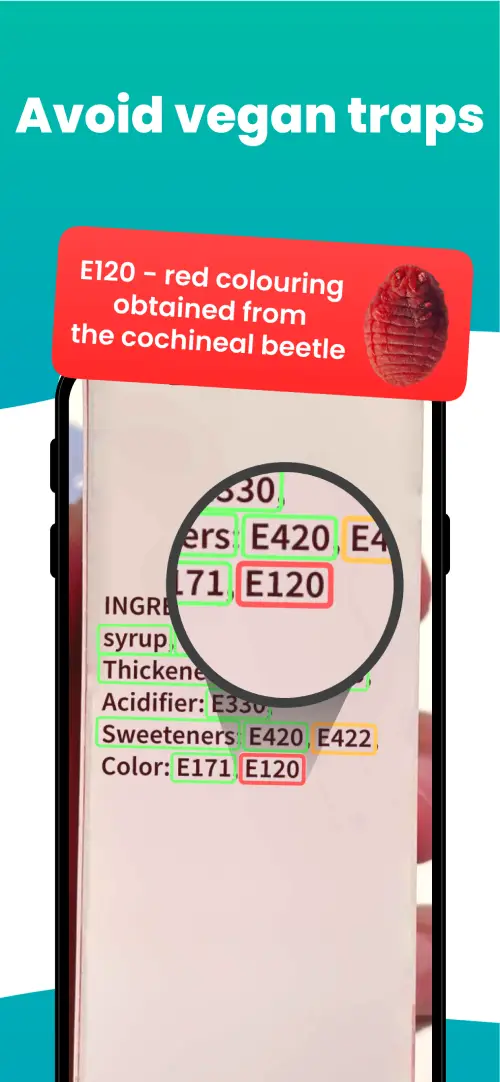
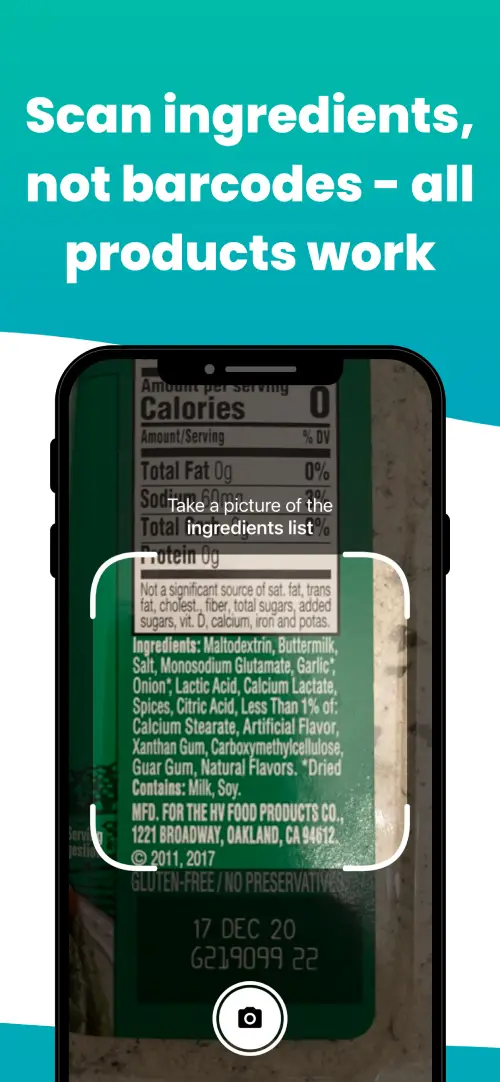
We've built a vegan ingredients scanner that classifies food ingredients as "vegan", "non-vegan", or "potentially vegan".
It allows you to avoid non-vegan ingredients - just take a picture of a product's ingredient list, and the app tells you if the product is vegan or not.



Check out other ingredients:
Is e1000 vegan?Is cultured pasteurised milk vegan?Is cultured pasteurized milk vegan?Is lysozyme vegan?Is pasteurized organic milk vegan?Are collagen amino acids vegan?Is wool grease vegan?Is 573 vegan?Is chorizo sausage vegan?Are alphahydroxyacids vegan?Is dehydrated potato vegan?Are poudre de blancs d' œufs vegan?
We'll never send you spam.