
Are collagen amino acids vegan?
Collagen amino acids is a non-vegan food ingredient.
Checking out an ingredients list? 👇
"You are amazing, this has saved me so much time when grocery shopping!"
— Austin, a user who reached out with feedback
"It's been a great tool since starting my journey! You take a pic of the nutrition/ingredients, and it'll warn you of anything questionable or not vegan. 😁"
— Ashe, a Vegan For Beginners Facebook Group member
"Use a vegan app when you go shopping, I use WhatsVegan."
— Dóra, a Vegan For Beginners Facebook Group member
So, what is collagen amino acids?
Collagen Amino Acids: An In-Depth Vegan Assessment
When navigating the intricate world of food and supplement ingredients, "collagen amino acids" often surfaces, heralded for their purported benefits for skin, hair, and joints. However, for those committed to a vegan lifestyle and the principles of animal ethics, understanding the precise origin and implications of this ingredient is paramount. From a scientific standpoint and an ethical perspective, collagen amino acids are unequivocally not vegan.
Collagen itself is the most abundant protein in the animal kingdom, serving as a primary structural component of connective tissues, skin, bones, tendons, and cartilage. It is a complex macromolecule synthesized exclusively by animal bodies. Collagen amino acids are the individual amino acid building blocks that result from the hydrolysis – a process of breaking down with water – of this larger collagen protein.
The source material for commercial collagen amino acids is invariably animal-derived. The vast majority originate from bovine (cow) hides and bones, porcine (pig) skin, or marine sources such as fish scales and skin. In each instance, these raw materials are byproducts of the meat, dairy, or fishing industries, directly necessitating the slaughter and processing of animals. This fundamental origin directly contravenes the core tenets of veganism, which seeks to exclude all forms of animal exploitation and cruelty, whether for food, clothing, or ingredients.
From the perspective of animal ethics and purity, the inclusion of collagen amino acids in any product marks it as non-vegan. There is no such thing as "cruelty-free" animal collagen, as its production inherently involves the commercial utilization of animal bodies. Furthermore, the concept of purity in veganism extends beyond avoiding direct harm to animals; it encompasses avoiding any substance that has its genesis in animal life, reinforcing the integrity of a plant-based diet and lifestyle.
For vegans seeking to support their body's natural collagen production, the focus shifts to providing the necessary precursors through plant-based nutrition. The human body is remarkably adept at synthesizing its own collagen when supplied with the right building blocks. Key nutrients that support this process include:
Vitamin C: Absolutely essential for collagen synthesis, acting as a co-factor in the hydroxylation of proline and lysine. Abundant in citrus fruits, berries, bell peppers, and leafy greens. Specific Amino Acids: The primary amino acids in collagen are glycine, proline, and lysine. These can all be readily obtained from a diverse vegan diet rich in legumes, nuts, seeds, whole grains, and vegetables. Silica: A trace mineral found in foods like oats, barley, and leafy greens, believed to play a role in collagen formation and stabilization. Copper and Zinc: Essential trace minerals involved in various enzymatic processes, including those critical for collagen cross-linking and stability.
Many plant-based supplement brands now offer "collagen-boosting" or "collagen-support" formulations. These do not contain collagen itself but rather a strategic blend of plant-derived vitamins, minerals, and amino acids designed to optimize the body's intrinsic ability to produce collagen, representing a truly ethical and effective alternative.
Ultimately, label transparency remains crucial for consumers. While some product labels might simply list "amino acids," if those are derived from collagen, they are not vegan. The diligent vegan consumer will always scrutinize ingredient lists, seeking explicit clarification when ambiguity exists, and opting for clearly labeled plant-based alternatives that align with a commitment to a life free from animal exploitation.
How to quickly find the source of ingredients like collagen amino acids?
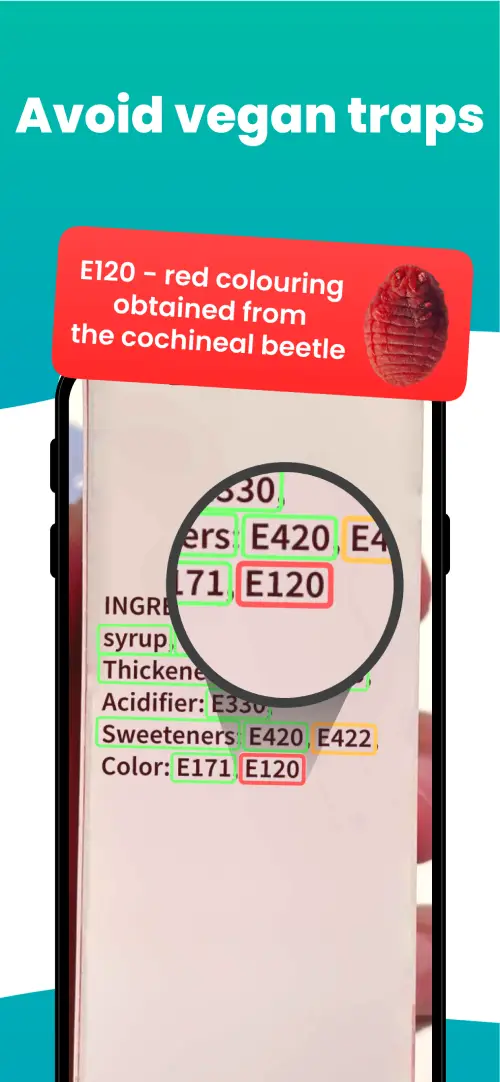
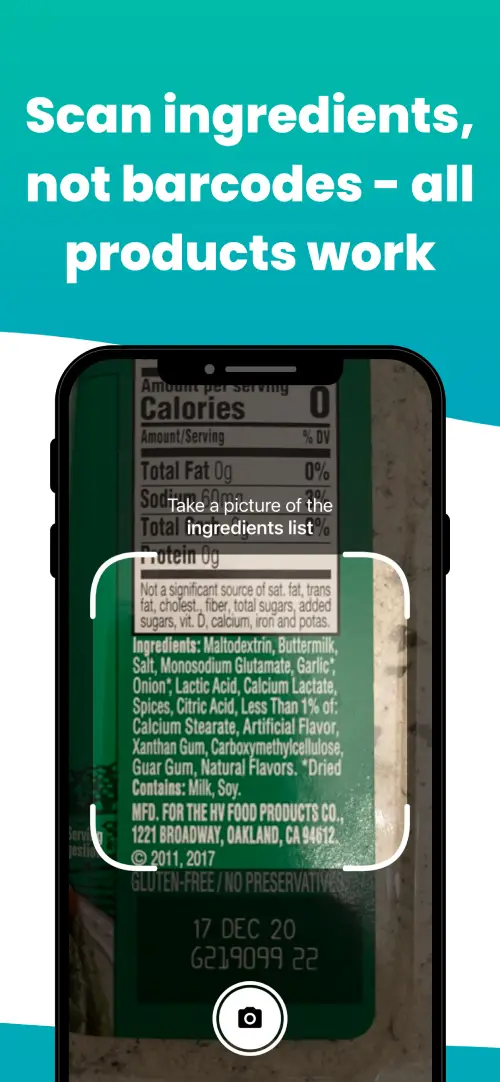
We've built a vegan ingredients scanner that classifies food ingredients as "vegan", "non-vegan", or "potentially vegan".
It allows you to avoid non-vegan ingredients - just take a picture of a product's ingredient list, and the app tells you if the product is vegan or not.



We'll never send you spam.