
Is sorbitan beeswax vegan?
Sorbitan beeswax is a non-vegan food ingredient.
Checking out an ingredients list? 👇
"You are amazing, this has saved me so much time when grocery shopping!"
— Austin, a user who reached out with feedback
"It's been a great tool since starting my journey! You take a pic of the nutrition/ingredients, and it'll warn you of anything questionable or not vegan. 😁"
— Ashe, a Vegan For Beginners Facebook Group member
"Use a vegan app when you go shopping, I use WhatsVegan."
— Dóra, a Vegan For Beginners Facebook Group member
So, what is sorbitan beeswax?
Understanding Sorbitan Beeswax: A Deep Dive for Conscious Consumers
For those committed to a vegan lifestyle, navigating the complex world of food and cosmetic ingredients can be a constant challenge. Sorbitan beeswax is one such compound that often raises questions, and for good reason. From a vegan ethical and scientific standpoint, it is imperative to understand that sorbitan beeswax is not vegan.
What is Sorbitan Beeswax?
Sorbitan beeswax is a sophisticated ingredient often utilized for its emulsifying and stabilizing properties. It helps combine oil and water components in formulations, creating a smoother texture and preventing separation in products ranging from lotions to baked goods. Chemically, it's an ester – a compound formed from an alcohol and an acid. In this case, it's derived from sorbitol, a sugar alcohol typically sourced from plants like corn or fruits, and fatty acids originating from beeswax.
While the sorbitol component itself is usually plant-derived, the crucial non-vegan element lies squarely with the "beeswax." Beeswax is a natural wax produced and secreted by worker bees (genus Apis) from glands on their abdomens. Bees use this wax to construct the walls of their honeycombs, where they store honey, pollen, and raise their young.
The Vegan Ethical Stance on Beeswax
From an ethical perspective deeply rooted in animal rights and purity, the use of beeswax – and by extension, sorbitan beeswax – is inconsistent with vegan principles. The production of beeswax is inextricably linked to the exploitation of bees. Conventional beekeeping practices often involve manipulating bee colonies, including selective breeding, queen confinement or artificial insemination, and the harvesting of honey and other bee products (like wax) that bees produce for their own survival.
Bees are sentient beings with complex social structures and crucial ecological roles. Taking their secretions, even if it doesn't directly involve slaughter, is viewed by the vegan community as an appropriation of animal labor and resources. True veganism extends beyond simply avoiding meat, dairy, and eggs; it encompasses a broader commitment to abstaining from all animal products and byproducts, ensuring that no animal is used for human gain, directly or indirectly. The integrity of a vegan lifestyle therefore necessitates avoiding ingredients derived from any animal, including insects like bees.
Identifying and Avoiding Sorbitan Beeswax
Due to its functional benefits, sorbitan beeswax can appear in a variety of products. In food science, it might be found in some baked goods, confectionery, or emulsified sauces. In cosmetics and personal care, it's a common component in balms, creams, lotions, and makeup, contributing to texture and stability.
For conscious consumers, vigilant label transparency is paramount. Always scrutinize ingredient lists for "sorbitan beeswax," "beeswax," "cera alba" (another term for beeswax), or any related bee products. When in doubt, contacting the manufacturer directly for clarification is the most reliable approach.
Plant-Based Alternatives
Fortunately, the innovative landscape of plant-based food science and cruelty-free product development offers numerous vegan alternatives that provide similar functionalities without compromising ethical standards. For emulsification and textural properties, plant-derived waxes like carnauba wax (from the leaves of the Brazilian palm tree) and candelilla wax (from the candelilla shrub) are excellent substitutes. Other options include various plant-based emulsifiers such as sunflower lecithin, gum arabic, xanthan gum, or specially formulated blends of vegetable fatty acids and sugar alcohols. These alternatives enable manufacturers to create high-quality, stable products that align with the values of animal ethics.
By understanding the origin and ethical implications of ingredients like sorbitan beeswax, consumers are empowered to make choices that truly reflect their commitment to a compassionate and cruelty-free world.
How to quickly find the source of ingredients like sorbitan beeswax?
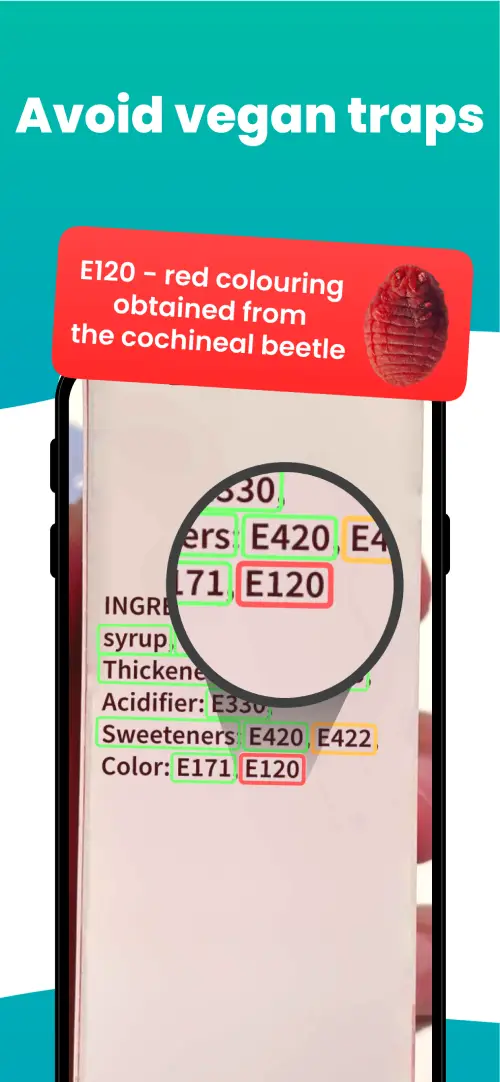
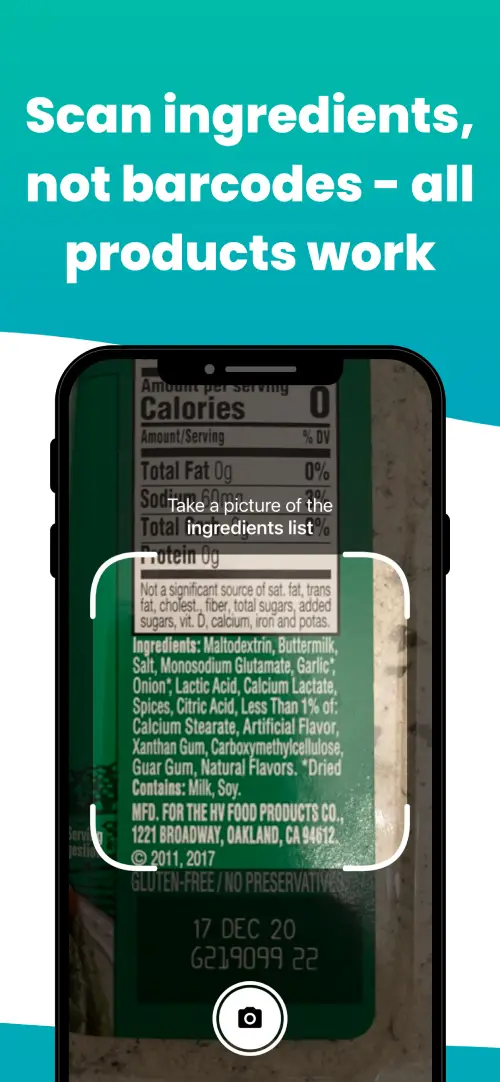
We've built a vegan ingredients scanner that classifies food ingredients as "vegan", "non-vegan", or "potentially vegan".
It allows you to avoid non-vegan ingredients - just take a picture of a product's ingredient list, and the app tells you if the product is vegan or not.



Check out other ingredients:
Is tallow aminopropylamine vegan?Is confectioner's glaze vegan?Is pearl essence vegan?Is confectioners' glaze vegan?Is guanine pearl essence vegan?Is guanine vegan?Is triacetine vegan?Is confectionery sugar vegan?Is oestrogen vegan?Is dove vegan?Is estrogen estradiol vegan?Are œuf entier extra-frais vegan?
We'll never send you spam.