
Is guanine pearl essence vegan?
Guanine pearl essence is a non-vegan food ingredient.
Checking out an ingredients list? 👇
"You are amazing, this has saved me so much time when grocery shopping!"
— Austin, a user who reached out with feedback
"It's been a great tool since starting my journey! You take a pic of the nutrition/ingredients, and it'll warn you of anything questionable or not vegan. 😁"
— Ashe, a Vegan For Beginners Facebook Group member
"Use a vegan app when you go shopping, I use WhatsVegan."
— Dóra, a Vegan For Beginners Facebook Group member
So, what is guanine pearl essence?
Guanine pearl essence, a captivating ingredient known for imparting a unique shimmering, iridescent luster, finds its way into a diverse range of products, from high-end cosmetics and decorative paints to specialty food items. Its ability to mimic the natural sheen of pearls makes it incredibly appealing for enhancing visual aesthetics. However, for anyone committed to a vegan lifestyle, a closer look at its origin reveals why this ingredient unequivocally falls outside the realm of plant-based and cruelty-free choices.
The Animal Origin: Why Guanine Is Not Vegan
From both an ethical and a scientific perspective, guanine pearl essence is definitively not vegan. This iridescent material is primarily derived from the scales of fish, most commonly herring, but also other species such as carp and salmon. The characteristic pearlescent effect stems from microscopic crystals of guanine, a naturally occurring purine compound, which are meticulously extracted from these fish scales. This extraction process inherently involves the harvesting and processing of fish, directly linking the ingredient to animal exploitation. For individuals adhering to vegan principles, which fundamentally seek to avoid all forms of animal products and byproducts, guanine represents a clear conflict, as its very existence relies on an animal source. This is not a gray area concerning cross-contamination or a processing aid; the ingredient itself is a direct animal byproduct.
The Science Behind the Sheen
As a naturally occurring purine found in the DNA and RNA of living organisms, guanine possesses a unique crystalline structure. These tiny, platelet-like crystals interact with light by reflecting and refracting it in multiple directions, creating the characteristic depth, shimmer, and lustrous sheen associated with pearl essence. In the food industry, food-grade guanine, though less commonly specified as a dedicated E-number for color, might be incorporated into specialty candies, decorative frostings, or even certain beverages to provide an enticing sparkle. Its applications are particularly widespread in cosmetics for items like foundations, eyeshadows, and nail polishes, where the visual "pop" and radiant finish are key product attributes.
Navigating Vegan Alternatives and Label Transparency
Fortunately, for those seeking ethical and plant-based alternatives, several viable options exist to achieve similar pearlescent effects without relying on animal sources. Ethically sourced synthetic mica, a mineral-based pigment, is a widely accepted and excellent vegan alternative that creates a comparable shimmer through its layered mineral platelets. Other mineral possibilities include calcium carbonate or food-grade titanium dioxide, both of which can provide opacifying and brightening effects, though perhaps without the exact iridescent depth of guanine. Furthermore, certain plant-derived cellulose derivatives can offer unique textures and visual properties, contributing to a desirable aesthetic.
The challenge for conscientious consumers often lies in label transparency. Guanine may not always be explicitly listed as "fish scales" or "guanine." Instead, it might appear under less obvious terms like "natural pearl essence," "pearlescent pigment," or simply as a general "colorant" or "lustre dust." To ensure a product aligns with vegan principles, consumers should actively seek out explicit "vegan" certification labels or, when in doubt, inquire directly with manufacturers. Emphasizing the demand for "cruelty-free" and clearly plant-based ingredients helps to drive innovation within the market towards more ethical and transparent product formulations.
Informed Choices for a Conscientious Lifestyle
Ultimately, making informed ingredient choices is a cornerstone of a compassionate lifestyle. Understanding that guanine pearl essence is directly sourced from fish scales clarifies its non-vegan status. While its aesthetic appeal is undeniable, the increasing availability of effective and ethical plant-based alternatives means consumers do not have to compromise on either their values or their desire for visually appealing products. Prioritizing clear labeling and seeking out verified vegan options ensures alignment with a compassionate and responsible approach to consumption.
How to quickly find the source of ingredients like guanine pearl essence?
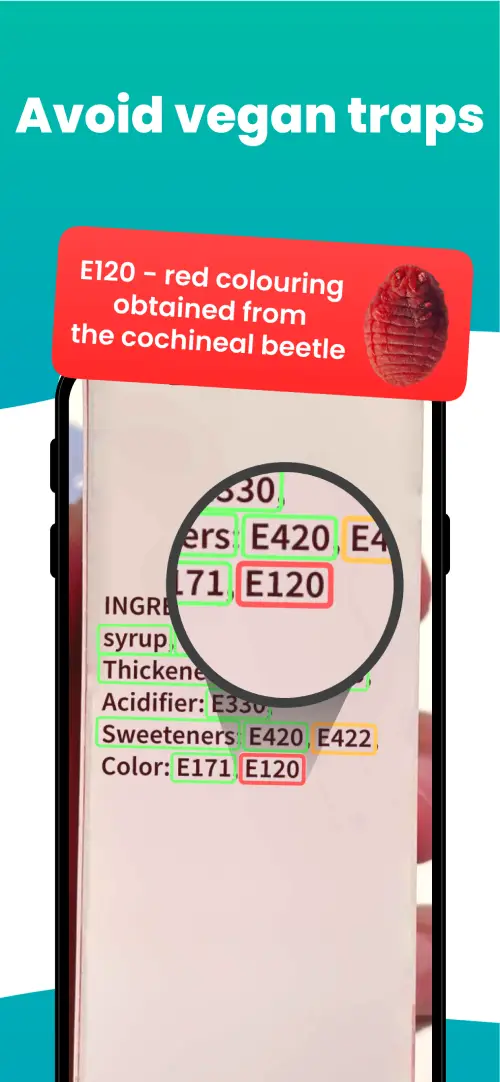
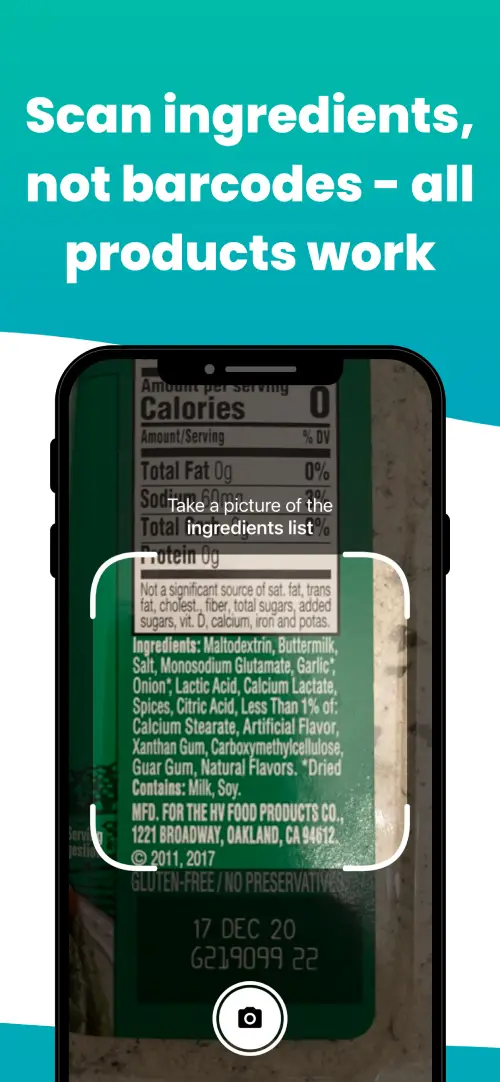
We've built a vegan ingredients scanner that classifies food ingredients as "vegan", "non-vegan", or "potentially vegan".
It allows you to avoid non-vegan ingredients - just take a picture of a product's ingredient list, and the app tells you if the product is vegan or not.



Check out other ingredients:
Is guanine vegan?Is uric acid vegan?Is triacetin vegan?Is magnesium tallowate vegan?Is saccharum vegan?Is sorbitan beeswax vegan?Is estrogen vegan?Is oestrogen vegan?Is menhaden oil vegan?Is confectioner's glaze vegan?Is estradiol benzoate vegan?Is confectioners' glaze vegan?
We'll never send you spam.