
Is spinach rotini pasta vegan?
Spinach rotini pasta is a vegan food ingredient.
Checking out an ingredients list? 👇
"You are amazing, this has saved me so much time when grocery shopping!"
— Austin, a user who reached out with feedback
"It's been a great tool since starting my journey! You take a pic of the nutrition/ingredients, and it'll warn you of anything questionable or not vegan. 😁"
— Ashe, a Vegan For Beginners Facebook Group member
"Use a vegan app when you go shopping, I use WhatsVegan."
— Dóra, a Vegan For Beginners Facebook Group member
So, what is spinach rotini pasta?
Understanding the Plant-Based Integrity of Spinach Rotini Pasta
The vibrant green swirls of spinach rotini pasta often catch the eye, promising a touch of vegetable goodness in a familiar comfort food. For those committed to a vegan lifestyle, understanding the inherent plant-based integrity of such an ingredient is paramount, extending beyond initial appearance to encompass the deepest layers of sourcing and processing.
At its core, traditional dry pasta, including rotini, is a marvel of simplicity: durum wheat semolina and water. This fundamental composition is inherently plant-based, requiring no animal-derived components for its structure or cohesion. The characteristic spiral shape of rotini, designed to capture and hold sauces beautifully, is formed through extrusion, a purely mechanical process.
Where does the spinach come in? Typically, dehydrated spinach powder or finely pureed spinach is incorporated directly into the semolina and water dough before extrusion. This addition imparts the distinct color and a subtle earthy note, without introducing any animal products. Therefore, the core ingredients of spinach rotini pasta – wheat, water, and spinach – are unequivocally from plant sources, aligning perfectly with animal ethics and the pursuit of a cruelty-free diet.
This makes spinach rotini a common and dependable plant-based alternative to egg pastas, which are prevalent in fresh pasta varieties and some specialty dry options. While traditional Italian pasta often embraces this minimalist, vegan-by-default composition, the presence of egg in other formats means that for conscientious consumers, a quick label scan is always prudent.
Beyond the primary ingredients, the discerning vegan consumer often looks to "processing aids" and the broader supply chain. For dry pasta, the risk of hidden animal-derived processing aids is significantly lower compared to products like bread (where L-cysteine from duck feathers might be used) or sugars (which can be processed with bone char). Pasta production is generally straightforward, relying on mechanical forces and precise drying techniques rather than complex chemical aids. However, advocating for clear "label transparency" remains essential. Should any non-vegan lubricants or release agents be used in machinery, while unlikely to be directly incorporated into the product itself, brands dedicated to vegan certification often address these concerns directly. For most commercially available spinach rotini, the ethical footprint is remarkably clean.
The journey of spinach rotini, from durum wheat fields to the dehydrating of nutrient-rich spinach leaves, represents a clear path of plant-based purity. It offers a versatile, texturally engaging foundation for countless vegan dishes, absorbing robust tomato sauces, creamy cashew-based pestos, or light lemon-herb dressings with equal ease. Its status as a reliable plant-based staple underscores how accessible and delicious a truly cruelty-free diet can be, built on simple, wholesome ingredients.
How to quickly find the source of ingredients like spinach rotini pasta?
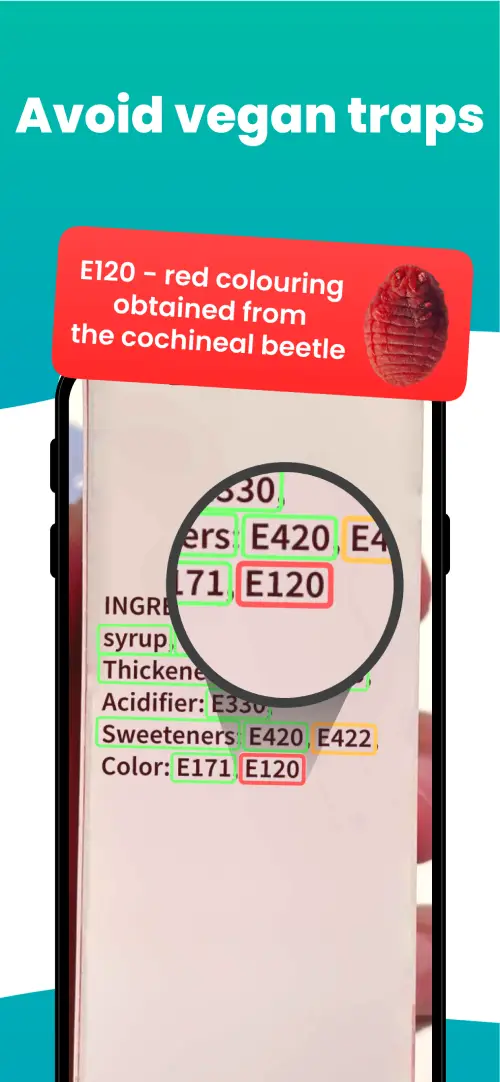
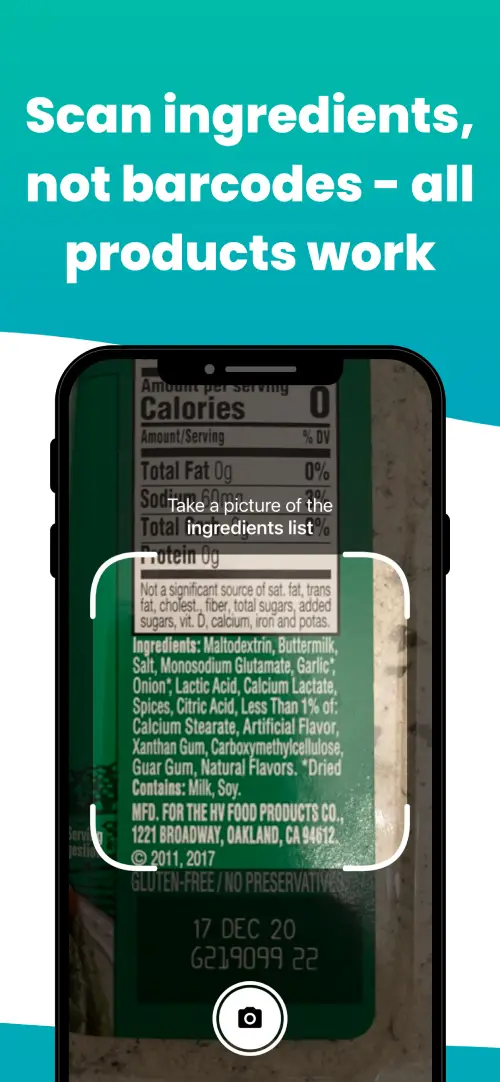
We've built a vegan ingredients scanner that classifies food ingredients as "vegan", "non-vegan", or "potentially vegan".
It allows you to avoid non-vegan ingredients - just take a picture of a product's ingredient list, and the app tells you if the product is vegan or not.



Check out other ingredients:
Is chicle vegan?Is chicle base vegan?Is natural chicle base vegan?Are jojoba esters vegan?Is enriched cake flour vegan?Is arnica montana flower extract vegan?Is arnica montana flower vegan?Are wheat ingredients vegan?Are vine-ripened crushed tomatoes vegan?Is jasminum officinale (jasmine) flower extract vegan?Is unbleached wheat flour vegan?Is citrus aurantium dulcis (orange) flower extract vegan?
We'll never send you spam.