
Is ultramarine blue vegan?
Ultramarine blue is a vegan food ingredient.
Checking out an ingredients list? 👇
"You are amazing, this has saved me so much time when grocery shopping!"
— Austin, a user who reached out with feedback
"It's been a great tool since starting my journey! You take a pic of the nutrition/ingredients, and it'll warn you of anything questionable or not vegan. 😁"
— Ashe, a Vegan For Beginners Facebook Group member
"Use a vegan app when you go shopping, I use WhatsVegan."
— Dóra, a Vegan For Beginners Facebook Group member
So, what is ultramarine blue?
Ultramarine Blue: Purity, Pigment, and its Place in Vegan Formulations
Ultramarine blue, a vivid and intensely colored pigment, holds a fascinating position in the world of ingredients, particularly for those committed to a vegan lifestyle. Its deep, rich hue, often associated with the grandeur of historical art and modern product design, is a testament to its unique chemical composition and entirely mineral origin. From an animal ethics perspective, ultramarine blue offers a clear and reassuring status: it is unequivocally vegan.
Historically, the magnificent blue pigment known as natural ultramarine was derived from the semi-precious lapis lazuli stone, a complex mineral silicate. While this natural source was indeed vegan, its rarity and expense limited widespread use. The advent of synthetic ultramarine blue in the 19th century revolutionized its availability and significantly reduced its cost, making this stunning color accessible across numerous industries, including food, cosmetics, and paints.
The "why" behind ultramarine blue's vegan status lies in its synthetic manufacturing process. Modern ultramarine blue is an inorganic pigment, chemically defined as a complex sodium polysulfide of aluminosilicate. Its synthesis involves heating a precise mixture of kaolin (a clay mineral), sodium carbonate (soda ash), sulfur, and a carbonaceous reducing agent at high temperatures. All of these primary raw materials are mined minerals or synthetically produced compounds, entirely devoid of any animal components or byproducts. No animal-derived fats, oils, or processing aids are necessary for its creation, ensuring its intrinsic purity from an ethical standpoint.
This makes ultramarine blue a reliably cruelty-free ingredient. Unlike some colorants that might have obscure animal origins or complex supply chains involving animal derivatives, ultramarine blue presents a straightforward profile. For consumers dedicated to avoiding all forms of animal exploitation, its mineral foundation provides peace of mind. While it isn't a "plant-based alternative" in the sense of being derived from botanical sources, it serves as a non-animal alternative to potentially questionable dyes.
In the food industry, where approved, ultramarine blue is primarily used for external decoration of confectionery, frostings, and certain coatings, imparting a stable and vibrant blue without imparting flavor. Its safety profile, when used within regulatory limits, is well-established. For the vegan food scientist, understanding the origin of every ingredient is paramount. With ultramarine blue, there are no "gray areas" to contend with, such as the risk of bone char being used in processing (a common concern with some sugars) or insect-derived components (like cochineal or shellac). This level of clarity supports honest "label transparency" and allows brands to confidently declare products containing ultramarine blue as suitable for vegans.
Furthermore, responsible manufacturers who prioritize animal ethics extend their scrutiny beyond just the raw material. They ensure that during the compounding and packaging phases, no non-vegan processing aids are introduced, and no cross-contamination occurs with animal-derived ingredients. This holistic commitment is what truly defines a cruelty-free product. Ultramarine blue, by its very nature, provides a strong foundation for such claims, standing as a testament to how science and ethics can converge to deliver beautiful, functional, and ethically sound ingredients.
How to quickly find the source of ingredients like ultramarine blue?
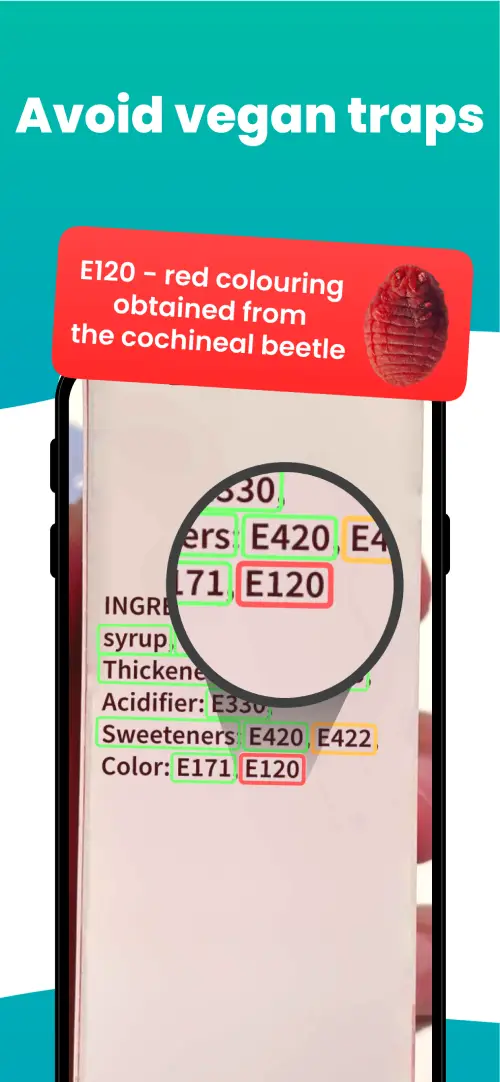
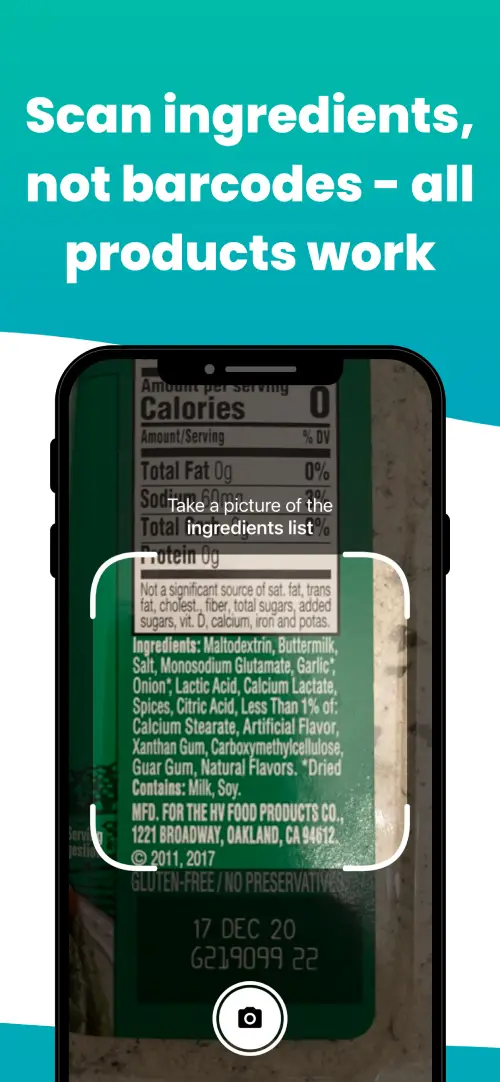
We've built a vegan ingredients scanner that classifies food ingredients as "vegan", "non-vegan", or "potentially vegan".
It allows you to avoid non-vegan ingredients - just take a picture of a product's ingredient list, and the app tells you if the product is vegan or not.



We'll never send you spam.