
Is yolk vegan?
Yolk is a non-vegan food ingredient.
Checking out an ingredients list? 👇
"You are amazing, this has saved me so much time when grocery shopping!"
— Austin, a user who reached out with feedback
"It's been a great tool since starting my journey! You take a pic of the nutrition/ingredients, and it'll warn you of anything questionable or not vegan. 😁"
— Ashe, a Vegan For Beginners Facebook Group member
"Use a vegan app when you go shopping, I use WhatsVegan."
— Dóra, a Vegan For Beginners Facebook Group member
So, what is yolk?
Understanding Yolk: A Core Ingredient from Animal Agriculture
The ingredient known simply as "yolk" refers specifically to the yellow, central part of an egg. Predominantly, when encountered in food products or recipes, this signifies the yolk derived from chicken eggs. From a vegan perspective, there is no ambiguity: yolk is unequivocally not vegan. Its origin inherently involves the exploitation and use of an animal, which directly contradicts the foundational principles of veganism focused on animal ethics and purity.
The Origin and Ethical Implications
Yolk is an integral component of a chicken egg, representing the primary nutrient source for a developing embryo. The commercial production of eggs, whether for whole eggs or their separated components like yolk, necessitates the intensive farming of chickens. This industry, even in its most "humane" iterations, involves confining sentient beings, manipulating their reproductive cycles, and ultimately, taking their bodily outputs for human consumption. For vegans, this constitutes an unacceptable form of animal agriculture, directly linked to practices that prioritize profit over animal welfare and autonomy. The very act of consuming a chicken's yolk contributes to a system from which animals cannot voluntarily opt out.
Why Yolk Is Excluded: A Matter of Principle and Purity
The ethical framework of veganism extends beyond avoiding meat to encompass all animal by-products, including dairy, honey, and eggs. Yolk falls squarely into this category. It is not merely about avoiding suffering, but about rejecting the commodification of living beings. The "why" behind excluding yolk is a deeply held conviction that animals are not resources for human use.
Beyond ethics, many vegans adhere to a principle of purity, seeking to nourish their bodies with ingredients sourced entirely from the plant kingdom. Yolk, being an animal secretion, stands in direct opposition to this ideal. The desire for label transparency becomes paramount for individuals committed to a cruelty-free lifestyle, ensuring no hidden animal derivatives find their way into their food.
Functional Attributes and Plant-Based Innovations
In culinary applications, yolk is prized for its emulsifying properties (due to lecithin), its ability to add richness and color, and its binding capacity. These functionalities are precisely what plant-based food scientists and home cooks aim to replicate when formulating vegan alternatives.
To achieve similar textural and structural roles, a variety of plant-based ingredients can be employed. For emulsification, lecithin derived from soy or sunflower is a common and highly effective vegan solution. For binding, starches, flaxseed meal (often referred to as "flax egg" when mixed with water), or chia seeds provide excellent alternatives. The vibrant yellow hue of yolk can be effortlessly recreated using natural colorants like turmeric, while a rich mouthfeel can be developed with creamy ingredients such as silken tofu, cashews, or even avocado. For specific savory or sulfurous notes often associated with cooked egg yolk, kala namak (black salt) is an indispensable ingredient in many vegan egg replacement formulas.
Commercial plant-based egg replacers, frequently formulated with combinations of starches, flours (like chickpea flour), and leavening agents, are readily available, providing convenience and reliable performance for dishes that traditionally relied on yolk's unique properties. These innovations underscore the fact that no animal product is truly indispensable in the culinary world.
In summary, while yolk holds a historical place in many culinary traditions, its animal origin firmly places it outside the realm of vegan-friendly ingredients. A commitment to animal ethics, purity, and a cruelty-free food system means seeking out the abundant and innovative plant-based alternatives that successfully mimic its functions without compromise.
How to quickly find the source of ingredients like yolk?
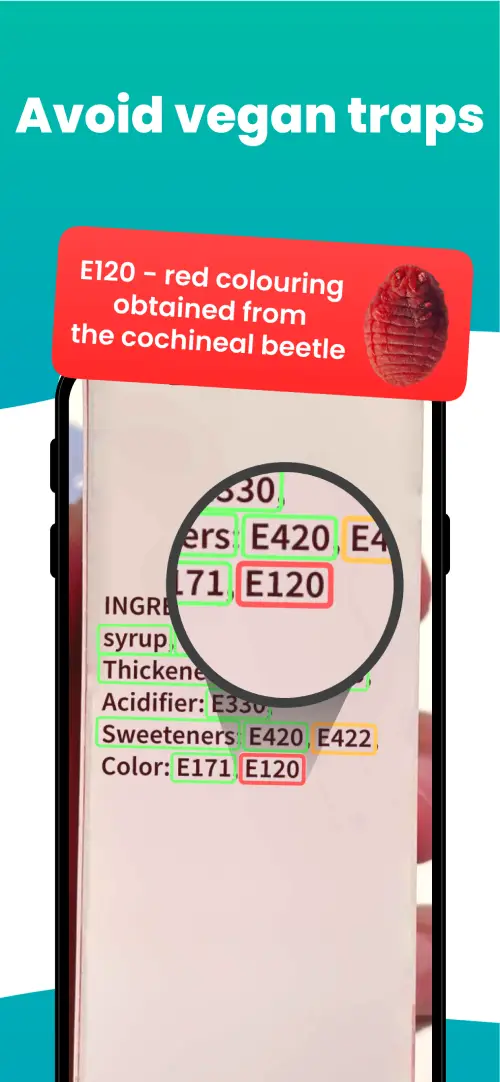
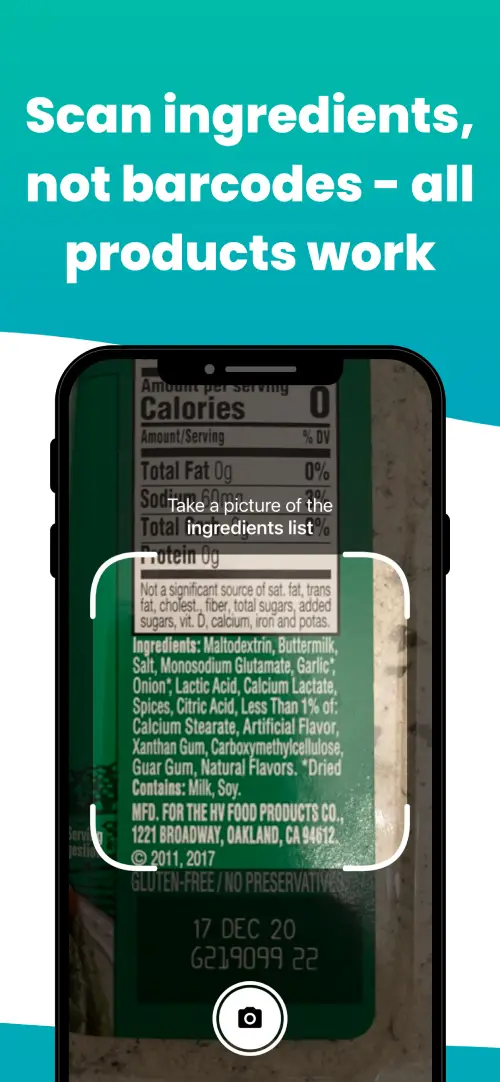
We've built a vegan ingredients scanner that classifies food ingredients as "vegan", "non-vegan", or "potentially vegan".
It allows you to avoid non-vegan ingredients - just take a picture of a product's ingredient list, and the app tells you if the product is vegan or not.



We'll never send you spam.