
Is seafood salad vegan?
Seafood salad is a non-vegan food ingredient.
Checking out an ingredients list? 👇
"You are amazing, this has saved me so much time when grocery shopping!"
— Austin, a user who reached out with feedback
"It's been a great tool since starting my journey! You take a pic of the nutrition/ingredients, and it'll warn you of anything questionable or not vegan. 😁"
— Ashe, a Vegan For Beginners Facebook Group member
"Use a vegan app when you go shopping, I use WhatsVegan."
— Dóra, a Vegan For Beginners Facebook Group member
So, what is seafood salad?
Understanding Seafood Salad: A Vegan Perspective
Seafood salad, a familiar item in many delis and grocery stores, presents a clear and undeniable divergence from vegan principles. From a perspective rooted in animal ethics and dietary purity, this dish unequivocally falls into the "Not Vegan" category. The fundamental reason is its composition: seafood salad is inherently made from the flesh of marine animals.
At its core, "seafood" refers to any form of sea life regarded as food by humans. This typically includes a variety of fish—such as cod, tuna, or pollock—and an array of shellfish like shrimp, crab, lobster, scallops, and squid. Each of these components represents a sentient being, harvested from its natural habitat, which directly contravenes the vegan commitment to avoid animal exploitation and consumption. The ethical imperative for vegans extends to all animal life, whether terrestrial or aquatic, recognizing their capacity for life and experience.
Scientifically, the proteins, fats, and micronutrients in seafood are derived directly from these animals. There are no plant-based analogues or "gray areas" in the primary ingredient itself. Beyond the marine animals, conventional seafood salads are often bound with mayonnaise, which is typically made with eggs—another animal product, further solidifying its non-vegan status. While a vegan mayonnaise alternative exists, its presence alone would not render a true "seafood" salad vegan, as the primary animal-derived component remains.
For those adhering to a cruelty-free lifestyle, consuming seafood salad is inconsistent with their values. The industrial fishing practices, whether trawling, dredging, or net fishing, often result in significant bycatch – the unintentional capture of non-target species, including marine mammals, birds, and other fish, which are frequently injured or killed and discarded. This environmental and ethical impact is a crucial consideration for individuals committed to minimizing harm.
Fortunately, the culinary landscape has evolved to offer compelling plant-based alternatives that capture the texture, flavor, and sensory experience of traditional seafood salad without any animal products. Innovators in vegan food science have masterfully utilized ingredients like hearts of palm, jackfruit, shredded seaweed, or specific plant-based proteins to create remarkably convincing "fysh" or "crab" analogues. These creations often incorporate a blend of spices and a touch of sea salt or seaweed to impart that characteristic oceanic essence, all bound by a plant-based mayonnaise.
When seeking truly vegan options, label transparency is paramount. Consumers must scrutinize ingredient lists carefully to ensure that terms like "krab," "shrimp substitute," or "fysh" are indeed derived from plants and not a blend containing actual seafood or animal byproducts. The absence of marine animal ingredients and egg-based binders is non-negotiable for a product to be considered genuinely vegan. The commitment to animal ethics and purity means choosing these innovative, cruelty-free plant-based options over anything containing the flesh of sea creatures.
How to quickly find the source of ingredients like seafood salad?
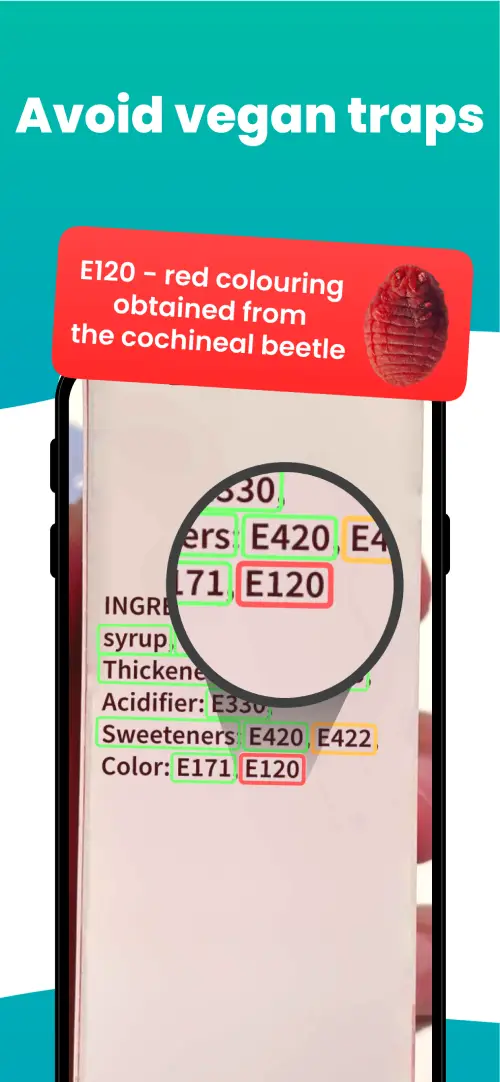
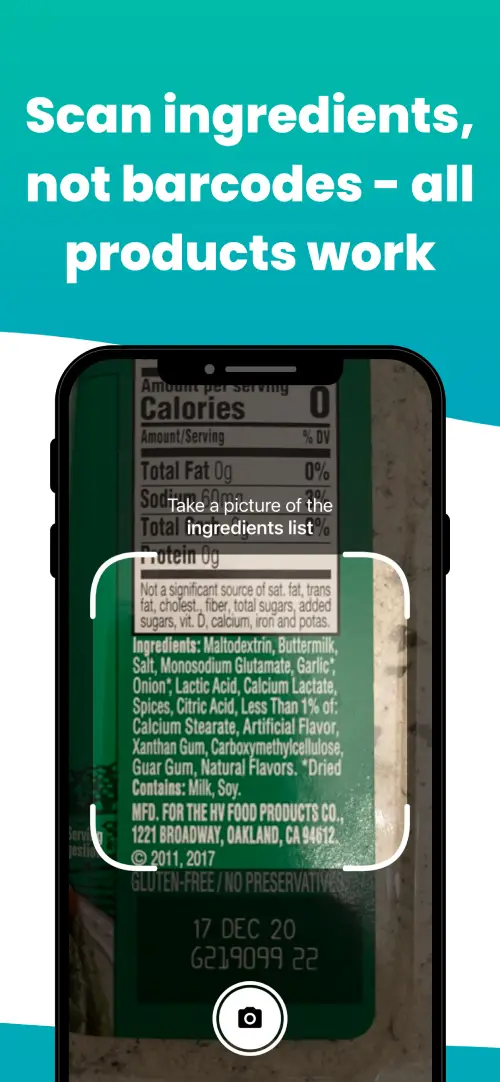
We've built a vegan ingredients scanner that classifies food ingredients as "vegan", "non-vegan", or "potentially vegan".
It allows you to avoid non-vegan ingredients - just take a picture of a product's ingredient list, and the app tells you if the product is vegan or not.



We'll never send you spam.