
Are black soy beans vegan?
Black soy beans is a vegan food ingredient.
Checking out an ingredients list? 👇
"You are amazing, this has saved me so much time when grocery shopping!"
— Austin, a user who reached out with feedback
"It's been a great tool since starting my journey! You take a pic of the nutrition/ingredients, and it'll warn you of anything questionable or not vegan. 😁"
— Ashe, a Vegan For Beginners Facebook Group member
"Use a vegan app when you go shopping, I use WhatsVegan."
— Dóra, a Vegan For Beginners Facebook Group member
So, what is black soy beans?
Within the vibrant world of legumes, black soybeans stand as a particularly remarkable ingredient, often distinguished by their deep, almost obsidian hue. These beans, a specific cultivar of Glycine max, are more than just a visually striking pulse; they are a nutritional cornerstone and an ethical choice for conscious consumers worldwide.
From an ethical standpoint, black soybeans are unequivocally vegan. As a direct product of the Glycine max plant, they inherently embody the principles of animal ethics, being entirely free from animal-derived components, byproducts, or any form of animal exploitation in their cultivation. Their journey from seed to edible bean involves natural growth cycles, photosynthesis, and harvest, making them a pure expression of plant-based sustenance. This direct botanical origin is why they are not merely "plant-based" but fundamentally cruelty-free by nature. They represent a fundamental choice in line with a commitment to non-harm.
Nutritionally, black soybeans are a powerhouse, boasting an impressive profile of complete protein, dietary fiber, and a rich array of micronutrients. Their dark skin is particularly high in anthocyanins, the same antioxidants found in blueberries and other dark fruits, contributing to their distinctive color and potential health benefits. When cooked, their texture is firm yet tender, offering a satisfying chew that distinguishes them from their lighter counterparts.
They are a particularly potent and widely utilized plant-based alternative, finding their way into countless culinary traditions and modern vegan innovations. Their versatility is immense: from forming the base of deeply flavored, traditional fermented products like black bean paste, miso, or even a unique tempeh, to being roasted into crunchy snacks, or simply cooked and incorporated into salads, stews, and grain bowls. For those seeking alternatives to common meat products, black soybeans contribute a robust structure and earthy flavor that can mimic heartier textures in dishes like vegan burgers or "meat" crumbles. Their role in creating nutrient-dense, satisfying vegan meals is well-established, offering a whole-food solution to protein needs.
For those committed to stringent cruelty-free standards, the primary concern typically shifts from the ingredient itself to its journey from farm to plate. Black soybeans, in their raw and unprocessed form, present no ethical quandaries. However, when purchasing processed black soy products—such as pre-made tofu, tempeh, or even roasted snacks—vigilance regarding processing aids and potential cross-contamination becomes paramount. While the vast majority of soy processing facilities adhere to plant-based practices, it is always prudent to practice label transparency. Ingredients lists should be checked for any unexpected animal-derived emulsifiers, stabilizers, or flavorings. Fortunately, for most basic black soybean products like dried or canned beans, the risk of non-vegan processing aids is extremely low, underscoring their inherent purity as a plant food.
In essence, black soybeans offer a compelling combination of ethical integrity, nutritional density, and culinary adaptability. They are a definitive vegan ingredient, embodying the core values of animal ethics while providing a versatile and robust component for a compassionate diet.
How to quickly find the source of ingredients like black soy beans?
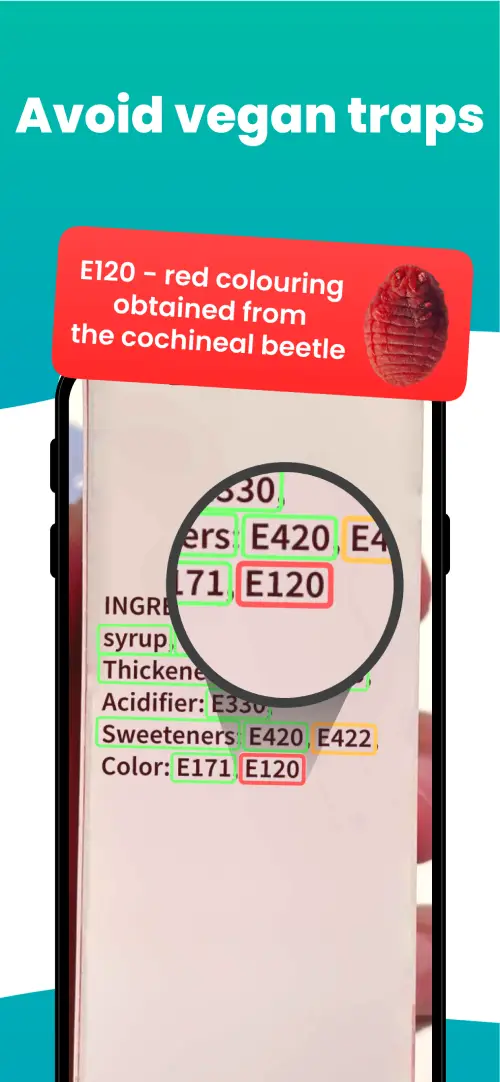
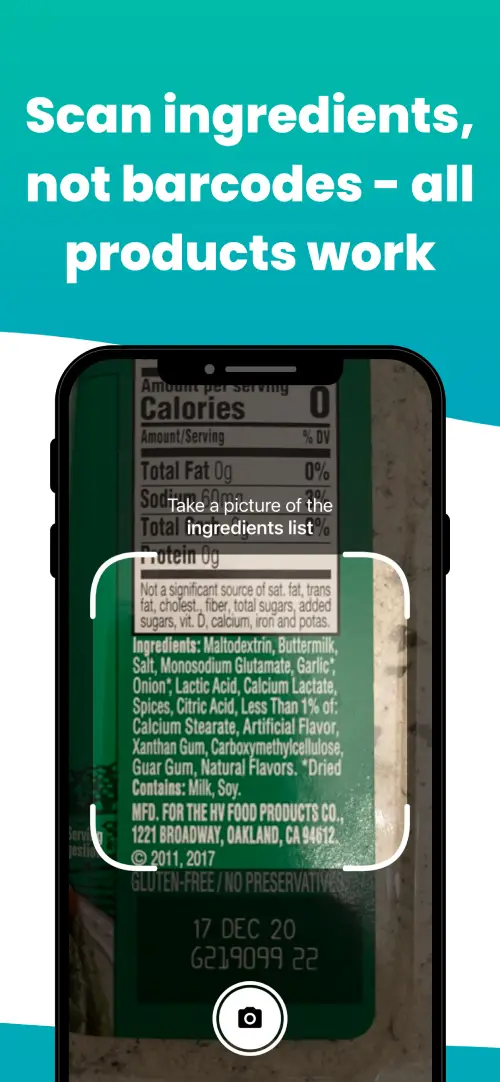
We've built a vegan ingredients scanner that classifies food ingredients as "vegan", "non-vegan", or "potentially vegan".
It allows you to avoid non-vegan ingredients - just take a picture of a product's ingredient list, and the app tells you if the product is vegan or not.



Check out other ingredients:
Is kombu seaweed vegan?Is sweet soy sauce vegan?Is ahnfeltiopsis concinna vegan?Is chamomilla recutita (matricaria) flower extract vegan?Are triticale flakes vegan?Are citrus aurantium dulcis vegan?Are thick flake oats vegan?Is citrus aurantium dulcis (orange) flower extract vegan?Is rye meal vegan?Is arnica montana flower vegan?Is arnica montana flower extract vegan?Are non-animal enzymes vegan?
We'll never send you spam.