
Is rye meal vegan?
Rye meal is a vegan food ingredient.
Checking out an ingredients list? 👇
"You are amazing, this has saved me so much time when grocery shopping!"
— Austin, a user who reached out with feedback
"It's been a great tool since starting my journey! You take a pic of the nutrition/ingredients, and it'll warn you of anything questionable or not vegan. 😁"
— Ashe, a Vegan For Beginners Facebook Group member
"Use a vegan app when you go shopping, I use WhatsVegan."
— Dóra, a Vegan For Beginners Facebook Group member
So, what is rye meal?
Rye meal, a venerable staple derived from the grinding of whole rye kernels, holds a distinguished position in the culinary landscape. It is not merely a flour but a direct expression of the rye grain itself, retaining the endosperm, germ, and bran. This comprehensive milling process yields a coarser texture than refined rye flour, contributing a distinctive character to baked goods and other preparations.
From an ethical and scientific standpoint, rye meal is unequivocally Vegan. Its lineage traces directly and exclusively to the rye plant (Secale cereale), a member of the grass family. The entire lifecycle of rye, from seed to mature grain, involves no animal input, byproducts, or exploitation. Cultivation practices typically involve conventional agricultural methods focused on soil health and crop yield, without reliance on animal-derived fertilizers or pesticides that could compromise its plant-based purity.
The processing of rye into rye meal is equally straightforward and clean. It involves only mechanical grinding of the dried kernels. Unlike some food ingredients that might require animal-derived processing aids (such as bone char for sugar refining or gelatin for clarification), rye meal is inherently free from such concerns. There are no animal fats, dairy derivatives, or insect-derived substances used as binders, carriers, or milling aids during its production. This makes rye meal a fundamentally cruelty-free ingredient, aligning seamlessly with the principles of a plant-based diet and a compassionate lifestyle.
Rye meal stands out as an excellent plant-based alternative for those seeking robust flavors and enhanced nutritional profiles in their cooking and baking. It's rich in dietary fiber, contributing to digestive health, and provides a complex array of B vitamins and minerals. Its distinctive, slightly sour, earthy taste and dense texture make it a cornerstone in traditional European breads and a highly valued component in modern plant-based recipes, offering a welcome departure from more neutral grains.
For the ethically conscious consumer, choosing rye meal is a simple decision. Its singular origin from the plant kingdom means there are no "gray areas" or hidden complexities to navigate concerning animal products. While one might occasionally encounter questions about cross-contamination in facilities that also process non-vegan ingredients, reputable suppliers of single-ingredient flours like rye meal generally adhere to stringent cleaning protocols. For the strictest interpretation of animal ethics, seeking out brands committed to clear label transparency and dedicated vegan production lines offers further assurance. However, for rye meal itself, the integrity of its source remains unblemished. Its pure, plant-based nature solidifies its role as a fundamental and unimpeachable ingredient for anyone committed to a vegan diet.
How to quickly find the source of ingredients like rye meal?
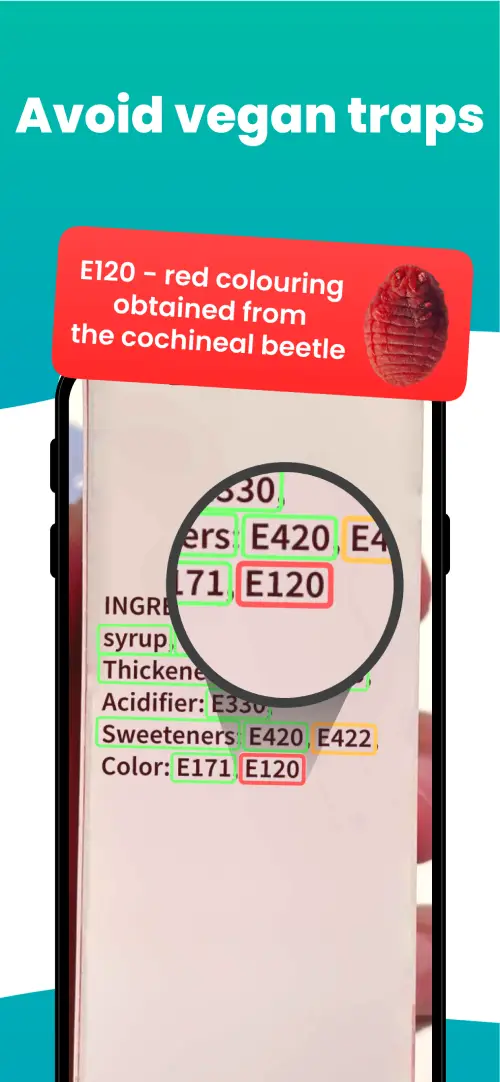
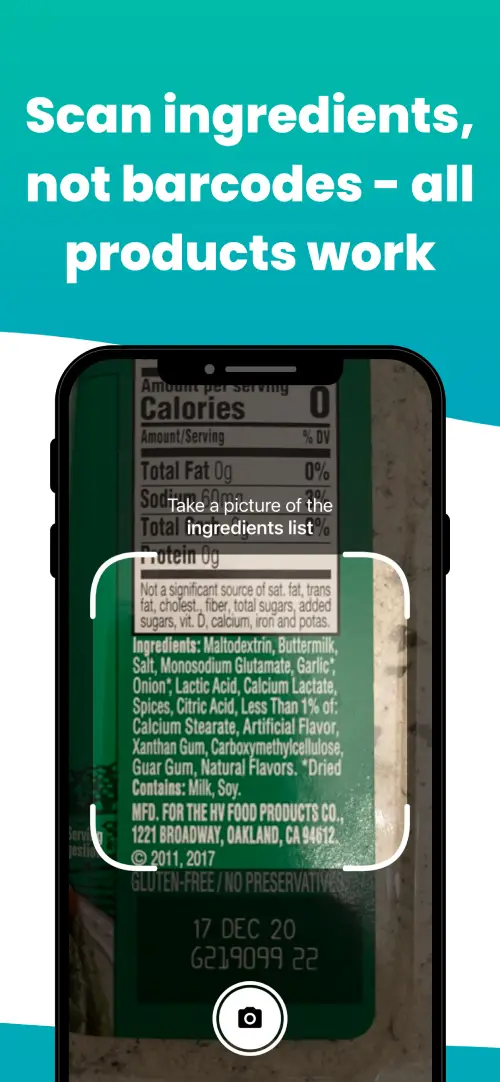
We've built a vegan ingredients scanner that classifies food ingredients as "vegan", "non-vegan", or "potentially vegan".
It allows you to avoid non-vegan ingredients - just take a picture of a product's ingredient list, and the app tells you if the product is vegan or not.



Check out other ingredients:
Are thick flake oats vegan?Is smoked dextrose vegan?Are barley grits vegan?Are non-animal enzymes vegan?Are black soy beans vegan?Are com syrup solids vegan?Is kombu seaweed vegan?Is com syrup vegan?Is ahnfeltiopsis concinna vegan?Is coconut base vegan?Are citrus aurantium dulcis vegan?Is enriched unbleached flour vegan?
We'll never send you spam.