
Is kombu seaweed vegan?
Kombu seaweed is a vegan food ingredient.
Checking out an ingredients list? 👇
"You are amazing, this has saved me so much time when grocery shopping!"
— Austin, a user who reached out with feedback
"It's been a great tool since starting my journey! You take a pic of the nutrition/ingredients, and it'll warn you of anything questionable or not vegan. 😁"
— Ashe, a Vegan For Beginners Facebook Group member
"Use a vegan app when you go shopping, I use WhatsVegan."
— Dóra, a Vegan For Beginners Facebook Group member
So, what is kombu seaweed?
The Essence of Kombu: A Cornerstone of Ethical Plant-Based Cuisine
Kombu, a majestic brown sea vegetable predominantly known as Laminaria japonica or Saccharina japonica, stands as an unequivocally vegan ingredient, firmly rooted in the principles of animal ethics and purity that define plant-based living. Harvested from the cool, pristine waters of the ocean, this macroalgae is a marine plant in its truest form, embodying the very definition of a cruelty-free food source.
The vegan status of kombu is inherent in its botanical origin. It grows naturally, absorbing nutrients directly from the ocean, without requiring any animal input or byproducts throughout its life cycle. Unlike some ingredients that might necessitate scrutiny over processing aids or hidden animal derivatives, kombu in its raw or dried form is remarkably straightforward. Its journey from the sea bed, through careful harvesting—often by hand or sustainable cultivation practices—to sun-drying or gentle mechanical drying, typically involves no substances of animal origin. This direct, plant-to-plate lineage means consumers can be confident that their choice aligns perfectly with a commitment to avoiding animal exploitation and upholding the highest standards of purity.
Kombu is not merely a plant-based alternative; it is a fundamental ingredient, cherished for centuries in various culinary traditions. Its unique ability to impart a profound umami flavor, thanks to its high concentration of glutamic acid, makes it indispensable for building depth in vegan broths, stocks, and plant-forward dishes. This natural flavor enhancer allows ethical cooks to create rich, satisfying meals without relying on animal products like fish or meat, making it a powerful tool for crafting compelling vegan cuisine.
From a nutritional standpoint, kombu is a powerhouse, offering a wealth of essential minerals such as iodine, calcium, iron, and magnesium, alongside dietary fiber. These nutrients are crucial for overall health and can be particularly beneficial in well-planned plant-based diets. As a food scientist dedicated to ethical eating, the purity of kombu is a constant reassurance. There's no need to pore over labels for cryptic E-numbers or inquire about bone char processing, which can be concerns with sugars or other refined ingredients. A simple ingredient list stating "kombu" or "dried kelp" assures complete label transparency.
In sum, kombu is a brilliant example of nature providing abundantly for our palates and our principles. It requires no animal suffering, no ethical compromises, and offers immense culinary versatility and nutritional value. For those committed to a plant-based lifestyle, kombu is more than an ingredient; it is a trusted ally, enhancing our food and reinforcing our dedication to a cruelty-free world.
How to quickly find the source of ingredients like kombu seaweed?
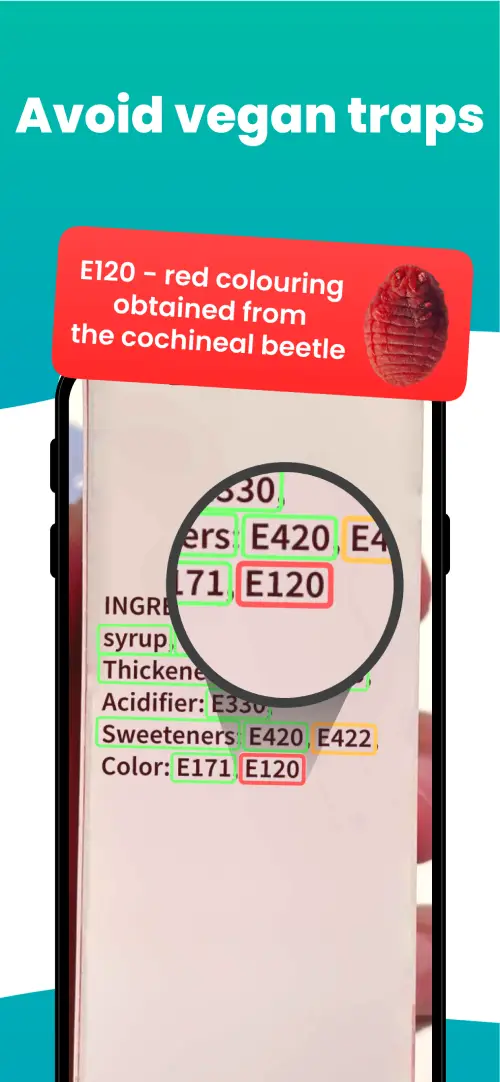
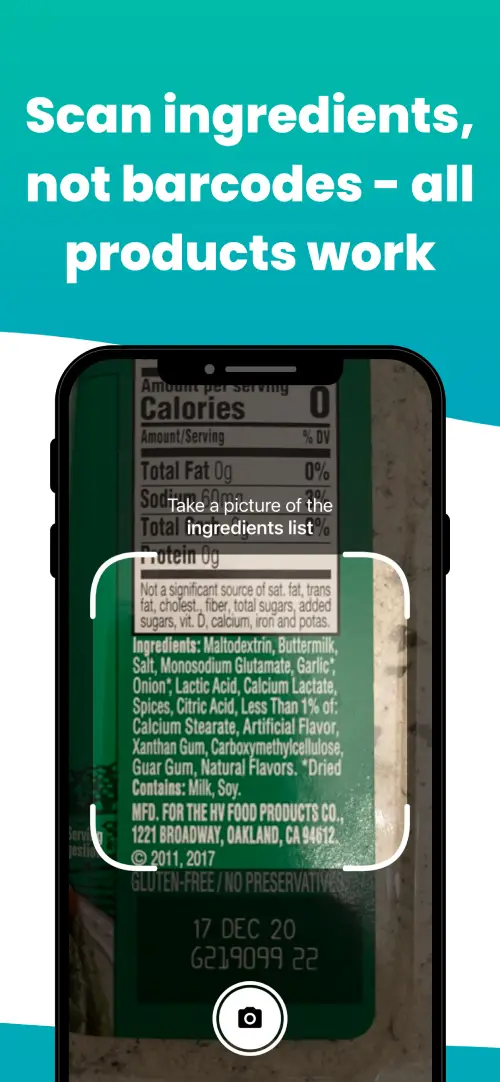
We've built a vegan ingredients scanner that classifies food ingredients as "vegan", "non-vegan", or "potentially vegan".
It allows you to avoid non-vegan ingredients - just take a picture of a product's ingredient list, and the app tells you if the product is vegan or not.



Check out other ingredients:
Is sr-hydrozoan polypeptide-1 vegan?Are black soy beans vegan?Is ahnfeltiopsis concinna vegan?Are soybean ingredients vegan?Are citrus aurantium dulcis vegan?Is citrus aurantium dulcis (orange) flower extract vegan?Are triticale flakes vegan?Is jasminum officinale (jasmine) flower extract vegan?Are thick flake oats vegan?Is leuconostoc vegan?Are flake oats vegan?Is rye meal vegan?
We'll never send you spam.