
Are oat syrup solids vegan?
Oat syrup solids is a vegan food ingredient.
Checking out an ingredients list? 👇
"You are amazing, this has saved me so much time when grocery shopping!"
— Austin, a user who reached out with feedback
"It's been a great tool since starting my journey! You take a pic of the nutrition/ingredients, and it'll warn you of anything questionable or not vegan. 😁"
— Ashe, a Vegan For Beginners Facebook Group member
"Use a vegan app when you go shopping, I use WhatsVegan."
— Dóra, a Vegan For Beginners Facebook Group member
So, what is oat syrup solids?
Oat Syrup Solids: Unpacking a Versatile Vegan Staple
Oat syrup solids represent a vital ingredient in the expanding landscape of plant-based foods, distinguished by their inherent vegan nature and multifaceted utility. Derived entirely from oats, this ingredient offers a functional sweetener and texturizer that aligns seamlessly with ethical and dietary commitments. For those seeking clarity on ingredient sourcing and its implications for animal welfare, oat syrup solids stand as an unequivocally cruelty-free choice, providing assurance from its very origin.
At its core, oat syrup solids are produced through the enzymatic hydrolysis of oats, a process that breaks down complex oat starches into simpler sugars. The resulting liquid syrup is then carefully dried to create a powder or granular form, ranging in appearance from a fine, pale cream powder to small, irregular flakes, easily dissolving into various formulations. This transformation retains the inherent goodness of the oat while concentrating its sweetening and functional properties, making it an excellent binding agent, humectant, and flavor enhancer.
The definitive vegan status of oat syrup solids stems directly from its exclusive botanical origin. Unlike some other sweeteners, such as certain cane sugars that may involve bone char in their refining process to achieve a whiter appearance, oat syrup solids bypass any such animal-derived processing aids. The enzymes typically utilized in its production are microbial, ensuring no animal components are introduced at any stage of conversion. This meticulous plant-to-powder pathway ensures a product free from animal exploitation, affirming its position as a reliable and ethically sound ingredient for all plant-based alternatives and vegan formulations. This commitment to purity from source to finished ingredient makes it a cornerstone for truly cruelty-free product development.
As consumers increasingly demand transparent and ethical ingredients, oat syrup solids have become a preferred choice for manufacturers. Its mild, slightly nutty flavor profile enhances a wide array of products, from dairy-free yogurts and ice creams to baked goods, granola bars, and protein powders. It contributes to desirable texture and mouthfeel, providing body and chewiness without the need for animal-derived thickeners or binders. This ingredient exemplifies how functional attributes can be achieved with integrity, fostering trust through label transparency and meeting the growing demand for genuinely vegan options.
While oat syrup solids are inherently vegan, the broader context of ingredient sourcing always warrants a brief mention of manufacturing practices. Reputable suppliers are keenly aware of the need to prevent cross-contamination in facilities that may also handle non-vegan ingredients. However, this is an issue of facility hygiene, not an inherent quality of the oat syrup solids themselves. The ingredient remains a prime example of a pure plant-based alternative that does not require scrutinizing complex supply chains for hidden animal inputs. Its clarity simplifies the ingredient selection process for brands committed to offering true cruelty-free products.
In summary, oat syrup solids represent more than just a functional ingredient; they embody a commitment to ethical sourcing and provide a versatile, reliable component for the vegan food industry. Their origin exclusively from oats, coupled with processing methods free from animal derivatives, firmly establishes them as a vital vegan staple. For formulators and consumers alike, understanding this ingredient confirms its place as an uncompromised, pure, and effective plant-based solution.
How to quickly find the source of ingredients like oat syrup solids?
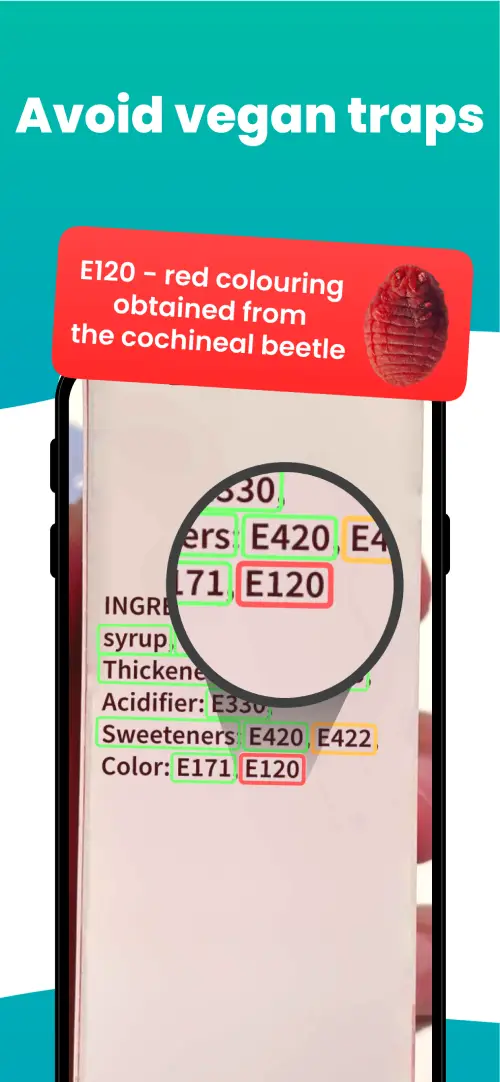
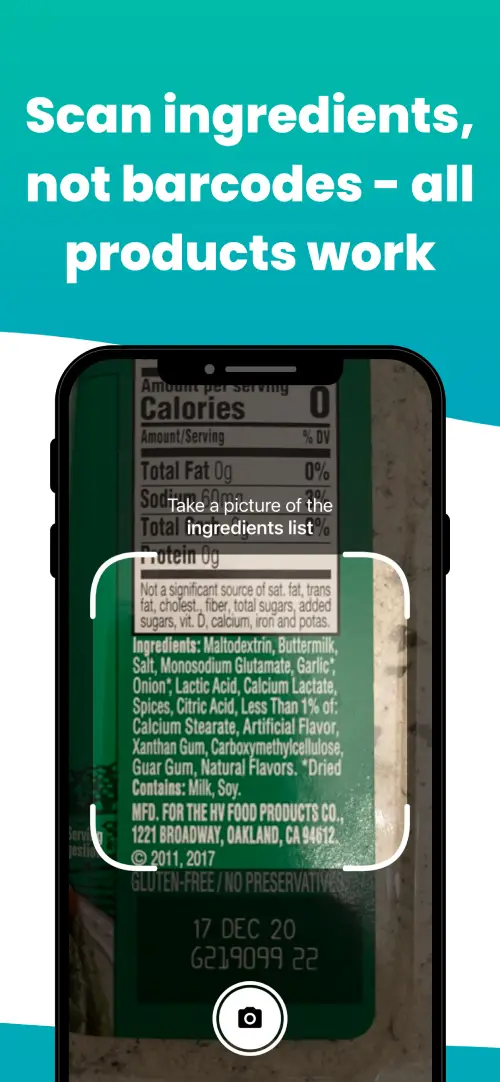
We've built a vegan ingredients scanner that classifies food ingredients as "vegan", "non-vegan", or "potentially vegan".
It allows you to avoid non-vegan ingredients - just take a picture of a product's ingredient list, and the app tells you if the product is vegan or not.



Check out other ingredients:
Is extractive of tomato vegan?Is whole wheat meal vegan?Is paprika color vegan?Are prepared white beans vegan?Are red ripe tomatoes vegan?Is sodium acid sulfate vegan?Are yellow peas vegan?Is sodium hydrogen sulfate vegan?Is sodium hydrosulfate vegan?Is creatyl-l-leucine vegan?Is sodium pyrosulfate vegan?Is tumeric vegan?
We'll never send you spam.