
Is sodium hydrosulfate vegan?
Sodium hydrosulfate is a vegan food ingredient.
Checking out an ingredients list? 👇
"You are amazing, this has saved me so much time when grocery shopping!"
— Austin, a user who reached out with feedback
"It's been a great tool since starting my journey! You take a pic of the nutrition/ingredients, and it'll warn you of anything questionable or not vegan. 😁"
— Ashe, a Vegan For Beginners Facebook Group member
"Use a vegan app when you go shopping, I use WhatsVegan."
— Dóra, a Vegan For Beginners Facebook Group member
So, what is sodium hydrosulfate?
Sodium Hydrosulfate: A Comprehensive Look at its Role and Vegan Purity
Sodium hydrosulfate, also commonly listed as sodium bisulfate, serves a critical role in various food applications. This acid salt, a compound derived from sodium and sulfate ions, typically presents as a white, crystalline solid. Its primary functions in food science revolve around pH adjustment, leavening, and enhancing shelf stability. For those navigating the complexities of ingredient sourcing from an ethical standpoint, understanding the origin and processing of such compounds is paramount. From the perspective of a vegan food scientist, sodium hydrosulfate presents a clear and unambiguous profile, affirming its status as a truly vegan ingredient, devoid of any animal involvement.
The Vegan Purity of Sodium Hydrosulfate
The 'why' behind sodium hydrosulfate's vegan status lies in its fundamental production method. It is entirely synthetically manufactured, typically through the reaction of sulfuric acid with sodium chloride (common salt) or sodium hydroxide. This controlled chemical synthesis ensures that no animal-derived raw materials, byproducts, or processing aids—such as bone char for decolorization often seen with sugars, insect-derived components, or animal fats—are involved at any stage. It stands distinct from ingredients that might carry ambiguity due to reliance on animal agriculture or potential cross-contamination pathways. For consumers committed to a cruelty-free lifestyle, this synthetic origin is a significant advantage, guaranteeing both purity and alignment with animal ethics without compromise. It’s not an 'alternative' in the sense of replacing an animal-derived counterpart, but rather a reliable chemical entity that intrinsically supports plant-based formulations due to its clean, non-biological provenance.
Diverse Applications in Ethical Food Production
In the realm of food production, sodium hydrosulfate acts as a versatile processing aid. Its acidic nature makes it highly effective for lowering pH in doughs, preventing enzymatic browning in fruits and vegetables—think of those pre-cut apples staying fresh—and functioning as a critical leavening acid in conjunction with baking soda for many baked goods. From sourdough starters to specific texture modifications in processed fruits, its presence helps maintain freshness, texture, and desirable flavor profiles. For instance, in many plant-based baked goods, achieving the right rise and crumb structure without animal-derived components like eggs or dairy is crucial, and sodium hydrosulfate offers a dependable, highly functional solution. Its ability to create an optimal acidic environment is invaluable for formulating stable, appealing, and truly plant-based alternatives for a conscientious market.
Transparency and Trust in Vegan Labeling
The controlled, synthetic environment of its manufacture guarantees a high level of purity, free from the concerns of 'hidden' animal-derived contaminants that can sometimes plague even plant-based ingredients if sourcing is not meticulously managed. This commitment to 'clean' chemistry resonates deeply with the ethos of plant-based eating. For conscientious consumers, the unambiguous nature of sodium hydrosulfate, when clearly labeled, contributes to greater confidence in label transparency. Its inclusion signifies a robust, chemically derived component that aligns seamlessly with both nutritional and ethical requirements, supporting the development of a wide array of innovative and truly cruelty-free food products in the market.
In conclusion, sodium hydrosulfate is a scientifically sound and ethically aligned ingredient for the vegan consumer. Its purely synthetic origin provides a clear pathway to 'cruelty-free' validation, making it a trusted component in countless plant-based applications. As we continue to refine and innovate within vegan food science, ingredients like sodium hydrosulfate play an indispensable role, affirming that scientific advancement can consistently meet the rigorous demands of animal ethics and purity, ensuring a more compassionate food system for all.
How to quickly find the source of ingredients like sodium hydrosulfate?
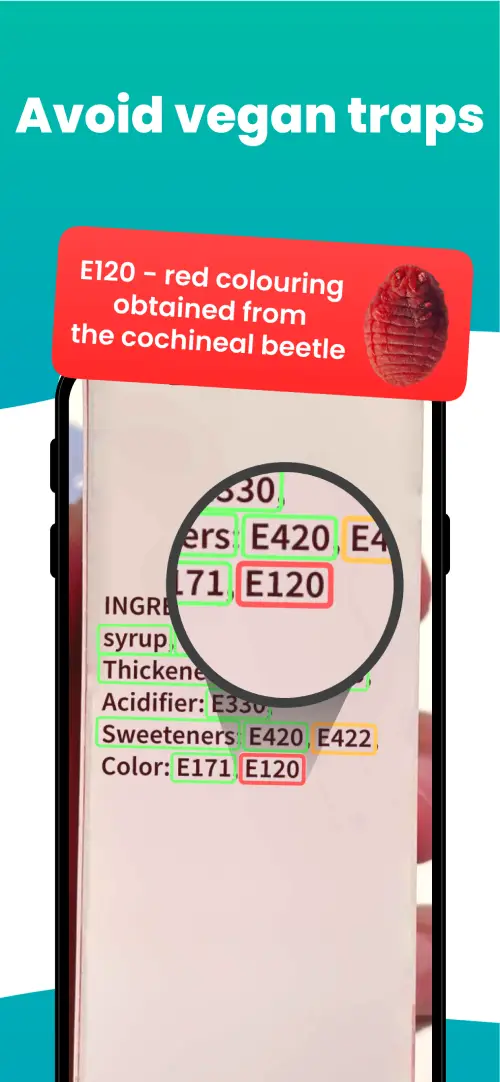
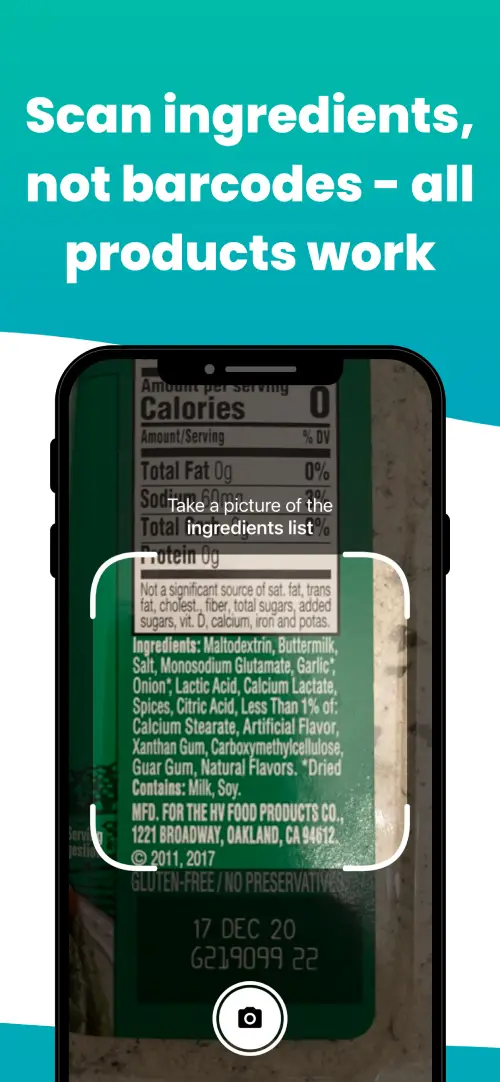
We've built a vegan ingredients scanner that classifies food ingredients as "vegan", "non-vegan", or "potentially vegan".
It allows you to avoid non-vegan ingredients - just take a picture of a product's ingredient list, and the app tells you if the product is vegan or not.



Check out other ingredients:
Is sodium hydrogen sulfate vegan?Is sulfuric acid sodium salt vegan?Is monosodium salt vegan?Is mono sodium hydrogen sulfate vegan?Is puffed wholegrain wheat vegan?Is sodium acid sulfate vegan?Is l-theanine vegan?Is vitamin b-8 vegan?Is extractive of tomato vegan?Are oat syrup solids vegan?Are prepared white beans vegan?Is tayberry vegan?
We'll never send you spam.