
Is (shea) butter vegan?
(shea) butter is a vegan food ingredient.
Checking out an ingredients list? 👇
"You are amazing, this has saved me so much time when grocery shopping!"
— Austin, a user who reached out with feedback
"It's been a great tool since starting my journey! You take a pic of the nutrition/ingredients, and it'll warn you of anything questionable or not vegan. 😁"
— Ashe, a Vegan For Beginners Facebook Group member
"Use a vegan app when you go shopping, I use WhatsVegan."
— Dóra, a Vegan For Beginners Facebook Group member
So, what is (shea) butter?
The Composition and Ethical Standing of Shea Butter
Shea butter, a widely recognized and celebrated ingredient in both culinary and cosmetic realms, stands unequivocally as a vegan foodstuff. Its status is rooted in its origin: it is entirely derived from the nuts of the African shea tree ( Vitellaria paradoxa or Vitellaria nilotica), commonly known as the Karité tree. This inherent plant-based origin ensures its complete alignment with animal ethics and the principles of vegan purity.
From a scientific standpoint, shea butter is a rich source of triglycerides, composed primarily of stearic and oleic acids, which contribute to its characteristic semi-solid texture at room temperature and its excellent emulsifying properties. This makes it a valuable fat in various plant-based applications, offering a rich mouthfeel and stability often sought in dairy-free alternatives. As a genuine plant-based alternative, it naturally provides the desired creaminess and richness in vegan baked goods, confections, and savory preparations without any reliance on animal-derived fats or byproducts.
The "why" behind its vegan status is straightforward: the entire production process, from harvesting the shea nuts to extracting the butter, involves no animal exploitation or animal-sourced components. Traditional methods often involve hand-gathering the nuts, drying them, crushing, roasting, grinding into a paste, and then kneading and boiling to separate the butter. Even modern, more industrialized extraction methods, which might employ expellers or solvent extraction, do not introduce animal-derived processing aids or agents that would compromise its vegan integrity. This makes shea butter an inherently cruelty-free choice from its very inception.
When considering label transparency, consumers can be confident that products simply listing "shea butter" are vegan. Unlike some other ingredients where refining processes or obscure processing aids might introduce animal-derived elements (such as bone char for some sugars, or gelatin as a fining agent), shea butter's production chain is generally free from such ethical concerns. Its pure, botanical provenance means that the ingredient itself is a testament to ethical food sourcing, making it a common and trusted component in a vast array of vegan products. Its presence signifies a commitment to plant-based integrity, offering a wholesome fat source that perfectly aligns with a lifestyle devoid of animal products.
How to quickly find the source of ingredients like (shea) butter?
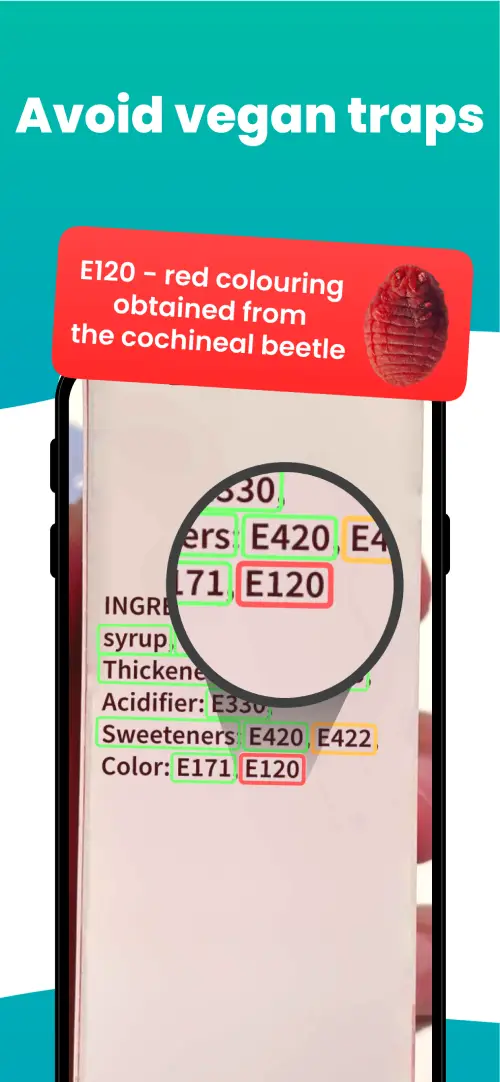
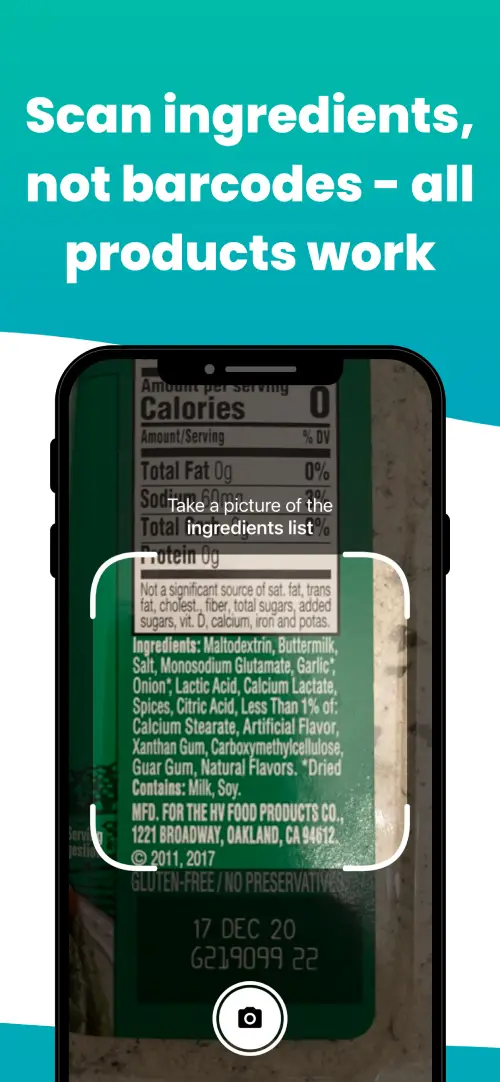
We've built a vegan ingredients scanner that classifies food ingredients as "vegan", "non-vegan", or "potentially vegan".
It allows you to avoid non-vegan ingredients - just take a picture of a product's ingredient list, and the app tells you if the product is vegan or not.



Check out other ingredients:
Is soda ash vegan?Is behenyl vegan?Is behenyl alcohol vegan?Are vine-ripened crushed tomatoes vegan?Is hydroxyethyl acrylate/sodium acryloyldimethyl taurate copolymer vegan?Is bitter almond oil vegan?Is reb a vegan?Is reb m vegan?Is natural chicle base vegan?Is red jalapeño vegan?Is red jalapeño puree vegan?Is chicle vegan?
We'll never send you spam.