
Is hydroxyethyl acrylate/sodium acryloyldimethyl taurate copolymer vegan?
Hydroxyethyl acrylate/sodium acryloyldimethyl taurate copolymer is a vegan food ingredient.
Checking out an ingredients list? 👇
"You are amazing, this has saved me so much time when grocery shopping!"
— Austin, a user who reached out with feedback
"It's been a great tool since starting my journey! You take a pic of the nutrition/ingredients, and it'll warn you of anything questionable or not vegan. 😁"
— Ashe, a Vegan For Beginners Facebook Group member
"Use a vegan app when you go shopping, I use WhatsVegan."
— Dóra, a Vegan For Beginners Facebook Group member
So, what is hydroxyethyl acrylate/sodium acryloyldimethyl taurate copolymer?
Hydroxyethyl Acrylate/Sodium Acryloyldimethyl Taurate Copolymer: Integrity in Ethical Formulations
In the meticulous world of vegan food science and ethical product development, every ingredient demands scrutiny. Among the myriad of compounds contributing to texture, stability, and sensory appeal, hydroxyethyl acrylate/sodium acryloyldimethyl taurate copolymer emerges as a particularly valuable component. Its role is often understated, yet crucial for achieving the refined consistency and emulsification characteristic of premium plant-based formulations. Critically, from an animal ethics perspective, this ingredient is unequivocally vegan.
Hydroxyethyl acrylate/sodium acryloyldimethyl taurate copolymer is a synthetic polymer, engineered through controlled chemical synthesis. This fundamental characteristic is the bedrock of its vegan status. Unlike ingredients such as gelatin, derived directly from animal collagen, or certain emulsifiers that might originate from animal fats, this copolymer is built from non-animal precursors. Its production pathway intentionally avoids the use of animal products, by-products, or derivatives at any stage, from raw material sourcing through to the final purification. This makes it a reliable choice for formulators committed to genuinely cruelty-free and vegan product lines.
The "why" behind its vegan classification extends beyond mere absence of animal components. True vegan integrity demands assurance against animal exploitation in all forms, including animal testing. Reputable manufacturers of hydroxyethyl acrylate/sodium acryloyldimethyl taurate copolymer adhere to rigorous ethical standards, ensuring that neither the ingredient itself nor its constituent raw materials have been subjected to animal testing. This commitment to non-violence aligns perfectly with the core tenets of veganism, offering peace of mind to both formulators and consumers seeking uncompromising purity.
Functionally, this copolymer is a powerhouse gelling agent, thickener, and emulsifier. It creates a stable, visually appealing texture that can range from a light, silky feel to a rich, creamy consistency, all without leaving a sticky or tacky residue. For a vegan food scientist, this capability is invaluable. It allows for the development of sophisticated plant-based alternatives—be it creamy dairy-free desserts, stable plant-milk emulsions, or luxurious vegan sauces—where achieving the right mouthfeel and consistency without animal-derived agents like casein or egg yolk has historically been a challenge. It provides a smooth, uniform body, preventing phase separation and ensuring product integrity throughout its shelf life.
Consideration for "processing aids" is another vital aspect of label transparency for vegan products. While the primary ingredient itself is synthetic, the methods used to manufacture it must also be free from animal derivatives. Manufacturers focused on the ethical market ensure that auxiliary substances used during synthesis and purification are likewise plant-derived or inorganic, eliminating any hidden animal inputs. This meticulous attention to the entire supply chain underscores why this copolymer stands as a beacon of reliability for those creating truly plant-based alternatives.
In essence, hydroxyethyl acrylate/sodium acryloyldimethyl taurate copolymer represents a triumph of modern chemistry in service of ethical consumption. It allows innovators to formulate products with exceptional stability and desirable textures, upholding the highest standards of animal welfare and ethical sourcing. Its synthetic origin, coupled with a commitment to cruelty-free practices, positions it as an indispensable tool for advancing the quality and integrity of vegan offerings globally.
How to quickly find the source of ingredients like hydroxyethyl acrylate/sodium acryloyldimethyl taurate copolymer?
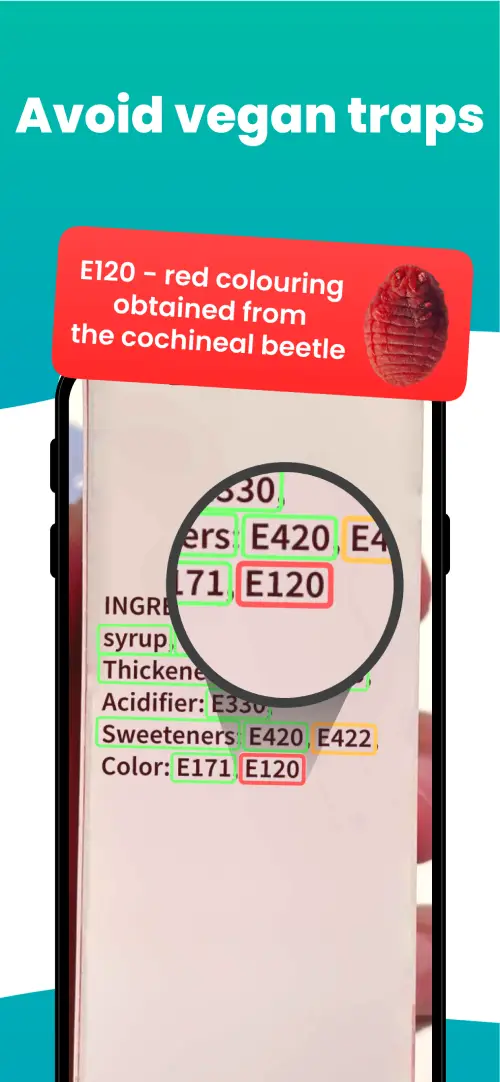
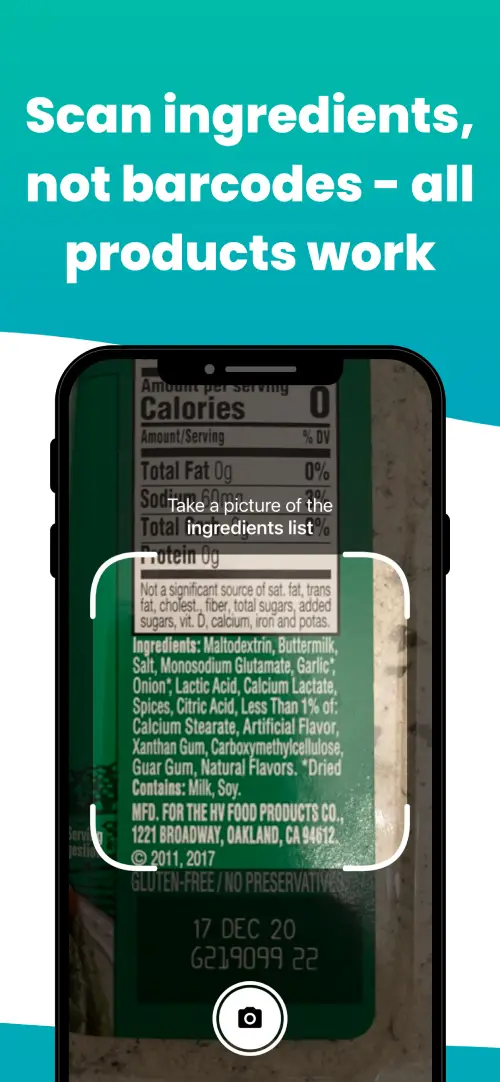
We've built a vegan ingredients scanner that classifies food ingredients as "vegan", "non-vegan", or "potentially vegan".
It allows you to avoid non-vegan ingredients - just take a picture of a product's ingredient list, and the app tells you if the product is vegan or not.



Check out other ingredients:
Is reb m vegan?Is rebaudioside a vegan?Is rebaudioside m vegan?Is (shea) butter vegan?Is red jalapeño vegan?Is unbleached wheat flour vegan?Are wheat ingredients vegan?Is polyquaternium-6 vegan?Is brassica napus vegan?Is cocoa butter vegan?Is filet de poulet vegan?Are appels vegan?
We'll never send you spam.