
Is behenyl alcohol vegan?
Behenyl alcohol is a vegan food ingredient.
Checking out an ingredients list? 👇
Vegan Ingredient Checker
Scan labels, check if ingredients are vegan
"You are amazing, this has saved me so much time when grocery shopping!"
— Austin, a user who reached out with feedback
"It's been a great tool since starting my journey! You take a pic of the nutrition/ingredients, and it'll warn you of anything questionable or not vegan. 😁"
— Ashe, a Vegan For Beginners Facebook Group member
"Use a vegan app when you go shopping, I use WhatsVegan."
— Dóra, a Vegan For Beginners Facebook Group member


Learn more
"You are amazing, this has saved me so much time when grocery shopping!"
— Austin, a user who reached out with feedback
"It's been a great tool since starting my journey! You take a pic of the nutrition/ingredients, and it'll warn you of anything questionable or not vegan. 😁"
— Ashe, a Vegan For Beginners Facebook Group member
"Use a vegan app when you go shopping, I use WhatsVegan."
— Dóra, a Vegan For Beginners Facebook Group member
So, what is behenyl alcohol?
Behenyl alcohol, also known as docosanol, is a saturated fatty alcohol used primarily as an emulsifier, thickener, and stabilizer. In food and ingestible products, it occasionally appears in nutritional supplements, chewing gum bases, flavor formulations, and protective coatings for confectionery. Commercially, behenyl alcohol is manufactured by processing vegetable oils rich in behenic acid or erucic acid, most commonly extracted from rapeseed oil, mustard seed oil, or corn oil. It can also be produced synthetically through the chemical reduction of petrochemical feedstocks.
This ingredient is classified as vegan because its commercial manufacturing relies entirely on plant lipids or synthetic chemistry, with no animal sources involved. Although certain shorter-chain fatty alcohols can be derived from animal tallow, behenyl alcohol features a specific 22-carbon chain length that is naturally abundant in select seed oils and absent in useful quantities in animal fats. Consequently, animal fat is not a commercially viable source for this compound. Food products listing behenyl alcohol are suitable for a vegan diet without the need to contact the manufacturer for further sourcing verification.
How to quickly find the source of ingredients like behenyl alcohol?
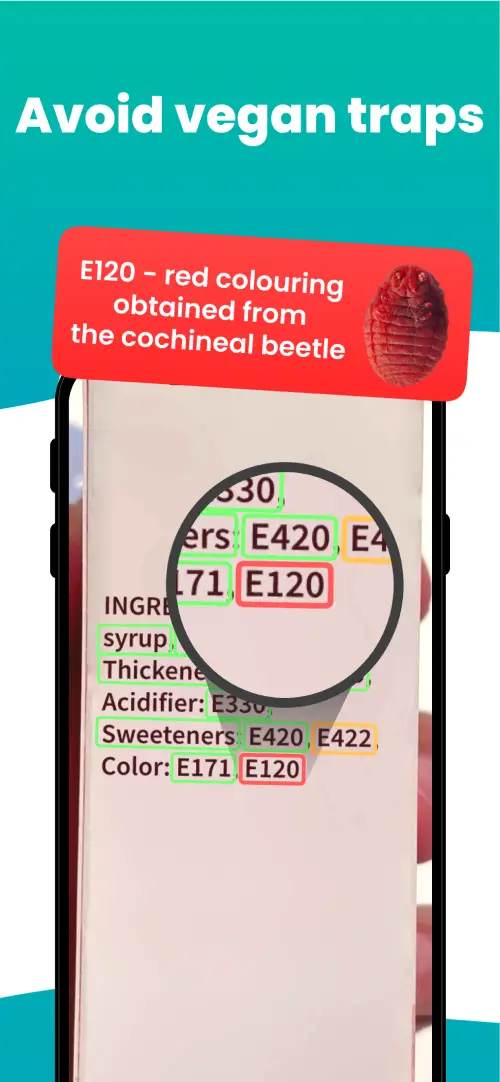
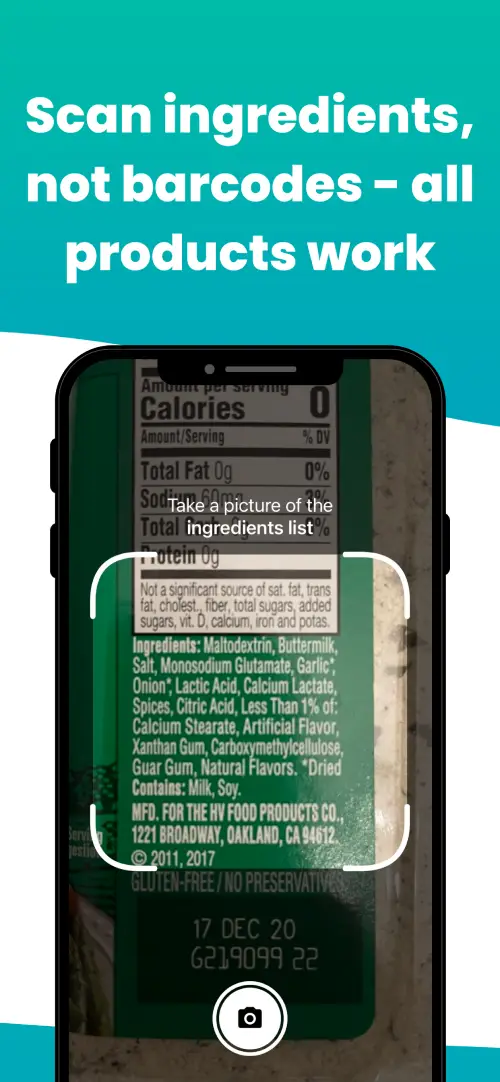
We've built a vegan ingredients scanner that classifies food ingredients as "vegan", "non-vegan", or "potentially vegan".
It allows you to avoid non-vegan ingredients - just take a picture of a product's ingredient list, and the app tells you if the product is vegan or not.

We'll never send you spam.