
Is anhydrous dextrose vegan?
Anhydrous dextrose is a vegan food ingredient.
Checking out an ingredients list? 👇
"You are amazing, this has saved me so much time when grocery shopping!"
— Austin, a user who reached out with feedback
"It's been a great tool since starting my journey! You take a pic of the nutrition/ingredients, and it'll warn you of anything questionable or not vegan. 😁"
— Ashe, a Vegan For Beginners Facebook Group member
"Use a vegan app when you go shopping, I use WhatsVegan."
— Dóra, a Vegan For Beginners Facebook Group member
So, what is anhydrous dextrose?
Understanding Anhydrous Dextrose: A Vegan Perspective
Anhydrous dextrose, a simple sugar known chemically as D-glucose, stands as a fundamental ingredient within the food industry, and crucially, within the realm of ethical, plant-based consumption. Derived exclusively from plant starches – most commonly corn, but also wheat, rice, or potato – it is glucose in its purest, water-free form. Its appearance is that of a fine, white crystalline powder, dissolving readily and offering a clean, moderately sweet flavor profile.
For those committed to a vegan lifestyle, anhydrous dextrose is a reliably cruelty-free ingredient. Its "vegan" status is not merely a label, but a reflection of its origin and processing. The production of anhydrous dextrose begins with the enzymatic hydrolysis of starch, a process that breaks down complex starch molecules into individual glucose units. This enzymatic conversion is a biological process, utilizing enzymes derived from microbial fermentation, not from animal sources. Following hydrolysis, the glucose solution undergoes purification and crystallization to yield the anhydrous form.
This plant-direct pathway is vital for understanding its ethical standing. Unlike some other sugars, particularly sucrose (common table sugar), anhydrous dextrose does not typically involve bone char in its refining process. Bone char, derived from animal bones, is a common decolorizing agent used by many sugar manufacturers, rendering those sugars non-vegan. Dextrose, by contrast, bypasses this contentious processing aid entirely, making it a consistently safe choice for vegan consumers and a natural fit for product lines marketed as plant-based alternatives and cruelty-free.
Its role extends beyond mere sweetness. Anhydrous dextrose is a versatile component, functioning as a bulking agent, a fermentation substrate in baking (feeding yeasts), and a readily available energy source in sports nutrition. Its presence in a product signals a direct, plant-sourced sweetener, offering clarity and peace of mind.
For consumers advocating for label transparency, identifying anhydrous dextrose on an ingredient list offers clear assurance. Its fundamental derivation from plant starches, coupled with processing methods free from animal-derived aids, cements its position as a staple in vegan formulations. This makes it not only a scientifically sound ingredient but also one that aligns perfectly with the core principles of animal ethics and purity in food production.
How to quickly find the source of ingredients like anhydrous dextrose?
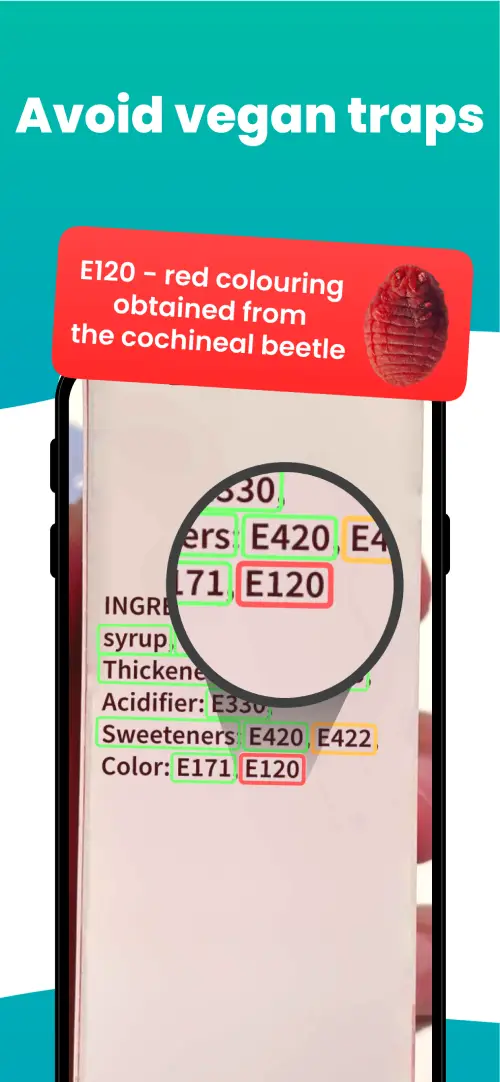
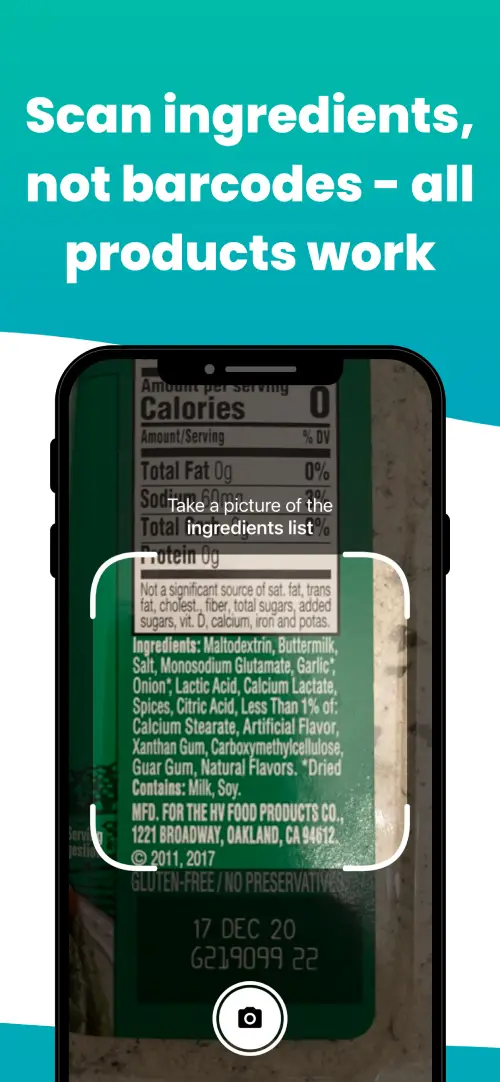
We've built a vegan ingredients scanner that classifies food ingredients as "vegan", "non-vegan", or "potentially vegan".
It allows you to avoid non-vegan ingredients - just take a picture of a product's ingredient list, and the app tells you if the product is vegan or not.



Check out other ingredients:
Is enriched unbleached flour vegan?Are com syrup solids vegan?Are lemon juice solids vegan?Are fire-roasted tomatoes vegan?Are non-animal enzymes vegan?Is hot chili vegan?Is cultured corn syrup solid vegan?Is puffed whole grain blend vegan?Is whole grain blend vegan?Are flake oats vegan?Is passievrucht vegan?Are lachsfilets vegan?
We'll never send you spam.