
Are lemon juice solids vegan?
Lemon juice solids is a vegan food ingredient.
Checking out an ingredients list? 👇
"You are amazing, this has saved me so much time when grocery shopping!"
— Austin, a user who reached out with feedback
"It's been a great tool since starting my journey! You take a pic of the nutrition/ingredients, and it'll warn you of anything questionable or not vegan. 😁"
— Ashe, a Vegan For Beginners Facebook Group member
"Use a vegan app when you go shopping, I use WhatsVegan."
— Dóra, a Vegan For Beginners Facebook Group member
So, what is lemon juice solids?
Decoding Lemon Juice Solids: A Purely Plant-Based Ingredient
Lemon juice solids represent a concentrated, dehydrated form of fresh lemon juice, meticulously processed to retain its characteristic tang and aromatic profile. Essentially, it is lemon juice from which the water has been carefully removed, resulting in a free-flowing powder or granular substance. This process allows for extended shelf-life, ease of storage, and consistent flavor delivery in countless applications.
From an animal ethics perspective, lemon juice solids are unequivocally vegan. The ingredient is derived solely from the fruit of the lemon tree, a botanical source entirely free from animal involvement. The journey from fresh lemon to its powdered form involves physical processes like evaporation, spray-drying, or freeze-drying, which concentrate the natural components of the lemon: primarily citric acid, natural flavors, and a small amount of sugars. At no point in this standard production chain are animal-derived processing aids typically employed. This stands in stark contrast to some other food ingredients, where concerns arise regarding components like bone char used in sugar refining, or gelatin and isinglass historically used as fining agents in some beverages. For lemon juice solids, the purity of its plant-based origin remains uncompromised, making it a reliable and cruelty-free addition to any vegan formulation.
As a common plant-based alternative to fresh lemon juice, lemon juice solids offer significant advantages, particularly in industrial food production and home baking where consistency and shelf-stability are paramount. Its concentrated nature means a small amount can impart the equivalent zest and acidity of fresh lemons, without the variability of fruit ripeness or the inconvenience of spoilage. This makes it an invaluable asset in a wide array of vegan products, from baking mixes and frostings to savory seasonings, plant-based dairy alternatives, and even pharmaceutical applications where precise pH control and flavor are desired. Its inclusion supports the development of innovative plant-based alternatives that meet stringent quality and ethical standards.
The ingredient is typically listed clearly on product labels as "lemon juice solids," "dried lemon juice," or similar straightforward nomenclature. This level of label transparency is highly valued within the vegan community, allowing consumers to easily identify and trust products containing this pure, plant-derived component. Its role extends beyond mere flavoring; it can function as a natural preservative due to its acidity, an emulsifier, or a leavening agent activator in certain recipes, showcasing its versatility within the realm of vegan food science. The reliability and ethical integrity of lemon juice solids cement its status as a foundational ingredient for anyone committed to a plant-based lifestyle, ensuring both flavor excellence and peace of mind.
How to quickly find the source of ingredients like lemon juice solids?
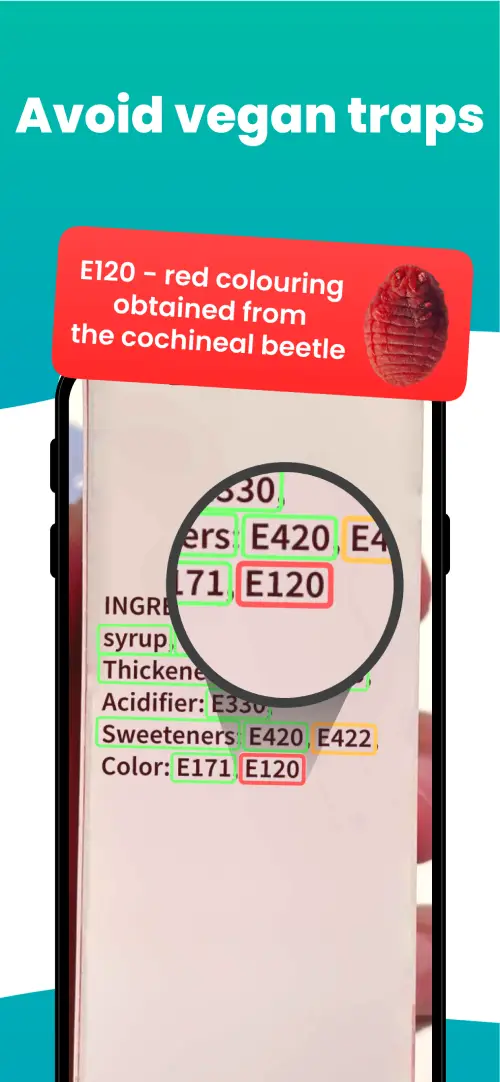
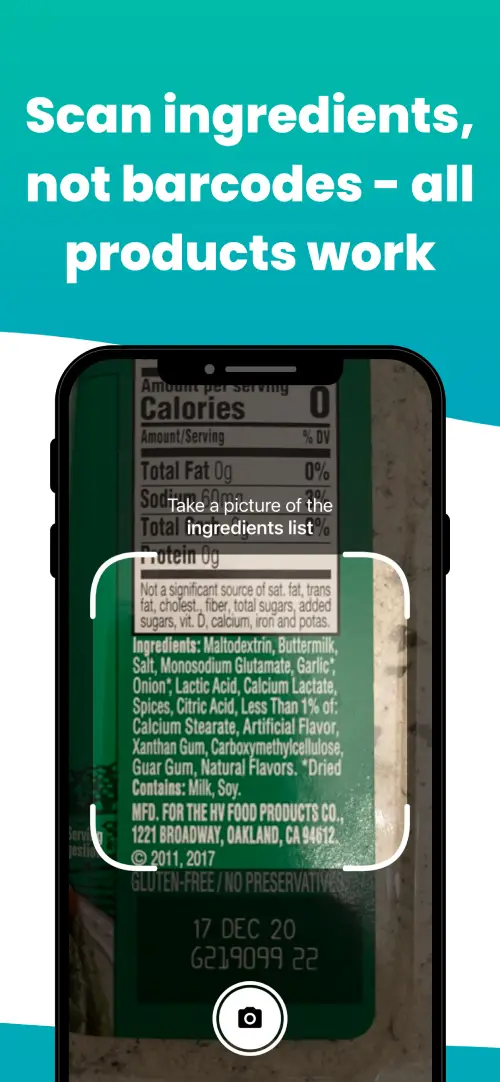
We've built a vegan ingredients scanner that classifies food ingredients as "vegan", "non-vegan", or "potentially vegan".
It allows you to avoid non-vegan ingredients - just take a picture of a product's ingredient list, and the app tells you if the product is vegan or not.



Check out other ingredients:
Are pumpkin flakes vegan?Are com syrup solids vegan?Is com syrup vegan?Is smoked dextrose vegan?Is hot chili vegan?Is anhydrous dextrose vegan?Is whole grain and seed mix vegan?Is coconut base vegan?Are thick flake oats vegan?Is vegetal casing vegan?Are soybean ingredients vegan?Is buffalo currant vegan?
We'll never send you spam.