
Are com syrup solids vegan?
Com syrup solids is a vegan food ingredient.
Checking out an ingredients list? 👇
"You are amazing, this has saved me so much time when grocery shopping!"
— Austin, a user who reached out with feedback
"It's been a great tool since starting my journey! You take a pic of the nutrition/ingredients, and it'll warn you of anything questionable or not vegan. 😁"
— Ashe, a Vegan For Beginners Facebook Group member
"Use a vegan app when you go shopping, I use WhatsVegan."
— Dóra, a Vegan For Beginners Facebook Group member
So, what is com syrup solids?
Understanding Corn Syrup Solids: A Deep Dive into a Plant-Based Ingredient
In the intricate world of food formulation, especially within the burgeoning plant-based sector, understanding the provenance and processing of every ingredient is paramount for ethical consumption. Corn syrup solids, often simply labeled as such, represent a concentrated, dried form of corn syrup, widely utilized for their functional properties. For those committed to a vegan lifestyle, their status as a truly cruelty-free component warrants a closer examination.
The Genesis of Corn Syrup Solids: Purely Plant-Based
Corn syrup solids are unequivocally vegan. Their origin is entirely rooted in the plant kingdom, specifically from corn starch. The journey begins with corn kernels, which are wet-milled to extract their starch. This starch, a complex carbohydrate, then undergoes a process called hydrolysis. During hydrolysis, enzymes, typically microbial amylases, break down the long chains of glucose molecules in the starch into smaller sugars. This enzymatic conversion is a critical step, and importantly, the enzymes employed in this process are overwhelmingly derived from microbial fermentation, ensuring no animal inputs are involved.
Unlike some other sugars derived from cane, which may involve bone char filtration for decolorization, the manufacturing process for corn-derived sweeteners like corn syrup solids does not utilize bone char. This fundamental distinction eliminates a significant "gray area" concern for many vegans, solidifying corn syrup solids' position as a clean, plant-based alternative without the ethical complexities sometimes associated with certain refined sugars.
Functional Excellence in Vegan Formulations
The utility of corn syrup solids extends beyond mere sweetness. In their solid, powdered form, they offer a range of functional benefits that are highly valued in plant-based food products. They contribute to body and texture, acting as a bulking agent without imparting excessive sweetness. Their ability to manage water activity helps control moisture, extending shelf life and preventing microbial growth. Furthermore, they are excellent at inhibiting sugar crystallization, which is crucial for achieving smooth textures in items like vegan ice creams, glazes, and confectionery.
For formulators developing plant-based alternatives to traditional dairy or meat products, corn syrup solids are a reliable choice for achieving desired mouthfeel and structural integrity. Their mild flavor profile allows the primary ingredients' tastes to shine, making them a versatile component in everything from vegan protein bars and baked goods to plant-based sauces and dressings.
Ensuring Ethical Sourcing and Label Transparency
While corn syrup solids themselves are inherently vegan, the broader landscape of food ingredients necessitates vigilance. The good news is that the processing of corn into corn syrup solids is consistently free from animal-derived processing aids or byproducts. This consistency is a hallmark of large-scale commodity ingredient production, where standardized, often enzyme-based methods are the norm.
For consumers, robust label transparency remains the ultimate tool for navigating ingredient lists. When "corn syrup solids" appear on a label, vegans can confidently understand it as a plant-derived, cruelty-free ingredient. This clarity allows for ethical consumption choices, reinforcing the trust in products marketed as plant-based and supporting the continued growth of a food system built on compassion and sustainability. Corn syrup solids stand as a testament to how fundamental plant-based components can contribute significantly to the texture, stability, and appeal of a truly vegan culinary landscape.
How to quickly find the source of ingredients like com syrup solids?
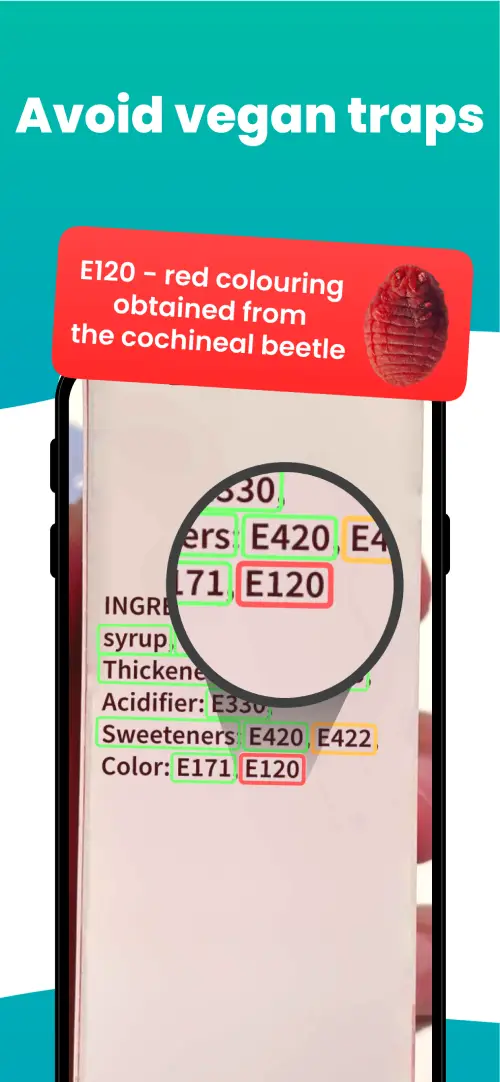
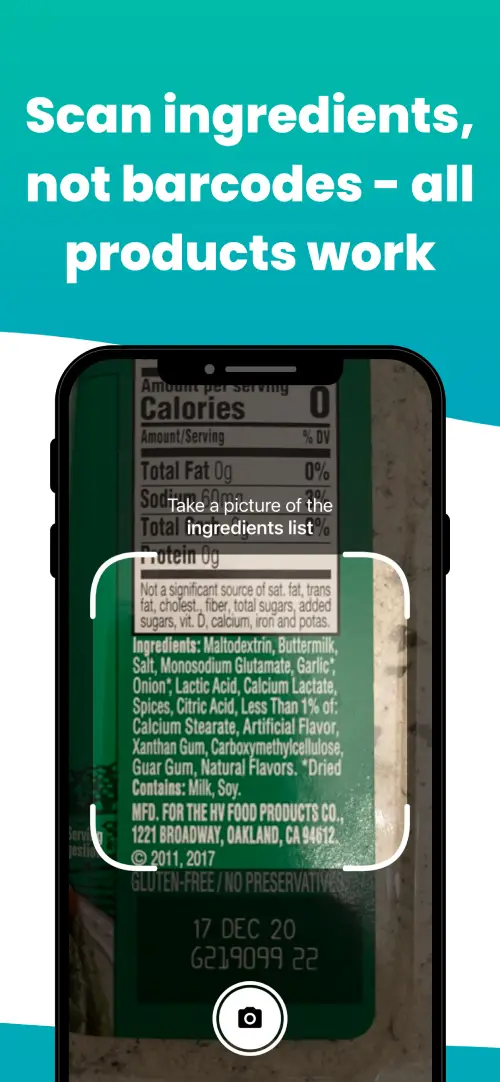
We've built a vegan ingredients scanner that classifies food ingredients as "vegan", "non-vegan", or "potentially vegan".
It allows you to avoid non-vegan ingredients - just take a picture of a product's ingredient list, and the app tells you if the product is vegan or not.



Check out other ingredients:
Are lemon juice solids vegan?Is com syrup vegan?Are pumpkin flakes vegan?Are non-animal enzymes vegan?Is anhydrous dextrose vegan?Is smoked dextrose vegan?Is enriched unbleached flour vegan?Is whole grain and seed mix vegan?Is rye meal vegan?Are fire-roasted tomatoes vegan?Is parboiled long grain rice vegan?Is vegetal casing vegan?
We'll never send you spam.