
Is annatto extract color vegan?
Annatto extract color is a vegan food ingredient.
Checking out an ingredients list? 👇
"You are amazing, this has saved me so much time when grocery shopping!"
— Austin, a user who reached out with feedback
"It's been a great tool since starting my journey! You take a pic of the nutrition/ingredients, and it'll warn you of anything questionable or not vegan. 😁"
— Ashe, a Vegan For Beginners Facebook Group member
"Use a vegan app when you go shopping, I use WhatsVegan."
— Dóra, a Vegan For Beginners Facebook Group member
So, what is annatto extract color?
Unpacking Annatto Extract Color
Annatto extract, derived from the seeds of the Bixa orellana tree, is a vivid colorant that has adorned foods and cosmetics for centuries. Its rich yellow-to-orange hues are a staple in many kitchens and industrial applications, but for those committed to a vegan lifestyle, understanding its provenance and processing is paramount.
From a botanical perspective, annatto is unequivocally plant-based. The color is contained within the arils, the thin, resinous coating surrounding the seeds of the annatto fruit. These seeds are harvested, and the vibrant pigments, primarily bixin and norbixin (types of carotenoids), are extracted. This origin alone positions annatto extract as a fundamentally ethical choice, free from direct animal involvement. It stands as a prime example of how nature provides brilliant, functional ingredients without requiring animal exploitation.
When considering annatto extract's place within the realm of vegan ingredients, its status is consistently "Vegan." Unlike some other food additives where processing aids or hidden animal derivatives can pose ethical dilemmas, annatto extract typically maintains its purity. The extraction process often involves vegetable oils, water, or alkaline solutions – all of which are standard, plant-derived, or inert compounds. Scrutiny of processing aids is crucial for any ingredient, but in the case of annatto, these are overwhelmingly compatible with vegan principles. This ensures that the final product remains entirely cruelty-free, from seed to plate.
Annatto’s role as a plant-based alternative is significant. It offers a naturally derived, appealing spectrum of yellow and orange, often replacing synthetic colorants that may raise health concerns, or in some niche cases, animal-derived pigments that might have been used historically in certain food traditions. Its consistent availability and vibrant impact make it an invaluable tool for vegan food scientists and chefs alike, enabling the creation of visually appealing products—from plant-based cheeses and yogurts to baked goods and confectionery—without compromising ethical standards.
For consumers, label transparency is key. While annatto extract itself is vegan, a discerning eye on product labels is always advisable to confirm that other ingredients in the final food product align with vegan values. However, regarding the colorant itself, annatto extract upholds the highest standards of animal ethics and purity. Its journey from the Bixa orellana tree to our food system is a testament to the power and beauty of purely botanical ingredients, providing vibrant color without a trace of animal suffering. It is a true ally in the pursuit of a compassionate and sustainable food future.
How to quickly find the source of ingredients like annatto extract color?
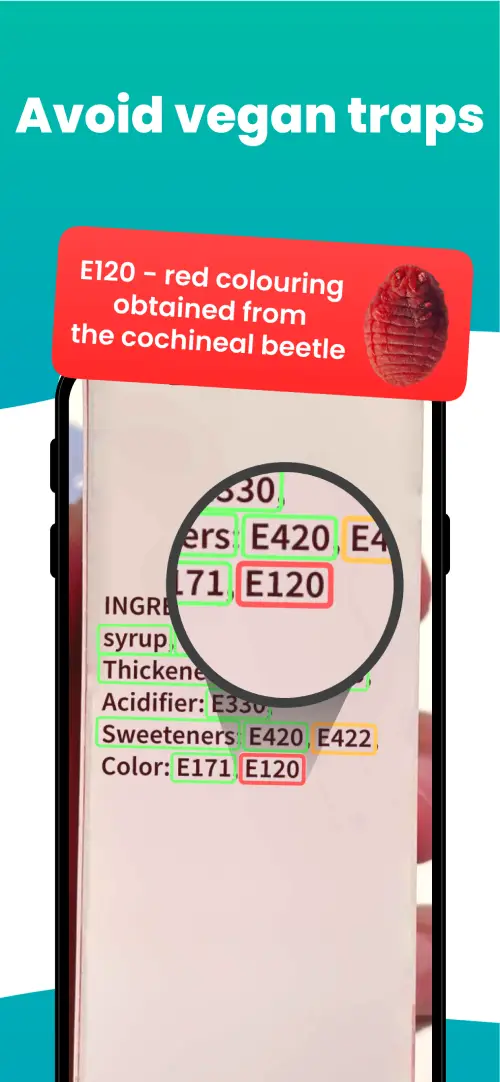
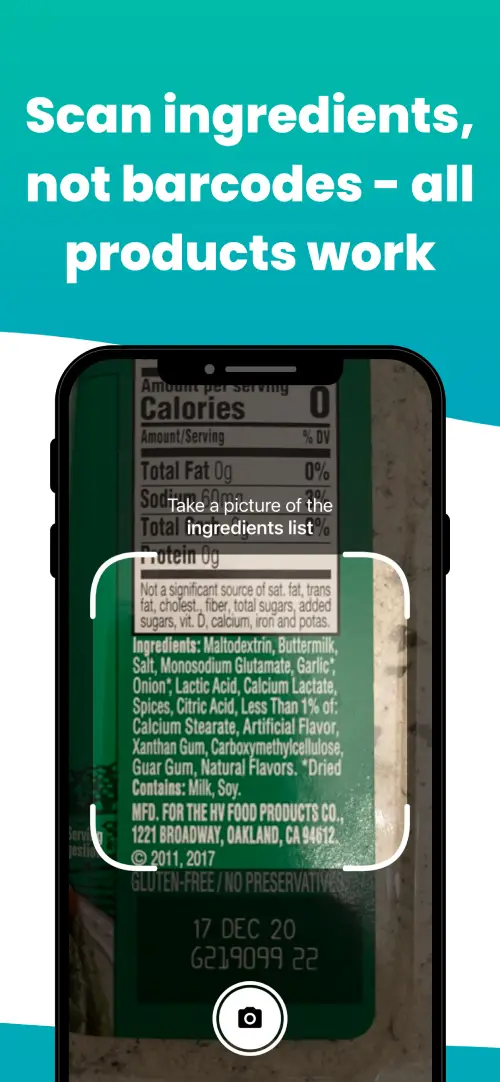
We've built a vegan ingredients scanner that classifies food ingredients as "vegan", "non-vegan", or "potentially vegan".
It allows you to avoid non-vegan ingredients - just take a picture of a product's ingredient list, and the app tells you if the product is vegan or not.



We'll never send you spam.