
Is balm mint vegan?
Balm mint is a vegan food ingredient.
Checking out an ingredients list? 👇
"You are amazing, this has saved me so much time when grocery shopping!"
— Austin, a user who reached out with feedback
"It's been a great tool since starting my journey! You take a pic of the nutrition/ingredients, and it'll warn you of anything questionable or not vegan. 😁"
— Ashe, a Vegan For Beginners Facebook Group member
"Use a vegan app when you go shopping, I use WhatsVegan."
— Dóra, a Vegan For Beginners Facebook Group member
So, what is balm mint?
Balm Mint: A Botanical Exploration
Balm mint, scientifically known as Melissa officinalis, is a revered herb belonging to the mint family (Lamiaceae). Often interchangeably called lemon balm due due to its distinct, uplifting citrusy aroma and delicate menthol undertones, this perennial plant has graced gardens and apothecaries for centuries. Its heart-shaped, crinkled leaves are the primary source of its highly prized volatile oils, which impart both its characteristic fragrance and its gentle, soothing properties.
From an animal ethics perspective, balm mint stands as an exemplary ingredient. Derived entirely from the plant kingdom, it is unequivocally vegan. There are no animal products, byproducts, or animal-derived processing aids inherently involved in its cultivation or basic harvesting. Its status is rooted in its pure botanical origin, making it a naturally compliant and celebrated component within plant-based diets and cruelty-free product formulations. For those committed to animal welfare and seeking ingredients untainted by exploitation, balm mint offers complete peace of mind.
The application of balm mint within vegan cuisine and product development is diverse and celebrated. Its refreshing profile makes it a popular choice for herbal teas and infusions, often valued for its calming effects without relying on any animal-derived agents. In culinary contexts, fresh or dried balm mint brightens desserts like fruit salads, sorbets, and baked goods, offering a vibrant, zesty counterpoint. It also finds its way into savory dishes, marinades, and vinaigrettes, lending a sophisticated, herbaceous note that is entirely plant-based. As a natural flavorant, it offers a clean, aromatic alternative to artificial essences, aligning perfectly with the ethos of wholesome, transparent ingredient lists.
When considering balm mint for consumption, the primary concern for ethical vegans shifts from the ingredient itself to potential processing considerations, though these are minimal for this particular herb. As a whole leaf, either fresh or dried, balm mint requires no intricate processing that might introduce non-vegan elements. Even in extract form, such as essential oils or tinctures, reputable manufacturers typically employ plant-based solvents or simple distillation techniques. However, for maximum assurance, particularly with highly processed extracts or flavor blends, seeking products that explicitly state "vegan certified" or provide comprehensive label transparency regarding processing aids is always prudent. This ensures that no hidden animal-derived carriers or filters have been inadvertently utilized, although such instances are exceedingly rare with a raw botanical like balm mint.
In conclusion, balm mint is a stellar example of an ingredient that inherently embodies the principles of veganism. Its natural origin, delightful sensory qualities, and broad utility make it an invaluable addition to any plant-based pantry or product line. Its cultivation supports plant agriculture, aligning seamlessly with cruelty-free principles and offering a pure, ethical choice for consumers.
How to quickly find the source of ingredients like balm mint?
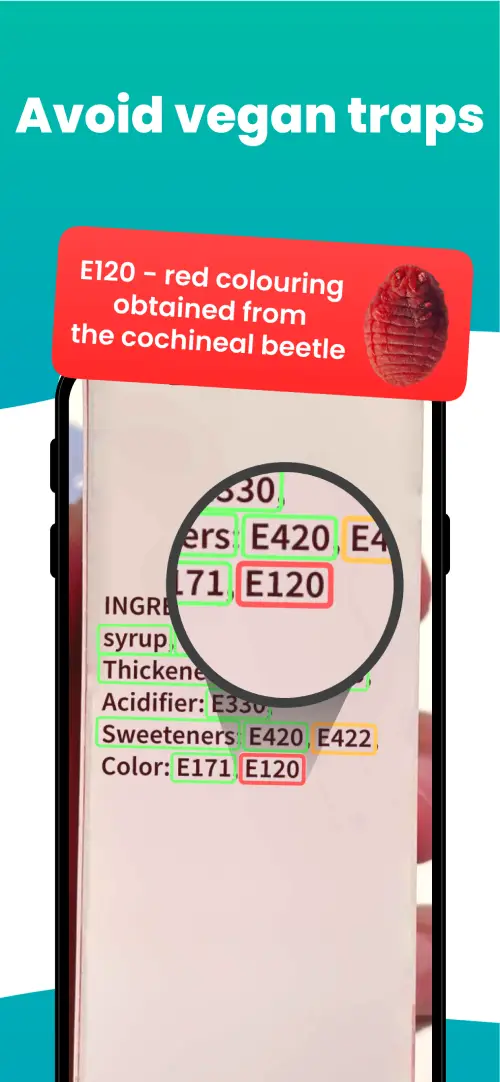
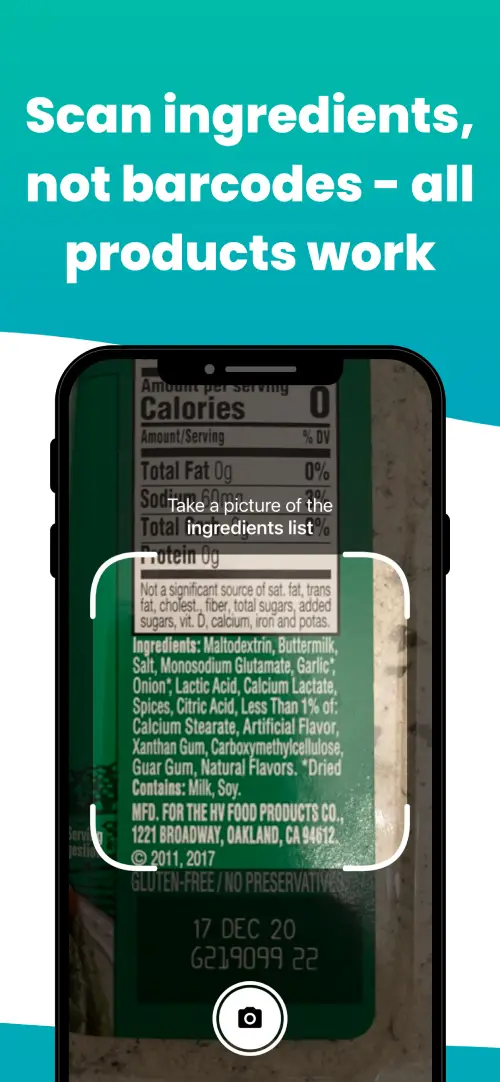
We've built a vegan ingredients scanner that classifies food ingredients as "vegan", "non-vegan", or "potentially vegan".
It allows you to avoid non-vegan ingredients - just take a picture of a product's ingredient list, and the app tells you if the product is vegan or not.



Check out other ingredients:
Is chamomilla recutita vegan?Is matricaria vegan?Is sage vegan?Are althea officinalis vegan?Are cucumis sativas vegan?Are salvia officinalis vegan?Is macrocystis pyrifera vegan?Are infusion of salvia officinalis vegan?Is sodium c16-18 olefin sulfonate vegan?Is soyamidopropalkonium chloride vegan?Is sodium c14-18 olefin sulfonate vegan?Are plant phospholipids vegan?
We'll never send you spam.