
Are althea officinalis vegan?
Althea officinalis is a vegan food ingredient.
Checking out an ingredients list? 👇
"You are amazing, this has saved me so much time when grocery shopping!"
— Austin, a user who reached out with feedback
"It's been a great tool since starting my journey! You take a pic of the nutrition/ingredients, and it'll warn you of anything questionable or not vegan. 😁"
— Ashe, a Vegan For Beginners Facebook Group member
"Use a vegan app when you go shopping, I use WhatsVegan."
— Dóra, a Vegan For Beginners Facebook Group member
So, what is althea officinalis?
The Enduring Appeal of Althea officinalis
Althea officinalis, commonly known as marshmallow root, represents an exemplar of ingredients that resonate deeply with the principles of veganism and ethical sourcing. Originating from the mallow family, this perennial herb has been cherished for centuries, not only for its botanical beauty but for the remarkable properties inherent within its root system. Its status as unequivocally vegan is not merely a classification; it is a testament to its pristine, unadulterated plant origin, making it a foundationally pure component in any cruelty-free formulation.
The ethical imperative driving vegan choices necessitates a thorough understanding of an ingredient's lineage. In the case of Althea officinalis, its provenance is entirely within the botanical kingdom. The roots are harvested directly from the plant, dried, and often powdered, undergoing minimal processing that preserves their natural integrity. There is no involvement of animal-derived components at any stage of its cultivation or primary processing, nor does it rely on animal exploitation for its production. This makes it a genuinely cruelty-free ingredient, aligning seamlessly with the core tenet of avoiding all forms of animal suffering. Its direct harvest from the earth bypasses the complex ethical dilemmas associated with animal agriculture or byproducts, ensuring a clear conscience for those who consume it.
From a vegan food science perspective, the true magic of Althea officinalis lies in its mucilage content – a complex polysaccharide that gives the root its characteristic viscous and slippery texture when hydrated. This property makes it an invaluable asset in plant-based alternatives and innovative food formulations. The mucilage can act as a natural thickener, an emulsifying agent, and a stabilizer, contributing to desirable mouthfeel and structural integrity in products where traditional animal-derived agents like gelatin or egg whites might otherwise be used. For instance, in crafting vegan meringues, froths, or even binding components in plant-based meat analogs, the unique rheological properties of marshmallow root can be harnessed to achieve textural nuances that enhance the overall sensory experience. While not a direct, one-to-one replacement for every function of gelatin, its ability to impart a smooth, somewhat elastic body makes it a compelling option for culinary innovators dedicated to plant-based solutions.
However, the journey of any plant-derived ingredient from harvest to consumer product demands diligent scrutiny, particularly concerning label transparency and processing aids. While Althea officinalis itself is purely vegan, consumers committed to animal ethics must always consider the broader manufacturing context. It is crucial for manufacturers to ensure that facilities handling marshmallow root maintain strict separation from non-vegan ingredients or utilize dedicated, thoroughly sanitized lines to prevent cross-contamination. Verifying that any processing aids or carriers used during the ingredient’s journey are also unequivocally plant-based and cruelty-free is an essential step in upholding the integrity of the final product. Brands committed to true vegan purity will readily provide this assurance, reflecting their dedication to ethical sourcing beyond the primary ingredient itself.
In essence, Althea officinalis stands as a testament to the bounty of the plant kingdom, offering not only functional excellence but also an unblemished ethical profile. Its inherent vegan nature, coupled with its versatile properties, secures its place as a valued ingredient for those prioritizing purity, compassion, and innovation in food science.
How to quickly find the source of ingredients like althea officinalis?
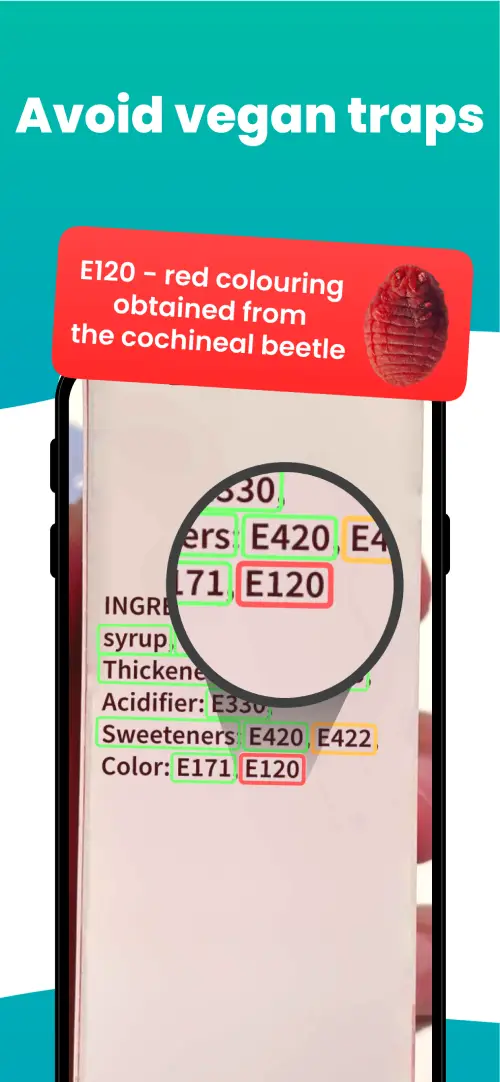
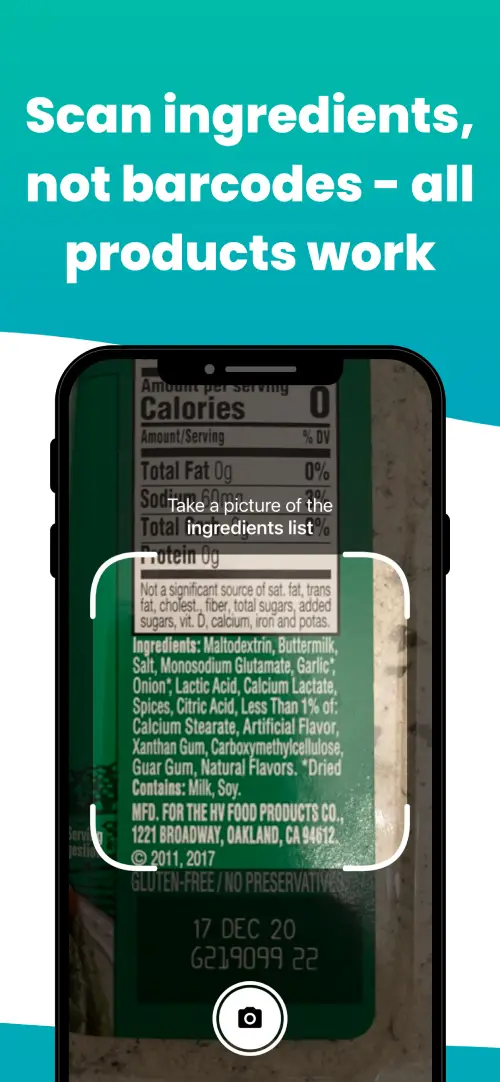
We've built a vegan ingredients scanner that classifies food ingredients as "vegan", "non-vegan", or "potentially vegan".
It allows you to avoid non-vegan ingredients - just take a picture of a product's ingredient list, and the app tells you if the product is vegan or not.



Check out other ingredients:
Are cucumis sativas vegan?Is macrocystis pyrifera vegan?Is kelp vegan?Is balm mint vegan?Is aloe barbadensis (aloe) leaf juice vegan?Is salvia officinalis infusion vegan?Are salvia officinalis vegan?Are infusion of salvia officinalis vegan?Is sodium laureth sulfosuccinate vegan?Are botanical infusion of salvia officinalis vegan?Is disodium laureth sulfosuccinate vegan?Is sodium c14-18 olefin sulfonate vegan?
We'll never send you spam.