
Is soyamidopropalkonium chloride vegan?
Soyamidopropalkonium chloride is a vegan food ingredient.
Checking out an ingredients list? 👇
"You are amazing, this has saved me so much time when grocery shopping!"
— Austin, a user who reached out with feedback
"It's been a great tool since starting my journey! You take a pic of the nutrition/ingredients, and it'll warn you of anything questionable or not vegan. 😁"
— Ashe, a Vegan For Beginners Facebook Group member
"Use a vegan app when you go shopping, I use WhatsVegan."
— Dóra, a Vegan For Beginners Facebook Group member
So, what is soyamidopropalkonium chloride?
Decoding Soyamidopropalkonium Chloride: A Vegan Ingredient Profile
In the evolving landscape of conscious consumerism, the demand for transparent, ethically sourced ingredients has never been higher. Among the array of functional compounds found in personal care and household products, soyamidopropalkonium chloride stands as a notable example, specifically recognized for its fully plant-derived origins.
This compound functions primarily as a cationic surfactant, conditioning agent, and antistatic ingredient. Its utility spans a wide range of applications, from hair care formulations where it imparts smoothness and detangling properties, to skin care where it aids in emulsification and feel, and even in certain cleaning solutions for its surface-modifying capabilities.
The Botanical Foundation: A Soy-Derived Compound
The defining characteristic of soyamidopropalkonium chloride, especially for those committed to a vegan lifestyle, lies in its foundational chemistry. It is synthesized from fatty acids derived exclusively from soybeans. The process typically involves reacting soy fatty acids to form an amidoamine, which is then quaternized. This specific pathway ensures that the starting materials are entirely botanical, sidestepping any reliance on animal fats or byproducts often found in conventionally derived quaternary ammonium compounds.
This makes soyamidopropalkonium chloride a genuinely plant-based alternative to similar ingredients that might otherwise be sourced from tallow (animal fat) or other animal-derived raw materials. The certainty of its soy origin provides immediate assurance of its suitability for strict vegan product lines.
Ethical Purity and Cruelty-Free Principles
For the discerning consumer focused on animal ethics and purity, the clear plant origin of soyamidopropalkonium chloride is paramount. Many conventional conditioning agents and emulsifiers, while effective, can sometimes trace their lineage back to animal agriculture, whether through the use of rendered fats, lanolin derivatives, or even hydrolyzed animal proteins. Soyamidopropalkonium chloride offers a direct, unambiguous botanical route.
Its presence in a product signals a commitment to cruelty-free formulation, eliminating the ethical dilemmas associated with ingredients that contribute to animal exploitation. This ingredient exemplifies how advanced chemistry can harness renewable plant resources to create highly effective solutions without compromising on ethical values. For brands prioritizing label transparency and seeking to meet the stringent demands of the vegan market, incorporating such clearly plant-derived components is not merely a choice but a foundational principle. It allows for the creation of truly vegan products, free from hidden animal inputs that can often lurk in complex chemical names.
In essence, soyamidopropalkonium chloride provides a reliable, scientifically sound, and ethically pure option for formulators and consumers alike. Its robust performance characteristics, combined with its undisputed plant-based pedigree, solidify its position as a preferred ingredient for a future built on conscious product design.
How to quickly find the source of ingredients like soyamidopropalkonium chloride?
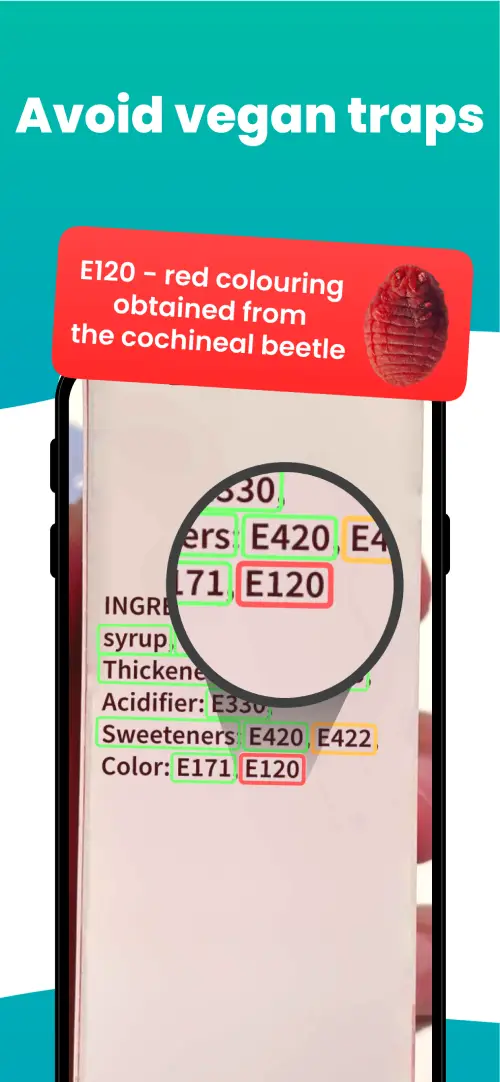
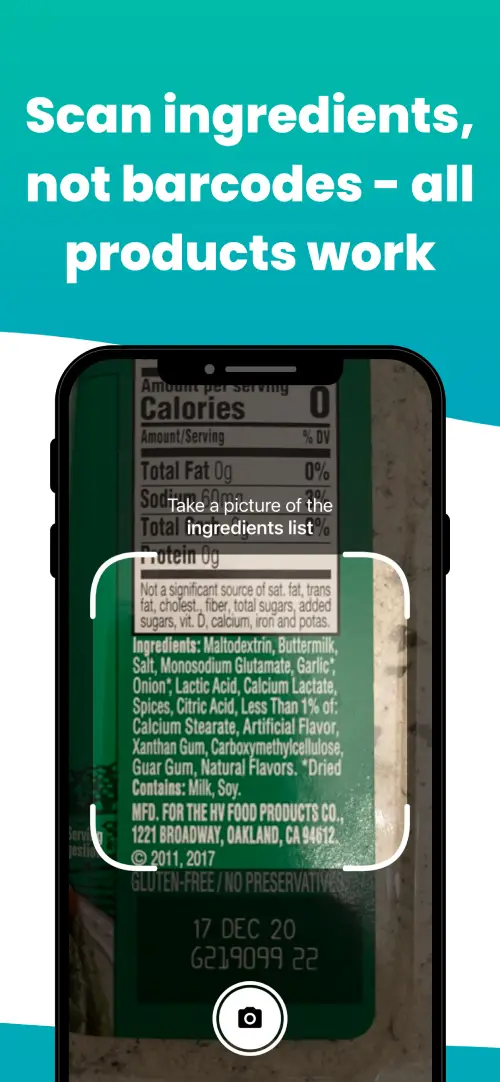
We've built a vegan ingredients scanner that classifies food ingredients as "vegan", "non-vegan", or "potentially vegan".
It allows you to avoid non-vegan ingredients - just take a picture of a product's ingredient list, and the app tells you if the product is vegan or not.



Check out other ingredients:
Is aloe barbadensis (aloe) leaf juice vegan?Is kelp vegan?Are cucumis sativas vegan?Is lauryl glucoside vegan?Is chamomilla recutita vegan?Is balm mint vegan?Is polyquaternium-7 vegan?Is sage vegan?Is ricinus communis seed oil vegan?Is butylphenyl methylpropional vegan?Is de la farine de riz vegan?Is metabisulfites de sodium vegan?
We'll never send you spam.