
Is bayberry wax vegan?
Bayberry wax is a vegan food ingredient.
Checking out an ingredients list? 👇
"You are amazing, this has saved me so much time when grocery shopping!"
— Austin, a user who reached out with feedback
"It's been a great tool since starting my journey! You take a pic of the nutrition/ingredients, and it'll warn you of anything questionable or not vegan. 😁"
— Ashe, a Vegan For Beginners Facebook Group member
"Use a vegan app when you go shopping, I use WhatsVegan."
— Dóra, a Vegan For Beginners Facebook Group member
So, what is bayberry wax?
Understanding Bayberry Wax: A Pure Plant-Based Ingredient
Bayberry wax, derived from the fruit of the Myrica species (commonly the Southern Wax Myrtle, Myrica cerifera, or other Myrica shrubs), stands as a testament to nature's bounty, offering a truly plant-based and ethical ingredient. Harvested primarily in North and South America, this unique wax has a long history, traditionally used for centuries in candle making, valued for its clean burn and subtle, earthy aroma. Today, its applications have broadened significantly, finding its way into cosmetics, personal care products, and even some specialized food preparations where its emulsifying and texturizing properties are beneficial.
The Unambiguous Vegan Status: A Commitment to Purity
From the perspective of animal ethics and purity, bayberry wax is unequivocally vegan. Its origin is purely botanical: the wax forms a delicate, often pale green, coating on the small, grayish-white berries of the Myrica bush. The process of extracting bayberry wax is straightforward and free from any animal involvement. The berries are typically boiled in water; as they heat, the wax melts and floats to the surface, where it is skimmed off, cooled, and then purified. This simple mechanical process ensures that the wax remains entirely plant-derived, without the need for animal-based processing aids or any interaction with animal products at its source.
This direct botanical origin makes bayberry wax a highly regarded component among plant-based alternatives to animal waxes like beeswax or lanolin, as well as synthetic waxes often derived from petroleum. Its inherent cruelty-free nature is a cornerstone of its appeal, aligning perfectly with the principles of avoiding animal exploitation and promoting sustainable, plant-centric living. For those dedicated to a vegan lifestyle, bayberry wax represents a clear choice, providing peace of mind concerning its ethical sourcing and purity.
Unique Attributes for Diverse Applications
Bayberry wax is distinct among plant waxes. It has a characteristically brittle texture when solid but offers a pleasant creaminess when incorporated into formulations. Its natural scent is subtle and resinous, a gentle counterpoint to the more neutral profiles of carnauba or candelilla wax. While often used for its structural and textural contributions, its natural origin lends a desirable authenticity to products. In cosmetic formulations, it contributes to stability and viscosity, enhancing the feel and longevity of balms, lotions, and creams without relying on animal-derived components. As a food-grade ingredient, it can function as a protective coating or a texture modifier in select specialty items, provided the sourcing specifically certifies it for food use.
Ensuring Label Transparency and Ethical Sourcing
While bayberry wax itself is a pure plant-based ingredient, vigilance in label transparency remains paramount in the broader vegan context. When evaluating finished products, it is always prudent to ensure that all other components and any potential processing aids used in the final manufacturing process also adhere to vegan standards. However, the core ingredient—bayberry wax—stands firm as a reliable, ethical choice. Its clear botanical lineage underscores its suitability for products marketed as plant-based and cruelty-free, offering an authentic, natural alternative for consumers who prioritize both efficacy and a clean ethical footprint. This commitment to transparently sourced plant ingredients is fundamental to fostering consumer trust and expanding the availability of truly vegan options.
How to quickly find the source of ingredients like bayberry wax?
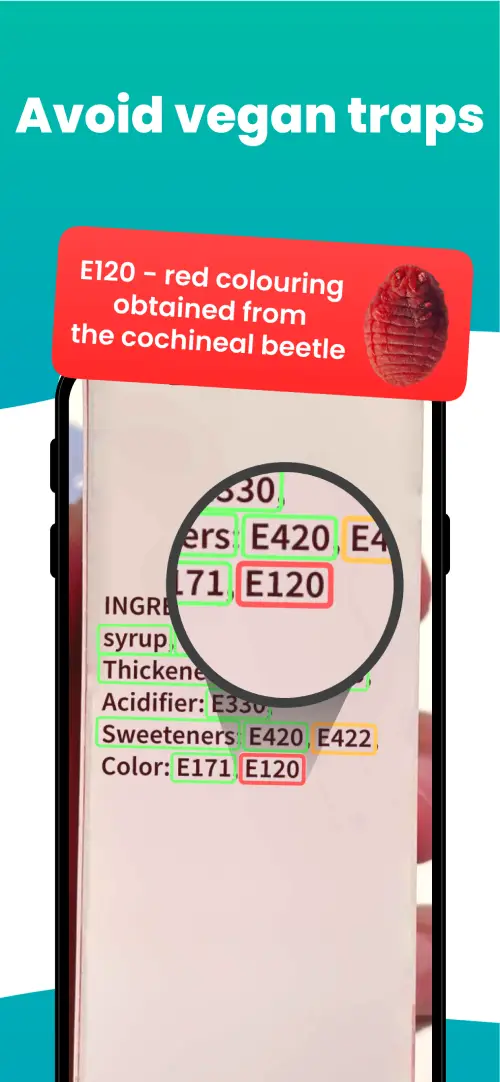
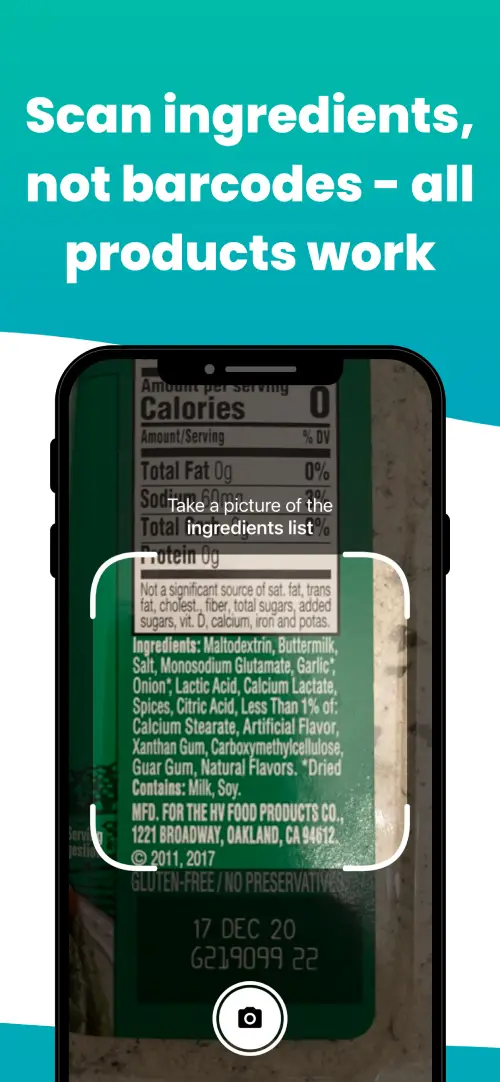
We've built a vegan ingredients scanner that classifies food ingredients as "vegan", "non-vegan", or "potentially vegan".
It allows you to avoid non-vegan ingredients - just take a picture of a product's ingredient list, and the app tells you if the product is vegan or not.



Check out other ingredients:
Is coconut wax vegan?Is mixed plant-based wax vegan?Is lotus floral wax vegan?Is lotus wax vegan?Is baobab oil vegan?Is rose wax vegan?Is theobroma grandiflorum seed butter vegan?Is helianthus annuus seed cera vegan?Are potato granules vegan?Is oryza sativa cera vegan?Is salt and vinegar flavour vegan?Is p-anisic acid vegan?
We'll never send you spam.