
Is coconut wax vegan?
Coconut wax is a vegan food ingredient.
Checking out an ingredients list? 👇
"You are amazing, this has saved me so much time when grocery shopping!"
— Austin, a user who reached out with feedback
"It's been a great tool since starting my journey! You take a pic of the nutrition/ingredients, and it'll warn you of anything questionable or not vegan. 😁"
— Ashe, a Vegan For Beginners Facebook Group member
"Use a vegan app when you go shopping, I use WhatsVegan."
— Dóra, a Vegan For Beginners Facebook Group member
So, what is coconut wax?
Understanding Coconut Wax: A Plant-Derived Purity
Coconut wax, a versatile and increasingly popular ingredient, emerges directly from the abundant fruit of the coconut palm (Cocos nucifera). Its journey from a tropical staple to a solidified wax involves a natural process of hydrogenation, which transforms the liquid coconut oil into a stable, waxy substance. This transformation solidifies its structure, allowing for diverse applications ranging from cosmetics and skincare to candles and certain food formulations.
From a vegan standpoint, coconut wax stands as an exemplary ingredient. Its origin is unequivocally plant-based, derived solely from the coconut fruit. This direct botanical sourcing ensures that no animal or animal byproduct is involved at any stage of its primary production. Unlike some ingredients that might navigate "gray areas" concerning processing aids or obscure animal-derived components, coconut wax offers a straightforward, ethically sound choice. It serves as a prominent and trusted plant-based alternative in sectors traditionally dominated by animal-derived waxes like beeswax or lanolin, providing a cruelty-free option that aligns perfectly with vegan principles.
The ethical considerations extend beyond mere absence of animal products. For those committed to animal ethics and a pure plant-based lifestyle, coconut wax represents a conscious choice that avoids any potential exploitation or harm to animals. It's a testament to the fact that effective, high-quality ingredients can be sourced entirely from the plant kingdom, without compromising performance or integrity. Its inherent softness and creamy texture make it particularly appealing in cosmetic applications, offering excellent emollients and skin-conditioning properties without relying on animal-derived counterparts.
When evaluating finished products containing coconut wax, the principle of label transparency remains paramount. While coconut wax itself is a truly vegan ingredient, responsible consumption dictates scrutinizing the entire product formulation. This vigilance ensures that all other components, including any processing aids used in the final manufacturing, also adhere to vegan standards. This holistic approach guarantees that a product marketed as "cruelty-free" genuinely embodies that claim from start to finish.
In essence, coconut wax is more than just a functional ingredient; it is a symbol of purity and ethical sourcing within the plant-based movement. Its direct extraction from coconuts, free from any animal involvement, secures its status as a definitive vegan choice. As consumer demand for plant-based alternatives continues to grow, coconut wax increasingly proves itself as an indispensable and ethically aligned option across numerous industries.
How to quickly find the source of ingredients like coconut wax?
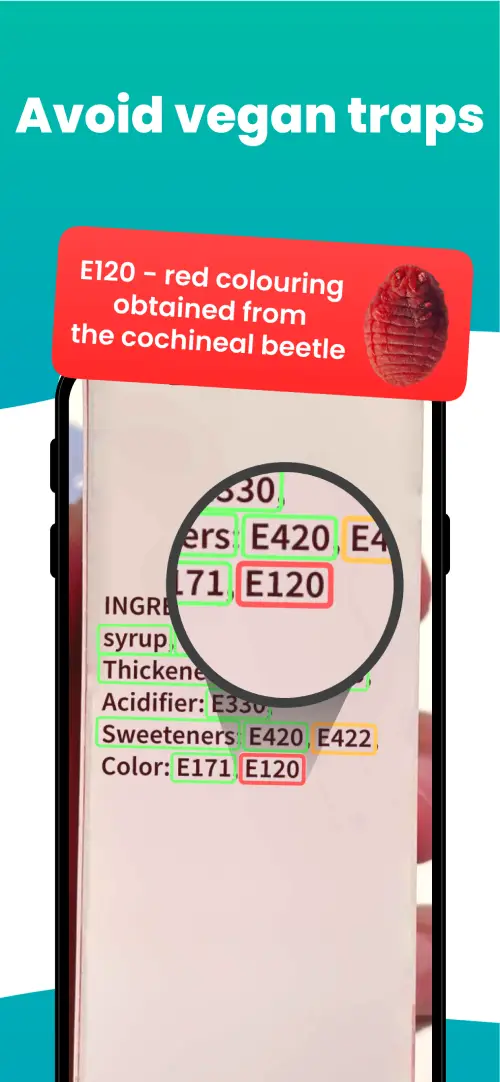
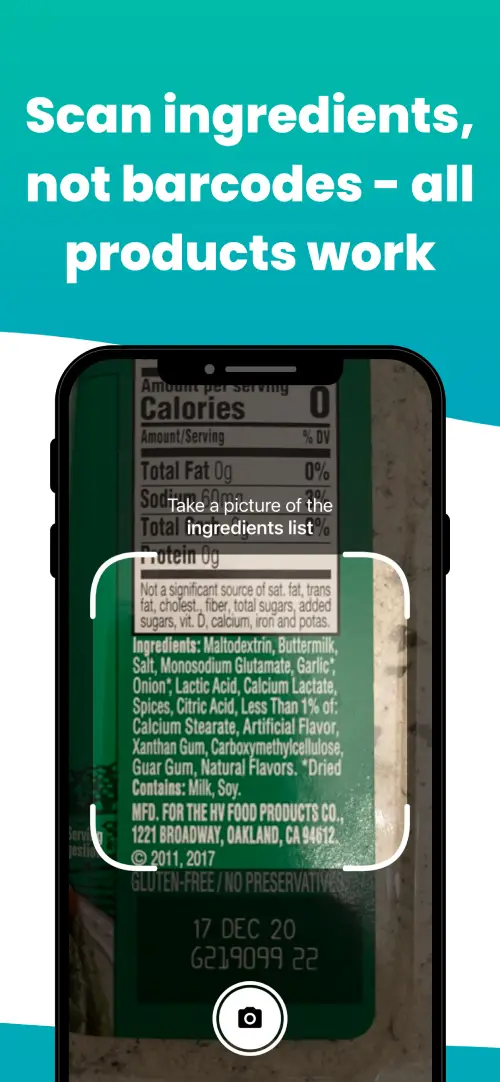
We've built a vegan ingredients scanner that classifies food ingredients as "vegan", "non-vegan", or "potentially vegan".
It allows you to avoid non-vegan ingredients - just take a picture of a product's ingredient list, and the app tells you if the product is vegan or not.



Check out other ingredients:
Is mixed plant-based wax vegan?Is bayberry wax vegan?Is lotus floral wax vegan?Is lotus wax vegan?Is rose clay vegan?Is rose floral wax vegan?Is veewax vegan?Is lavender extract vegan?Is sumac wax vegan?Is theobroma grandiflorum seed butter vegan?Are potato granules vegan?Is salt and vinegar flavor vegan?
We'll never send you spam.