
Is salt and vinegar flavour vegan?
Salt and vinegar flavour is a vegan food ingredient.
Checking out an ingredients list? 👇
"You are amazing, this has saved me so much time when grocery shopping!"
— Austin, a user who reached out with feedback
"It's been a great tool since starting my journey! You take a pic of the nutrition/ingredients, and it'll warn you of anything questionable or not vegan. 😁"
— Ashe, a Vegan For Beginners Facebook Group member
"Use a vegan app when you go shopping, I use WhatsVegan."
— Dóra, a Vegan For Beginners Facebook Group member
So, what is salt and vinegar flavour?
Decoding the Tang of Salt and Vinegar
The distinctive, mouth-puckering zest of salt and vinegar flavour is a beloved profile, especially prominent in the realm of crisps and snack foods. For those navigating a vegan lifestyle, understanding the origins and composition of such an ubiquitous flavour is crucial for aligning consumption with deeply held ethical principles. Thankfully, the core essence of this sharp, savoury combination is fundamentally aligned with a plant-based ethos.
Vegan Status: Vegan
Salt and vinegar flavour, by its very nature and typical formulation, is squarely a vegan ingredient. Its characteristic tang and salty notes are readily achievable through components entirely free from animal products or byproducts. This makes it a consistently reliable choice for those seeking cruelty-free options, and it frequently features as a standard "plant-based alternative" in snack aisles globally.
To understand why this is the case, we dissect its primary constituents:
The Salt Component: This element is straightforward. Salt, predominantly sodium chloride, is a naturally occurring mineral compound. It is extracted from sea water or geological deposits and undergoes minimal processing to become the familiar seasoning we use. As a mineral, salt is inherently vegan, posing no ethical concerns regarding animal exploitation or derivatives.
The Vinegar Component: True vinegar is produced through the fermentation of ethanol by acetic acid bacteria, yielding acetic acid, the compound responsible for its signature sourness. Sources for the initial ethanol are typically grains (like barley, wheat, or corn), fruits (like apples), or wine. All these starting materials are plant-derived.
In flavour applications, vinegar is often used in a dried, powdered form, such as sodium diacetate (a salt of acetic acid), or through direct application of other food acids like citric acid (derived from citrus fruits through fermentation) and malic acid (found naturally in apples). These acids are key to delivering the powerful, sharp tang associated with vinegar. Each of these components, from the fermentable sugars to the resulting acids, are of plant or microbial origin and are entirely vegan.
The Nuance of "Flavouring": A Vegan Scientist's Perspective
While the primary salt and acid components are unequivocally vegan, the term "flavouring" can sometimes raise questions for the discerning vegan consumer. The broader category of "natural flavourings" or "flavourings" can, in other contexts, include animal-derived constituents (like certain enzymes, extracts, or carriers). However, for the specific profile of "salt and vinegar," animal-derived ingredients are neither necessary nor traditionally employed to achieve the desired sensory experience. The flavour profile relies on a precise balance of acidity and salinity, often enhanced with plant-derived carriers like maltodextrin (from corn or potato starch) and anti-caking agents, which are also vegan.
From an animal ethics standpoint, salt and vinegar flavour represents a pure and direct expression of taste derived from non-animal sources. There is no historical or current industry standard that necessitates the use of animal products to create this particular flavour. Its prevalence in vegan-friendly products underscores its inherent compatibility with a cruelty-free lifestyle.
Consumers seeking absolute assurance should always look for explicit "vegan certified" labels on products. This ensures not only that the ingredients themselves are free from animal components but also often addresses concerns around shared processing equipment or potential cross-contamination, further upholding principles of purity and label transparency. The ubiquitous appeal of salt and vinegar flavour stands as a testament to the fact that profound, satisfying tastes can be crafted with absolute fidelity to plant-based ingredients and animal welfare.
How to quickly find the source of ingredients like salt and vinegar flavour?
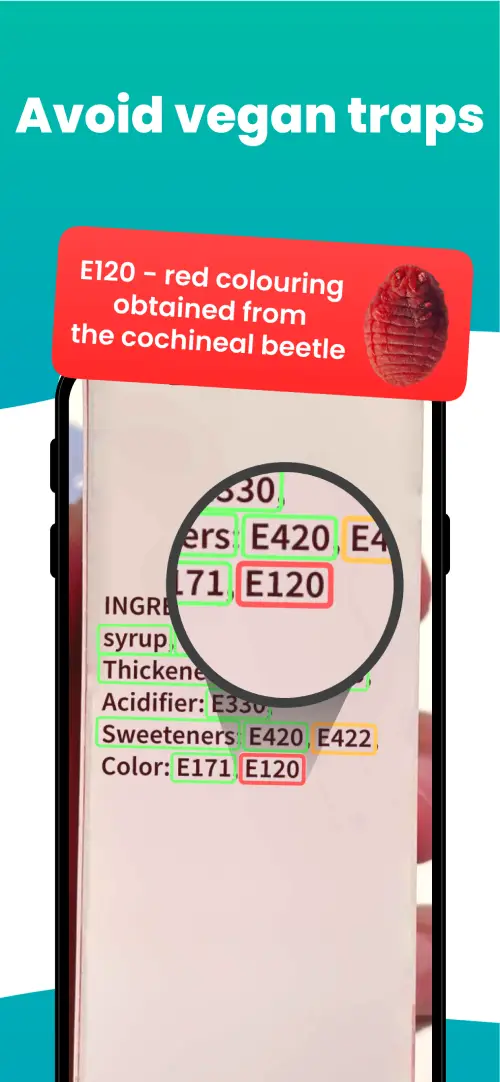
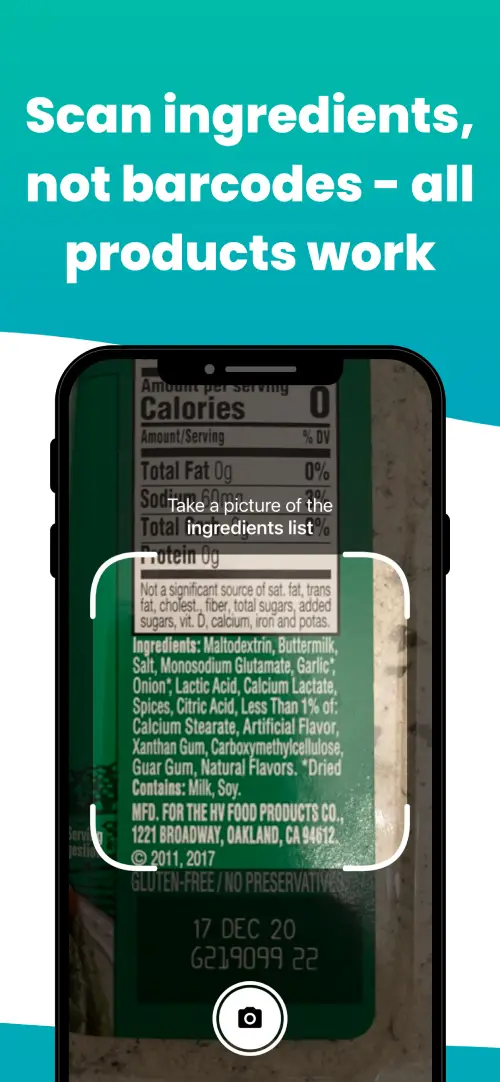
We've built a vegan ingredients scanner that classifies food ingredients as "vegan", "non-vegan", or "potentially vegan".
It allows you to avoid non-vegan ingredients - just take a picture of a product's ingredient list, and the app tells you if the product is vegan or not.



Check out other ingredients:
Is p-anisic acid vegan?Is salt and vinegar flavor vegan?Is seed and topping mix vegan?Are potato granules vegan?Are whole flaxseeds vegan?Is veewax vegan?Are brown sesame seeds vegan?Is coarse sea salt vegan?Is rose floral wax vegan?Is acerola cherry powder vegan?Is lotus wax vegan?Are red & green peppers vegan?
We'll never send you spam.