
Is benzophenone-1 vegan?
Benzophenone-1 is a vegan food ingredient.
Checking out an ingredients list? 👇
"You are amazing, this has saved me so much time when grocery shopping!"
— Austin, a user who reached out with feedback
"It's been a great tool since starting my journey! You take a pic of the nutrition/ingredients, and it'll warn you of anything questionable or not vegan. 😁"
— Ashe, a Vegan For Beginners Facebook Group member
"Use a vegan app when you go shopping, I use WhatsVegan."
— Dóra, a Vegan For Beginners Facebook Group member
So, what is benzophenone-1?
Understanding Benzophenone-1: A Vegan Ingredient Perspective
In the meticulous world of ingredient sourcing and formulation, particularly for the discerning vegan consumer, every component demands scrutiny. One such ingredient that occasionally surfaces in product specifications is benzophenone-1. As a synthetic compound primarily valued for its ultraviolet (UV) light absorbing properties, understanding its origin and ethical standing is crucial for anyone committed to a plant-based lifestyle.
Benzophenone-1 is a man-made organic chemical compound. Its primary function is to protect products from UV radiation, which can cause degradation, discoloration, or a loss of efficacy over time. You'll commonly find it in products like sunscreens, cosmetics, plastics, and coatings, where maintaining stability and extending shelf life is paramount.
From a vegan standpoint, the status of benzophenone-1 is straightforward: it is Vegan. The "why" behind this status is rooted in its chemical synthesis. Benzophenone-1 is manufactured through a series of chemical reactions in a laboratory or industrial setting, using non-animal precursors. There are no animal-derived raw materials, byproducts, or processing aids involved in its chemical structure or typical production pathway. This means it aligns perfectly with the ethical purity sought by those adhering to animal ethics and a plant-based existence.
While not a direct "plant-based alternative" to an animal-derived ingredient (as it doesn't replace something like gelatin or beeswax), its synthetic nature means it readily integrates into formulations designed to be entirely plant-derived and free from animal inputs. For a brand aiming for "cruelty-free" certification, utilizing ingredients like benzophenone-1 allows them to protect their products without compromising their commitment to animal welfare.
For the vegan consumer, this transparency around synthetic ingredients is vital. When we examine labels, we look for clarity, and knowing that a UV absorber like benzophenone-1 is chemically synthesized provides reassurance. This kind of ingredient contributes to the longevity and quality of products — be it a vegan cosmetic or the packaging for a plant-based food item — without relying on any animal exploitation. The integrity of the product is preserved through scientific innovation, not animal contribution.
Ultimately, benzophenone-1 represents a category of ingredients that, while not sourced from plants themselves, are manufactured in a way that respects vegan principles. It underscores the potential for chemical science to provide functional solutions that are fully compatible with an ethical, plant-forward lifestyle, reinforcing the importance of diligent "label transparency" for consumers seeking truly vegan and cruelty-free options across their entire consumption spectrum.
How to quickly find the source of ingredients like benzophenone-1?
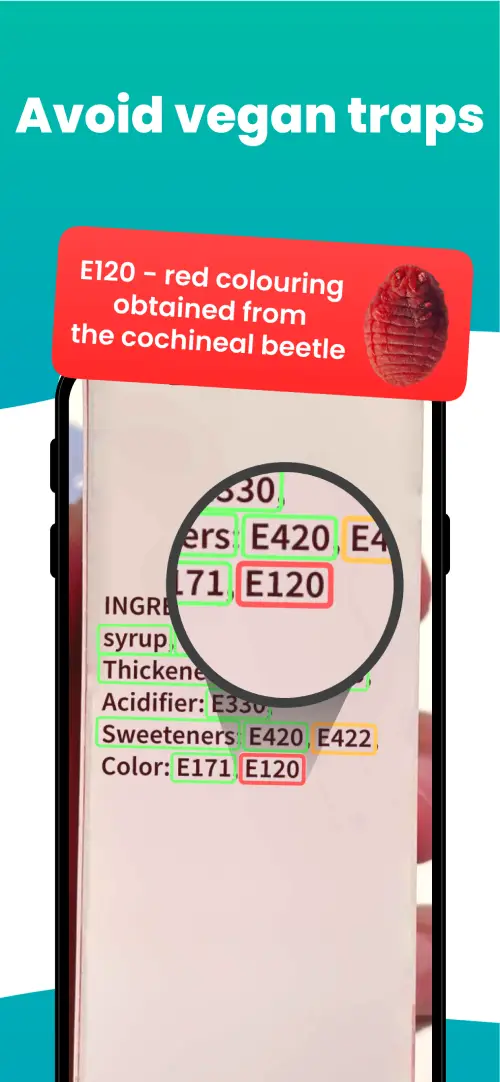
We've built a vegan ingredients scanner that classifies food ingredients as "vegan", "non-vegan", or "potentially vegan".
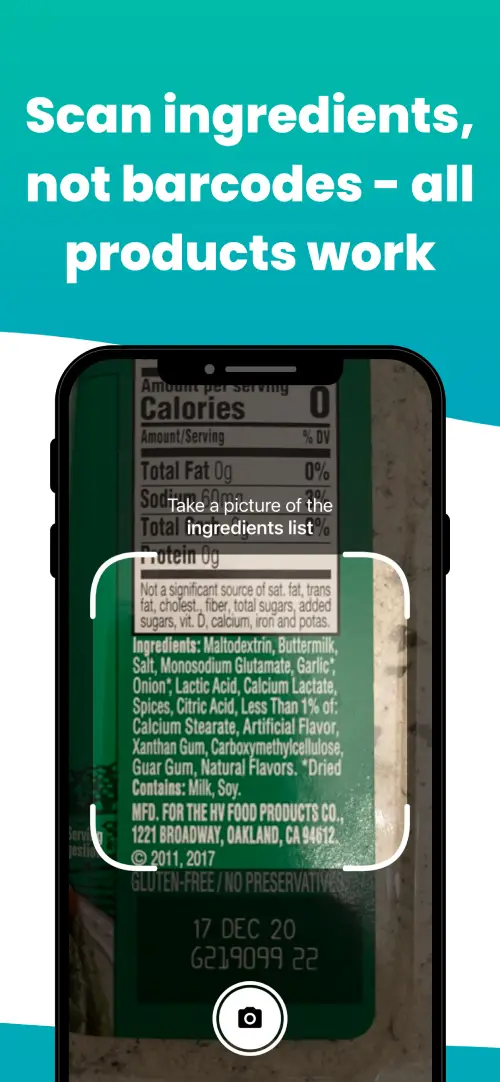
It allows you to avoid non-vegan ingredients - just take a picture of a product's ingredient list, and the app tells you if the product is vegan or not.



Check out other ingredients:
Is hydroxybenzophenone vegan?Is benzophenone-3 vegan?Is spice vegan?Is benzophenone-4 vegan?Is pickled red pepper vegan?Is behentrimonium methosulfate vegan?Is benzophenone-8 vegan?Is ceramide 9 vegan?Is benzophenone-9 vegan?Is ceramide nh vegan?Is ceramide 8 vegan?Are epoisses vegan?
We'll never send you spam.