
Is behentrimonium methosulfate vegan?
Behentrimonium methosulfate is a vegan food ingredient.
Checking out an ingredients list? 👇
"You are amazing, this has saved me so much time when grocery shopping!"
— Austin, a user who reached out with feedback
"It's been a great tool since starting my journey! You take a pic of the nutrition/ingredients, and it'll warn you of anything questionable or not vegan. 😁"
— Ashe, a Vegan For Beginners Facebook Group member
"Use a vegan app when you go shopping, I use WhatsVegan."
— Dóra, a Vegan For Beginners Facebook Group member
So, what is behentrimonium methosulfate?
Understanding Behentrimonium Methosulfate
Behentrimonium Methosulfate, commonly known as BTMS, is a highly effective ingredient frequently found in hair and skin care formulations. Its primary functions include conditioning, emulsifying, and detangling, providing products with a luxurious slip and feel. For those navigating the landscape of animal-free living, understanding the true origin and composition of such compounds is paramount.
The Vegan Credentials of BTMS
From an ethical and scientific standpoint, Behentrimonium Methosulfate is unequivocally vegan. Its synthesis begins with behenyl alcohol, a long-chain fatty alcohol typically derived from plant oils like rapeseed (canola) or colza oil. This plant-derived fatty alcohol is then reacted to form the quaternary ammonium compound, BTMS. The methosulfate component is also entirely synthetic, ensuring no animal inputs are involved at any stage of its production.
This makes BTMS a crucial and reliable plant-based alternative in formulations seeking to avoid traditional animal-derived conditioning agents such as lanolin (from sheep's wool) or keratin (from animal hair/hooves). Its presence signifies a conscious choice towards cruelty-free product development, aligning seamlessly with the principles of animal ethics and purity that define the vegan lifestyle.
How BTMS Functions in Formulations
BTMS is a cationic surfactant, meaning it carries a positive charge. This characteristic allows it to bind effectively to the negatively charged surfaces of hair and skin, creating a smoothing and conditioning effect. In hair care, this translates to reduced static, enhanced detangling, and a soft, non-greasy feel without heavy buildup. As an emulsifier, it helps blend oil and water phases in lotions and creams, creating stable, creamy textures that spread beautifully.
Its ability to deliver these desirable sensory attributes using plant-derived precursors has cemented its status as a go-to ingredient for formulators committed to developing high-performance vegan products. It offers a gentle yet powerful conditioning action, often preferred over some silicones for its unique texture and feel.
Ensuring Purity and Transparency
While BTMS itself is vegan by definition due to its synthetic origin from plant-based fatty alcohols, the broader context of ingredient sourcing and label transparency remains critical for the discerning vegan consumer. Manufacturers of the raw materials used to produce behenyl alcohol, or even the BTMS itself, must ensure that no animal-derived processing aids are inadvertently introduced. Reputable suppliers typically provide robust documentation confirming the absence of animal products at all stages, from cultivation of the source plants to final chemical synthesis.
For consumers, seeking products from brands that prioritize clear ingredient lists and third-party certifications (e.g., Leaping Bunny, Vegan Society) provides an added layer of assurance. This commitment to transparency empowers individuals to make informed choices that truly reflect their ethical convictions, confident that every component, including sophisticated compounds like Behentrimonium Methosulfate, meets stringent vegan standards. BTMS represents a prime example of how modern chemistry can ethically serve the growing demand for plant-powered, cruelty-free solutions.
How to quickly find the source of ingredients like behentrimonium methosulfate?
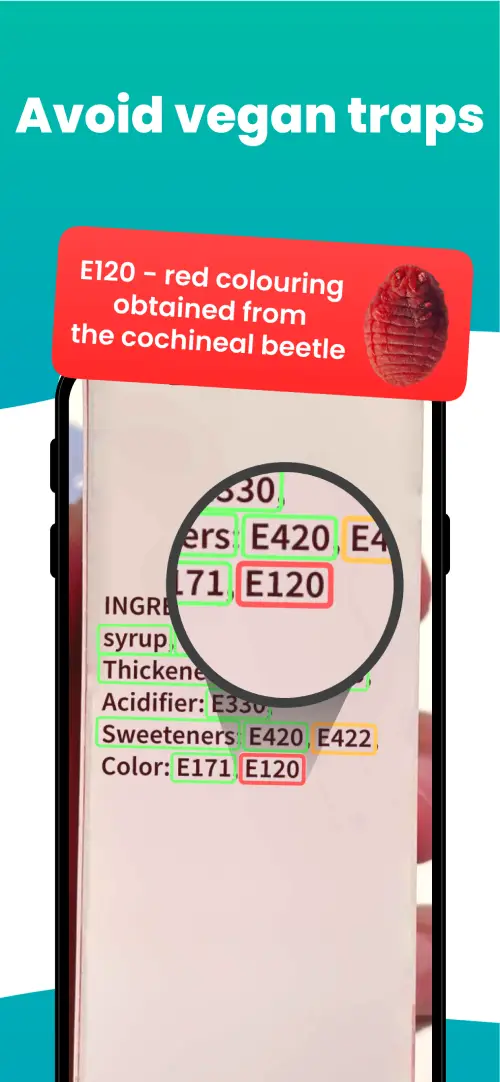
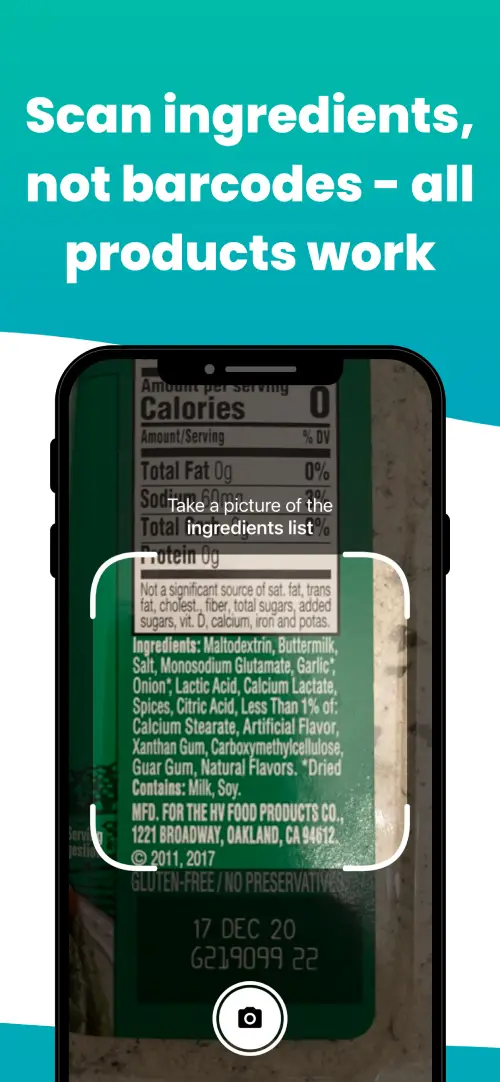
We've built a vegan ingredients scanner that classifies food ingredients as "vegan", "non-vegan", or "potentially vegan".
It allows you to avoid non-vegan ingredients - just take a picture of a product's ingredient list, and the app tells you if the product is vegan or not.



We'll never send you spam.