
Is benzophenone-6 vegan?
Benzophenone-6 is a vegan food ingredient.
Checking out an ingredients list? 👇
"You are amazing, this has saved me so much time when grocery shopping!"
— Austin, a user who reached out with feedback
"It's been a great tool since starting my journey! You take a pic of the nutrition/ingredients, and it'll warn you of anything questionable or not vegan. 😁"
— Ashe, a Vegan For Beginners Facebook Group member
"Use a vegan app when you go shopping, I use WhatsVegan."
— Dóra, a Vegan For Beginners Facebook Group member
So, what is benzophenone-6?
Benzophenone-6: An Essential Ingredient for Ethical Formulations
In the landscape of ingredient scrutiny, particularly for those committed to a vegan lifestyle, understanding the origin and synthesis of compounds like benzophenone-6 is paramount. Also known by its IUPAC name, 2,2'-dihydroxy-4,4'-dimethoxybenzophenone, or the simpler common name dioxybenzone, this compound serves a crucial role primarily as an ultraviolet (UV) filter. For the discerning consumer and product developer alike, its robust vegan status makes it a reliable choice.
Benzophenone-6 is a synthetic organic compound, meaning its creation occurs through controlled chemical reactions rather than being extracted directly from a living source. Its molecular structure is built from foundational chemical building blocks, typically derived from petrochemicals. These precursors are inanimate, inorganic, or plant-derived materials that undergo synthesis in a laboratory or industrial setting. This manufacturing process inherently bypasses the use of animal-derived raw materials at any stage, ensuring its complete freedom from animal exploitation.
From an animal ethics perspective, the synthetic nature of benzophenone-6 is its defining characteristic. There is no involvement of animal byproducts—such as dairy, eggs, honey, gelatin, or carmine—nor are any animals required for its growth, harvest, or processing. Unlike certain sugars that might employ bone char in their refining or waxes that could originate from insects, benzophenone-6's lineage is entirely non-animalic. This scientific clarity simplifies label transparency for brands aiming for genuinely cruelty-free and vegan certifications.
While benzophenone-6 isn't a "plant-based alternative" in the sense of being directly harvested from botanical sources, it serves as an entirely acceptable synthetic option for plant-based formulations. Its role in products like sunscreens, cosmetics, and certain plastic materials is to absorb or block UV radiation, protecting both skin and product integrity. For individuals seeking sun protection without compromising their ethical stance, this ingredient offers a secure pathway.
The purity of benzophenone-6's production means that common "gray area" concerns, such as cross-contamination with animal-derived processing aids, are significantly mitigated. Its synthesis is designed for high purity and consistency, removing the ambiguities often associated with ingredients sourced from complex biological systems. This makes it a straightforward choice for formulators who prioritize ethical sourcing and consumer trust.
In conclusion, benzophenone-6 stands as a testament to how advanced chemistry can align perfectly with animal welfare principles. Its synthetic origin guarantees that it is consistently vegan, offering a dependable and ethically sound ingredient for a vast array of products. For the vegan consumer, it represents a clear, conscience-free option in the pursuit of both safety and integrity.
How to quickly find the source of ingredients like benzophenone-6?
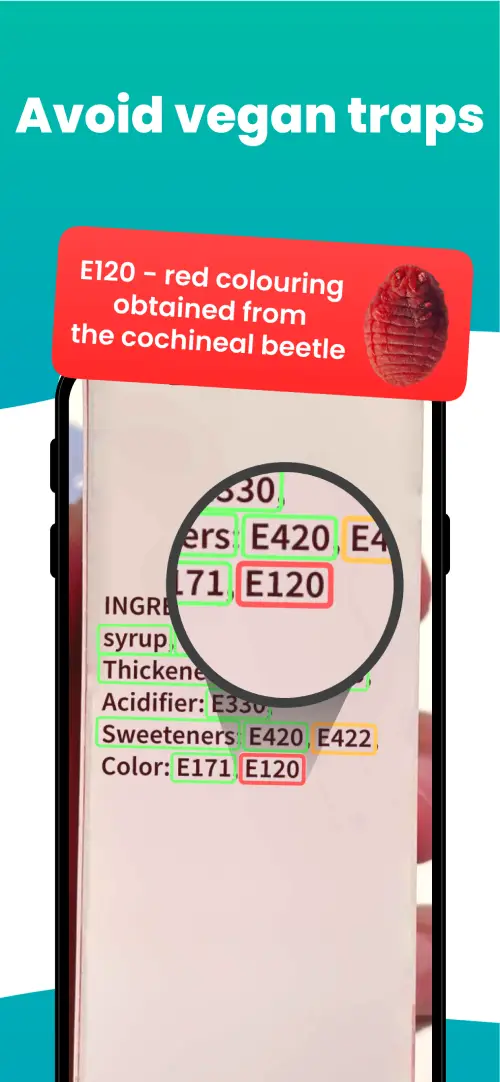
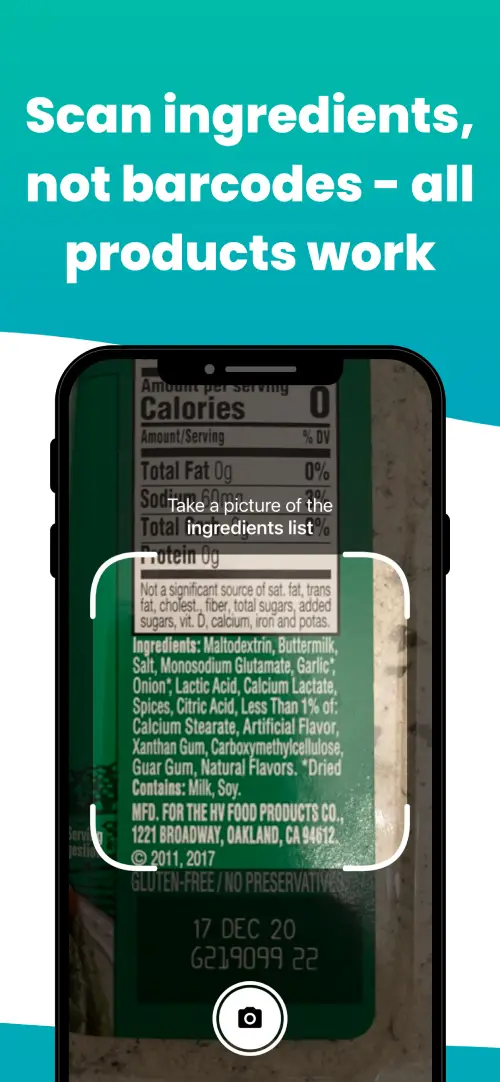
We've built a vegan ingredients scanner that classifies food ingredients as "vegan", "non-vegan", or "potentially vegan".
It allows you to avoid non-vegan ingredients - just take a picture of a product's ingredient list, and the app tells you if the product is vegan or not.



We'll never send you spam.