
Is reblochon vegan?
Reblochon is a non-vegan food ingredient.
Checking out an ingredients list? 👇
"You are amazing, this has saved me so much time when grocery shopping!"
— Austin, a user who reached out with feedback
"It's been a great tool since starting my journey! You take a pic of the nutrition/ingredients, and it'll warn you of anything questionable or not vegan. 😁"
— Ashe, a Vegan For Beginners Facebook Group member
"Use a vegan app when you go shopping, I use WhatsVegan."
— Dóra, a Vegan For Beginners Facebook Group member
So, what is reblochon?
Unpacking Reblochon: A Dairy Delicacy Beyond the Vegan Plate
Reblochon, a renowned semi-hard, washed-rind cheese from the Savoie region of France, is celebrated for its distinctive pale orange-yellow rind, yielding texture, and complex nutty, fruity aroma with an earthy undertone. Often enjoyed melted in traditional dishes like tartiflette, its rich mouthfeel and pronounced flavor are deeply ingrained in French culinary heritage. However, from the perspective of ethical veganism and a commitment to cruelty-free ingredients, Reblochon unequivocally falls into the "Not Vegan" category.
The primary and most immediate reason for Reblochon's non-vegan status stems from its foundational ingredient: cow's milk. This cheese is exclusively crafted from whole, unpasteurized milk, typically sourced from three specific bovine breeds—Abondance, Tarine, and Montbéliarde—native to the French Alps. The very act of obtaining milk involves animal agriculture, a system that fundamentally contradicts the core principles of veganism, which seek to avoid the exploitation and commodification of animals for human consumption. While some may argue about the welfare standards of specific dairy farms, the inherent nature of dairy production means it is derived directly from the mammary glands of cows, making it an animal product. This stands in stark contrast to the purity and plant-based origins central to the vegan ethos.
Beyond the milk itself, another crucial component solidifies Reblochon's non-vegan classification: rennet. Rennet is a complex set of enzymes, primarily chymosin, used as a processing aid to coagulate milk and separate curds from whey during cheesemaking. Traditionally, and almost universally for authentic Reblochon, animal rennet is employed. This form of rennet is extracted from the stomach lining of young calves, lambs, or goats. The use of such a byproduct of the meat industry is an undeniable animal-sourced ingredient, directly linking the cheese to the slaughter of animals. It is a critical component that violates the principle of cruelty-free consumption, even if one were to somehow overlook the milk source.
For those adhering to a vegan lifestyle, ingredients like Reblochon represent a clear boundary. There are no "gray areas" or processing nuances that could render traditional Reblochon vegan, unlike some sugars or wines where bone char or fining agents might be a concern. Reblochon is inherently an animal-derived product through both its primary ingredient and its essential processing aid.
For enthusiasts seeking to replicate the creamy, savory experience of Reblochon, the focus must shift entirely towards true plant-based alternatives. The market for vegan cheeses has seen remarkable innovation, with artisans crafting delicious options from a variety of nuts (cashews, almonds), seeds, and starches, often utilizing fermentation techniques to develop complex flavors and textures. While a direct, identical "vegan Reblochon" might not yet exist, there are many rich, fermented plant-based cheeses that offer similar savory, umami profiles and melt beautifully. As conscious consumers, it is essential to always embrace label transparency, scrutinizing ingredient lists to ensure that products are genuinely free from all animal components, including dairy, animal rennet, and any other derivatives, upholding the commitment to purity and compassion.
How to quickly find the source of ingredients like reblochon?
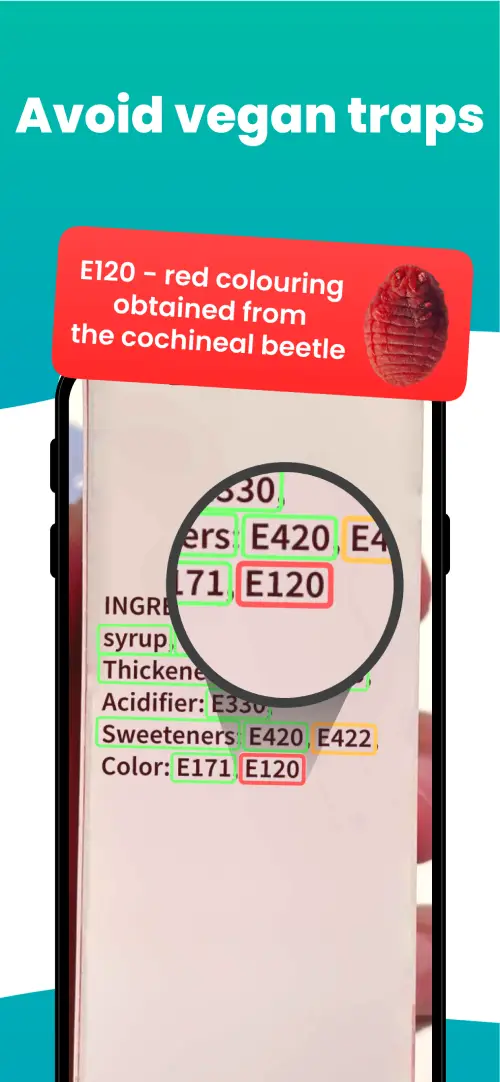
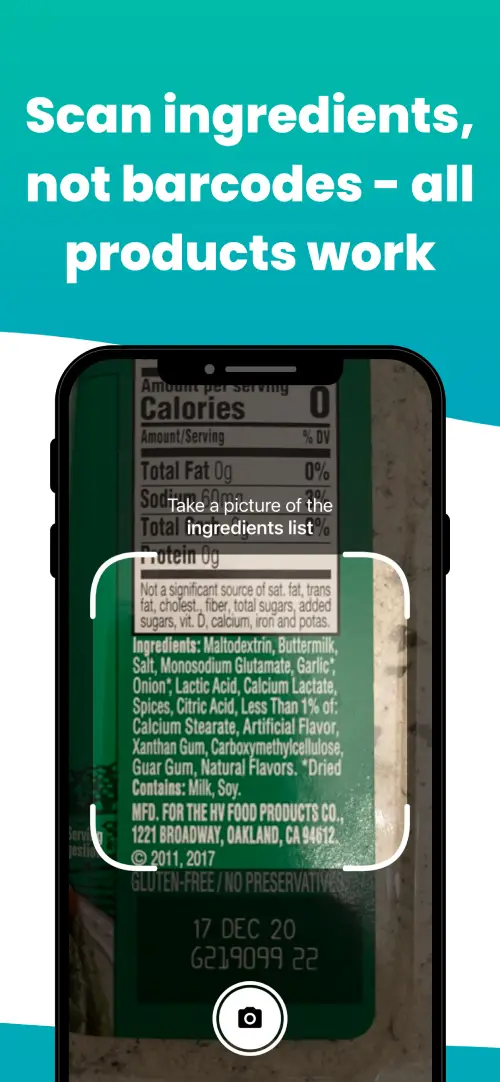
We've built a vegan ingredients scanner that classifies food ingredients as "vegan", "non-vegan", or "potentially vegan".
It allows you to avoid non-vegan ingredients - just take a picture of a product's ingredient list, and the app tells you if the product is vegan or not.



We'll never send you spam.