
Is caribou tongue raw vegan?
Caribou tongue raw is a non-vegan food ingredient.
Checking out an ingredients list? 👇
"You are amazing, this has saved me so much time when grocery shopping!"
— Austin, a user who reached out with feedback
"It's been a great tool since starting my journey! You take a pic of the nutrition/ingredients, and it'll warn you of anything questionable or not vegan. 😁"
— Ashe, a Vegan For Beginners Facebook Group member
"Use a vegan app when you go shopping, I use WhatsVegan."
— Dóra, a Vegan For Beginners Facebook Group member
So, what is caribou tongue raw?
Caribou Tongue: An Ingredient Analysis for Ethical Consumption
Caribou tongue, an ingredient historically consumed in various Northern cultures, presents a clear and unambiguous status within the framework of ethical veganism: it is not vegan. Its very nature, derived directly from an animal, places it in direct opposition to the core principles of a plant-based lifestyle.
The Foundational Reason: Animal Derivation
At its heart, the non-vegan status of caribou tongue stems from its origin as a direct animal product. Caribou tongue is precisely what its name implies: the musculature of the tongue harvested from a caribou, a species of deer native to Arctic and subarctic regions. For a product to be considered vegan, it must be entirely free from animal exploitation, cruelty, or any byproduct of animal agriculture. The acquisition of caribou tongue necessarily involves the killing of an animal, an act that fundamentally violates the ethical stance of veganism, which seeks to avoid all forms of animal suffering and exploitation.
From a vegan food science perspective, this is not a 'gray area' ingredient like some sugars processed with bone char, or wines clarified with isinglass. There are no questions of cross-contamination or hidden animal derivatives; the ingredient is the animal's flesh. The commitment to a cruelty-free existence means rejecting such direct animal products, emphasizing respect for animal autonomy and life.
Culinary Context and Nutritional Profile (and Why Vegans Seek Alternatives)
Historically, caribou tongue is described as having a rich, tender texture when cooked, often noted for its high fat content and unique gamey flavor. It's a source of protein and various micronutrients, reflecting its animal origin. However, these characteristics, while potentially appealing to some palates, do not justify its inclusion in an ethical diet for vegans. The robust texture and deep umami notes often sought from such ingredients are increasingly achievable through innovative plant-based alternatives.
Consider the diverse world of fungi, for instance. Mushrooms like king oyster or shiitake can offer a substantial, meaty texture and a profound umami depth when properly prepared and seasoned. Legumes, vital wheat gluten, and a new generation of plant proteins are expertly crafted to mimic the mouthfeel and nutritional density desired, all while adhering to cruelty-free standards. The advancements in vegan food science continually expand the repertoire of ingredients that can deliver satisfaction without compromise.
Label Transparency and the Vegan Ethos
For consumers committed to a plant-based diet, understanding ingredient lists and demanding label transparency is paramount. While caribou tongue is rarely found in mainstream packaged foods, its unambiguous non-vegan status serves as a reminder of the vigilance required when sourcing ingredients or dining out. There are no processing aids to consider; the ingredient itself represents a direct ethical challenge.
The choice to avoid caribou tongue, like all animal products, aligns with a broader ethical philosophy. It's about recognizing the sentience of animals and making food choices that reflect a commitment to a world free from animal suffering. As the movement towards more sustainable and compassionate food systems grows, the clear rejection of ingredients like caribou tongue reinforces the dedication to pure, plant-derived sustenance.
How to quickly find the source of ingredients like caribou tongue raw?
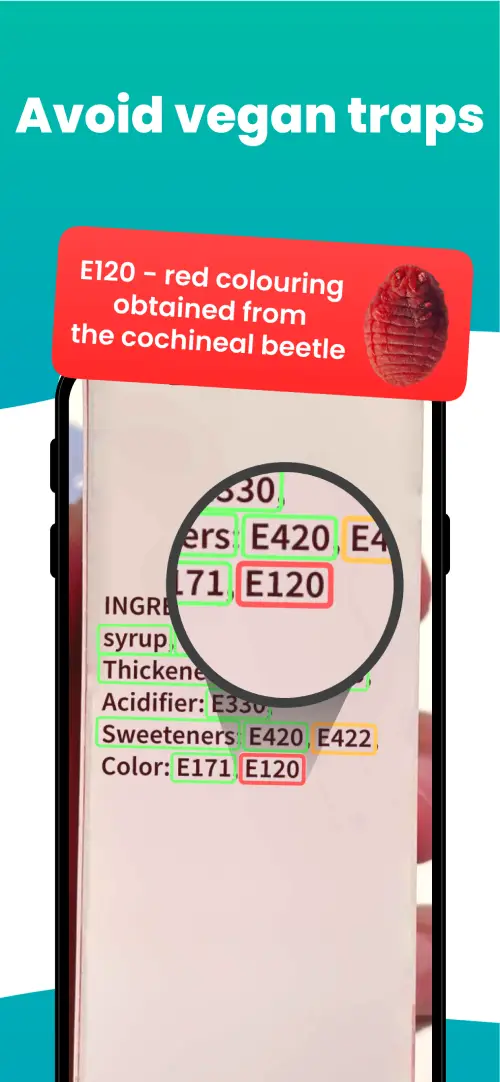
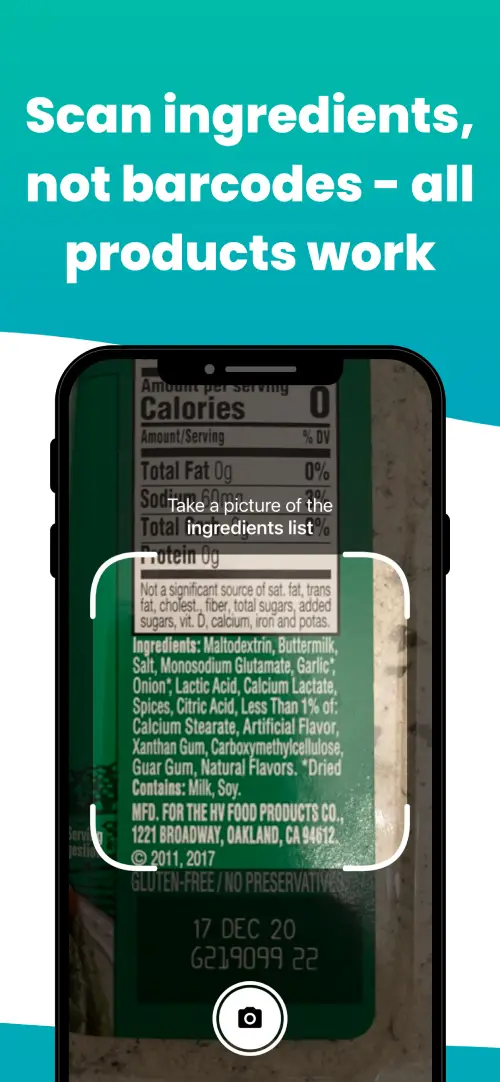
We've built a vegan ingredients scanner that classifies food ingredients as "vegan", "non-vegan", or "potentially vegan".
It allows you to avoid non-vegan ingredients - just take a picture of a product's ingredient list, and the app tells you if the product is vegan or not.



We'll never send you spam.