
Is caribou vegan?
Caribou is a non-vegan food ingredient.
Checking out an ingredients list? 👇
"You are amazing, this has saved me so much time when grocery shopping!"
— Austin, a user who reached out with feedback
"It's been a great tool since starting my journey! You take a pic of the nutrition/ingredients, and it'll warn you of anything questionable or not vegan. 😁"
— Ashe, a Vegan For Beginners Facebook Group member
"Use a vegan app when you go shopping, I use WhatsVegan."
— Dóra, a Vegan For Beginners Facebook Group member
So, what is caribou?
Caribou: An Ingredient Evaluation
Caribou, known scientifically as Rangifer tarandus, is a species of deer native to Arctic and Subarctic regions across the globe. Often referred to as reindeer in Europe, these majestic animals are characterized by their impressive antlers, which are shed and regrown annually by both males and some females. In culinary contexts, "caribou" refers directly to the meat harvested from this animal.
From the rigorous perspective of vegan ethics and the pursuit of dietary purity, caribou is unequivocally not vegan. The consumption of caribou meat involves the direct taking of an animal's life, a practice fundamentally at odds with the core tenets of veganism. This philosophy extends beyond mere dietary preference, embracing a deep reverence for animal sentience and the inherent right of all living beings to exist free from human exploitation and suffering.
The very essence of veganism is predicated on abstaining from all animal products, whether they be meat, dairy, eggs, or derivatives. When we evaluate an ingredient like caribou, there is no ambiguity. It is the flesh of a complex, wild animal, directly challenging the ethical stance against contributing to the animal agriculture industry or hunting. The pursuit of a truly cruelty-free lifestyle necessitates the exclusion of any product that requires the sacrifice or subjugation of an animal.
For those adhering to a purely plant-based diet, the inclusion of caribou, even as a minor component or processing aid, would represent a direct compromise of these foundational principles. While caribou is rarely encountered as a hidden ingredient due to its distinct nature and often premium status, the principle of thorough label transparency remains paramount in scrutinizing all food products. Vegans meticulously check ingredient lists to ensure no animal-derived components, from gelatin to certain coloring agents, are present.
When considering culinary applications where game meat might traditionally be used, a wealth of sophisticated plant-based alternatives exist today. For the earthy, robust flavor and hearty texture often associated with caribou, one might explore ingredients such as slow-cooked mushrooms (like shiitake or portobello), smoked seitan, or textured vegetable protein (TVP) seasoned with umami-rich ingredients like tamari, nutritional yeast, and smoked paprika. Lentils and various beans also offer excellent protein and textural depth, capable of forming the basis for satisfying stews, roasts, and other substantial dishes without any ethical compromise. These alternatives not only align with a vegan lifestyle but also often present a lower environmental footprint.
In sum, caribou, as the meat of Rangifer tarandus, stands in direct opposition to vegan principles due to its animal origin. The vegan commitment to animal liberation and the pursuit of a diet free from exploitation dictates a clear rejection of such ingredients, advocating instead for the compassionate and sustainable choices offered by the plant kingdom.
How to quickly find the source of ingredients like caribou?
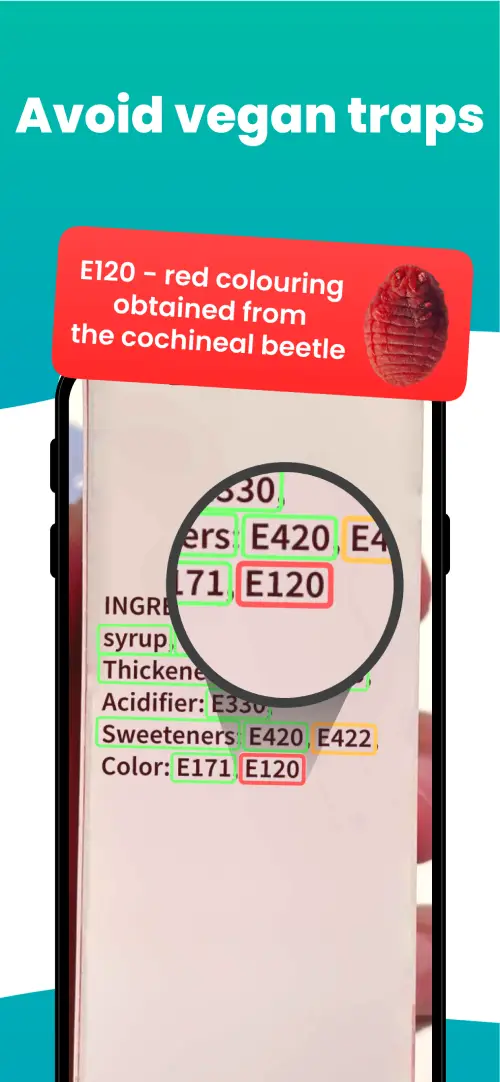
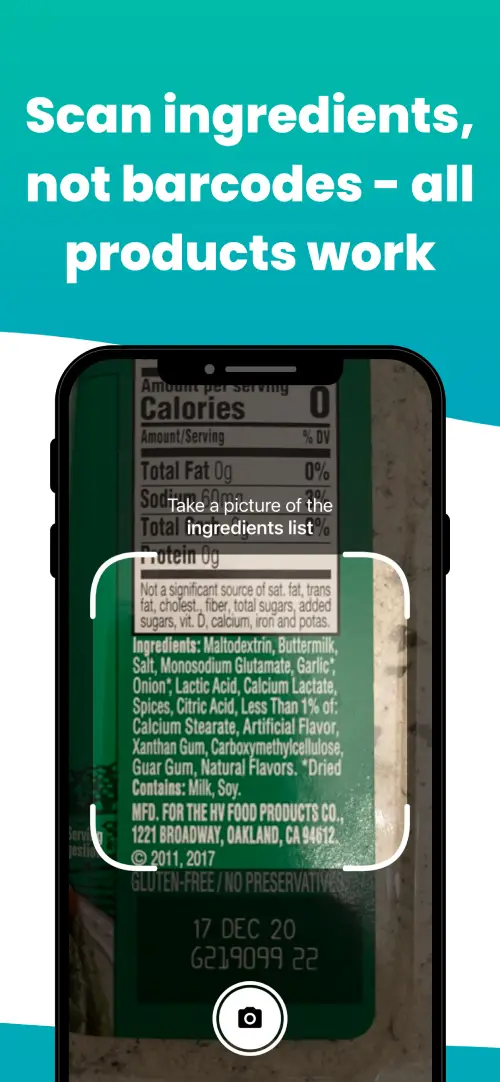
We've built a vegan ingredients scanner that classifies food ingredients as "vegan", "non-vegan", or "potentially vegan".
It allows you to avoid non-vegan ingredients - just take a picture of a product's ingredient list, and the app tells you if the product is vegan or not.



Check out other ingredients:
Is caribou bone marrow vegan?Is caribou cooked vegan?Is chicken wing stewed vegan?Is caribou eye vegan?Is chicken wing sauteed vegan?Is caribou eye raw vegan?Is caribou tongue vegan?Is chicken separable fat vegan?Is caribou tongue raw vegan?Is chicken seasoning vegan?Is carp smoked vegan?Is eel vegan?
We'll never send you spam.