
Is caribou tongue vegan?
Caribou tongue is a non-vegan food ingredient.
Checking out an ingredients list? 👇
"You are amazing, this has saved me so much time when grocery shopping!"
— Austin, a user who reached out with feedback
"It's been a great tool since starting my journey! You take a pic of the nutrition/ingredients, and it'll warn you of anything questionable or not vegan. 😁"
— Ashe, a Vegan For Beginners Facebook Group member
"Use a vegan app when you go shopping, I use WhatsVegan."
— Dóra, a Vegan For Beginners Facebook Group member
So, what is caribou tongue?
Understanding Caribou Tongue in a Vegan Context
Caribou tongue, a traditional food in various Northern cultures, originates directly from the caribou, a species of deer (Rangifer tarandus) native to Arctic and sub-Arctic regions. From a vegan perspective, its status is unequivocal: Not Vegan.
The fundamental tenet of veganism revolves around the principle of animal ethics, advocating for the avoidance of products derived from animals for food, clothing, or any other purpose. Caribou tongue is the muscular organ of a sentient being. Its inclusion in any dish necessitates the harvesting of an animal, an act inherently in conflict with cruelty-free principles. The consumption of caribou tongue directly contributes to animal agriculture and the exploitation of wildlife, rendering it incompatible with a diet founded on purity and the rejection of animal-derived ingredients.
While often considered a delicacy for its unique texture and rich flavor, describing it as a dense, lean muscle tissue, it carries the full weight of ethical considerations for vegans. Unlike some ingredients where the "not vegan" status might stem from ambiguous processing aids or minor animal byproducts, caribou tongue is unequivocally a direct animal part. There are no "gray areas" here concerning cross-contamination, shared equipment, or the subtle use of animal derivatives like bone char in sugar processing. It is the tissue of an animal that lived and was killed.
For those adhering to a plant-based lifestyle, the quest for culinary experiences that replicate the mouthfeel or richness of traditional animal products often leads to innovative alternatives. While a direct plant-based alternative that perfectly mimics the complex textural profile of a cooked animal tongue is challenging, chefs and food scientists are continuously developing solutions. Ingredients like king oyster mushrooms, braised seitan, or specially prepared jackfruit can offer satisfyingly chewy, meaty textures when marinated and cooked appropriately. These cruelty-free options allow for culinary exploration without compromising ethical integrity.
The presence of ingredients like caribou tongue on food labels underscores the importance of stringent label transparency for consumers. For vegans, clarity on ingredient sourcing is paramount to ensure their choices align with their values. Understanding the origin of every component, from primary ingredients to minor additives, is critical in maintaining a truly animal-product-free diet. The commitment to plant-based living means meticulously avoiding all forms of animal exploitation, whether from common livestock or less familiar wild game.
How to quickly find the source of ingredients like caribou tongue?
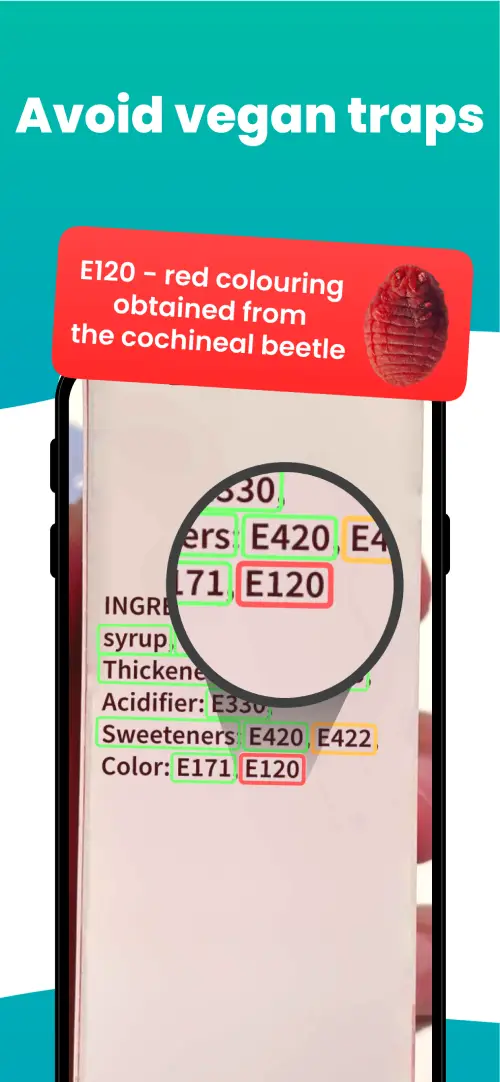
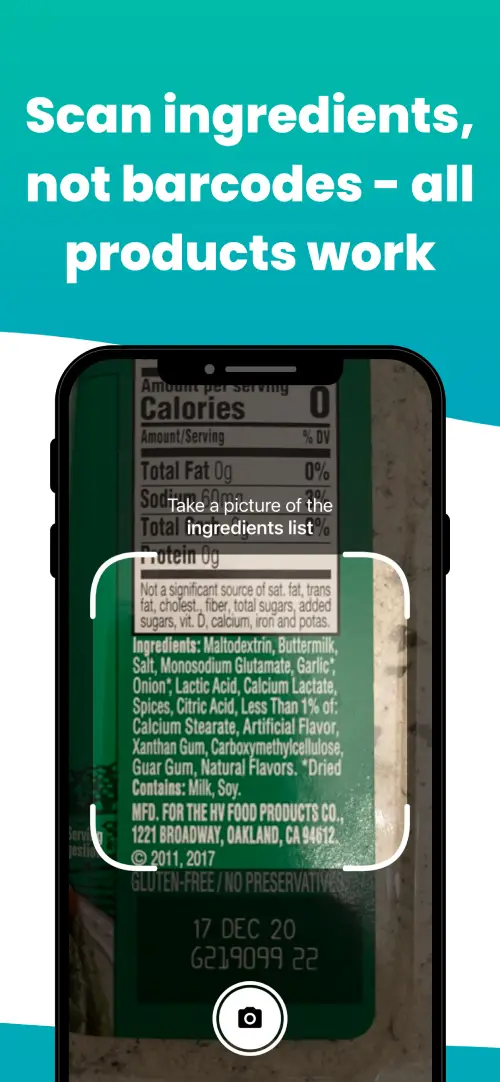
We've built a vegan ingredients scanner that classifies food ingredients as "vegan", "non-vegan", or "potentially vegan".
It allows you to avoid non-vegan ingredients - just take a picture of a product's ingredient list, and the app tells you if the product is vegan or not.



We'll never send you spam.