
Is ceramide 2 vegan?
Ceramide 2 is a vegan food ingredient.
Checking out an ingredients list? 👇
"You are amazing, this has saved me so much time when grocery shopping!"
— Austin, a user who reached out with feedback
"It's been a great tool since starting my journey! You take a pic of the nutrition/ingredients, and it'll warn you of anything questionable or not vegan. 😁"
— Ashe, a Vegan For Beginners Facebook Group member
"Use a vegan app when you go shopping, I use WhatsVegan."
— Dóra, a Vegan For Beginners Facebook Group member
So, what is ceramide 2?
Understanding Ceramide 2: A Deep Dive into Its Vegan Profile
Ceramide 2 stands as a specific type of ceramide, a class of lipid molecules fundamental to the structure and function of various biological systems. Composed of a sphingoid base and a fatty acid, ceramides are widely recognized for their role in barrier function, particularly in skin health. However, as an ingredient, its journey from discovery to modern application carries significant implications for ethical sourcing and purity, particularly within the vegan movement.
From an ethical standpoint, Ceramide 2, when sourced responsibly, is a vegan ingredient. Historically, ceramides were often extracted from animal tissues, such as bovine brain or nerve tissue, due to their rich concentration in these sources. This practice, deeply rooted in animal exploitation, is entirely incompatible with vegan principles. The "why" behind Ceramide 2's current vegan status lies in the significant advancements in biochemical synthesis and fermentation technologies. Modern Ceramide 2 is predominantly produced through lab-controlled synthesis or via biotechnological fermentation processes utilizing microorganisms fed on plant-derived substrates. These methods entirely bypass the need for any animal-derived components, ensuring a cruelty-free ingredient from inception to final product.
The production of vegan Ceramide 2 is a testament to the scientific community's responsiveness to ethical demands. Instead of relying on animal-based extraction, manufacturers synthesize Ceramide 2 using defined chemical precursors or harness microorganisms to create the compound. This makes it a clear example of a plant-based alternative that outperforms its ethically problematic predecessors while maintaining high purity and efficacy. The resulting Ceramide 2 typically presents as a white to off-white, waxy solid or fine powder, odorless and stable, ready for incorporation into a multitude of products.
For consumers and product developers committed to vegan integrity, scrutinizing the entire supply chain is paramount. While the final Ceramide 2 molecule itself is synthetically produced or fermented, it is crucial to ensure that no animal-derived processing aids or excipients are used at any stage of its manufacture. This requires robust label transparency from suppliers, detailing the origin of all components, including catalysts or fermentation media. A truly cruelty-free Ceramide 2 confirms that its entire lifecycle, from raw material to finished ingredient, aligns with the strict ethical standards of veganism, offering peace of mind that no animal has suffered in its creation. This conscious shift in ingredient sourcing reflects a broader commitment within the industry to ethical innovation and meeting the growing demand for pure, uncompromised vegan options.
How to quickly find the source of ingredients like ceramide 2?
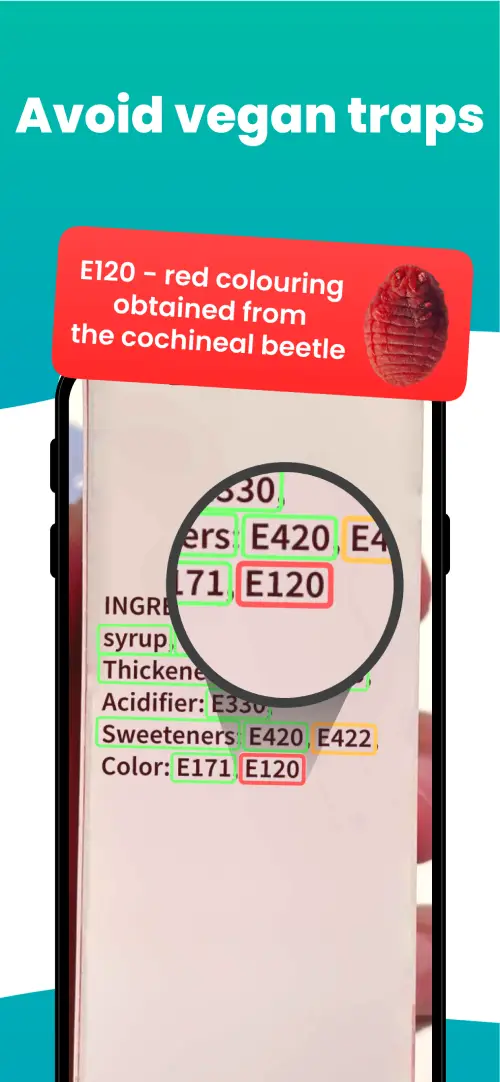
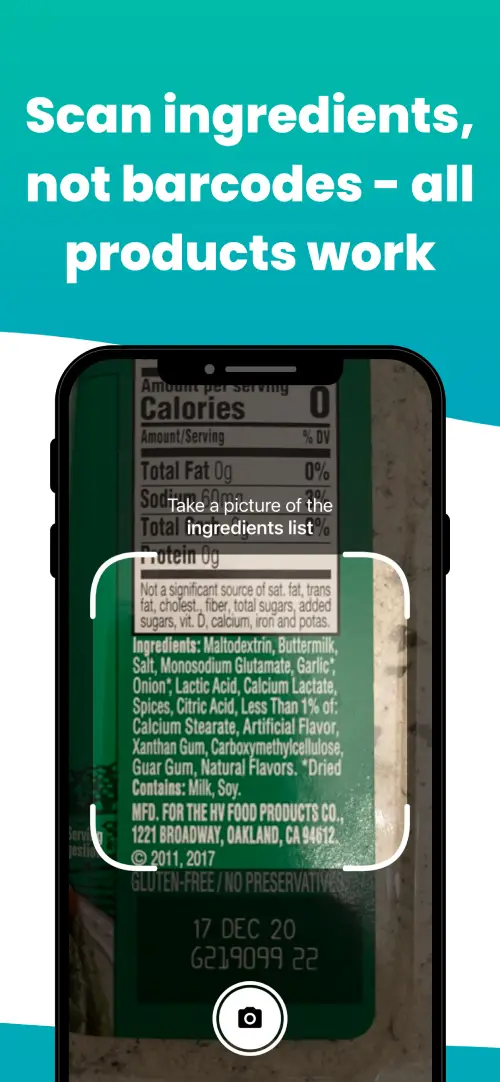
We've built a vegan ingredients scanner that classifies food ingredients as "vegan", "non-vegan", or "potentially vegan".
It allows you to avoid non-vegan ingredients - just take a picture of a product's ingredient list, and the app tells you if the product is vegan or not.



Check out other ingredients:
Are ceramide eos vegan?Is ceramide 1 vegan?Is ceramide np vegan?Is resistant corn maltodextrin vegan?Is nutmeat vegan?Is ceramide eoh vegan?Is sethness 858 vegan?Is ceramide 7 vegan?Is caramel iii vegan?Is ceramide 8 vegan?Is fibres végétales d'oligofructose vegan?Are pois chiches rehydratés vegan?
We'll never send you spam.