
Is cetearyl olivate vegan?
Cetearyl olivate is a vegan food ingredient.
Checking out an ingredients list? 👇
"You are amazing, this has saved me so much time when grocery shopping!"
— Austin, a user who reached out with feedback
"It's been a great tool since starting my journey! You take a pic of the nutrition/ingredients, and it'll warn you of anything questionable or not vegan. 😁"
— Ashe, a Vegan For Beginners Facebook Group member
"Use a vegan app when you go shopping, I use WhatsVegan."
— Dóra, a Vegan For Beginners Facebook Group member
So, what is cetearyl olivate?
In the meticulous world of ingredient formulation, especially within the plant-based sphere, understanding the genesis and processing of every component is paramount. For those committed to an animal-free lifestyle, cetearyl olivate represents a beacon of ethical sourcing and functional excellence. This emulsifier stands as a testament to the sophistication achievable through plant-derived chemistry, confidently earning its status as fully vegan.
Cetearyl olivate is a sophisticated ester formed from the fatty acids of olive oil and cetearyl alcohol. Its primary function in formulations, particularly in foods and personal care, is to stabilize emulsions, blending oil and water phases seamlessly. Beyond its foundational role as an emulsifier, it imparts a desirable smooth texture and a non-greasy feel, elevating the sensory experience of products where it's included. Imagine the creamy mouthfeel in a plant-based dairy alternative or the luxurious glide of a cruelty-free lotion; cetearyl olivate contributes significantly to these tactile qualities.
The definitive vegan status of cetearyl olivate stems directly from its constituent parts and their typical industrial sourcing. Olive oil is unequivocally a plant product, pressed from the fruit of the olive tree, making its fatty acid component inherently vegan. The cetearyl alcohol, the other half of this chemical marriage, is almost universally derived from plant sources such as coconut or palm kernel oil in contemporary production, especially when destined for natural or vegan-certified products. This robust plant origin ensures that no animal fats, animal by-products, or animal-derived processing aids are involved in its synthesis.
For the ethical consumer, cetearyl olivate is not merely an inert ingredient; it’s a deliberate choice. It functions as a superior plant-based alternative to many conventional emulsifiers which might either have ambiguous origins or outright animal-derived components, like certain monoglycerides or lanolin derivatives. The integrity of its source provides peace of mind, aligning perfectly with cruelty-free principles and the broader vegan movement's commitment to animal welfare and ecological responsibility.
The journey from raw botanical materials to the purified, functional cetearyl olivate adheres to strict standards. This ensures that throughout its manufacturing process, from hydrolysis and esterification to purification, no cross-contamination from animal products occurs. This rigorous approach underscores the transparency that conscious consumers increasingly demand on labels. When you see cetearyl olivate listed, you can be assured of its inherent purity and alignment with a plant-based ethos, signifying a product formulated with diligence and respect for ethical sourcing. Its presence often indicates a brand's commitment to offering genuinely plant-derived, high-quality formulations, moving beyond mere surface claims to verifiable ingredient integrity.
How to quickly find the source of ingredients like cetearyl olivate?
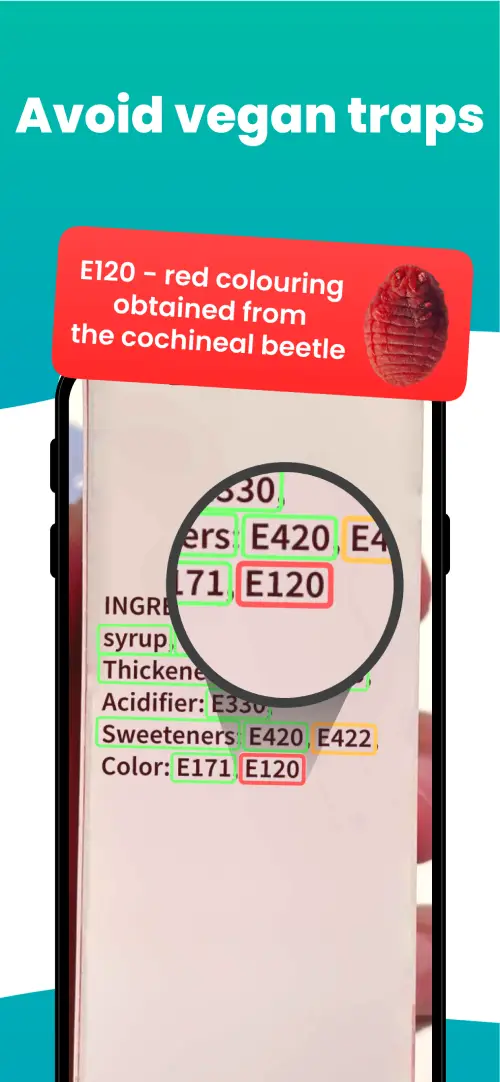
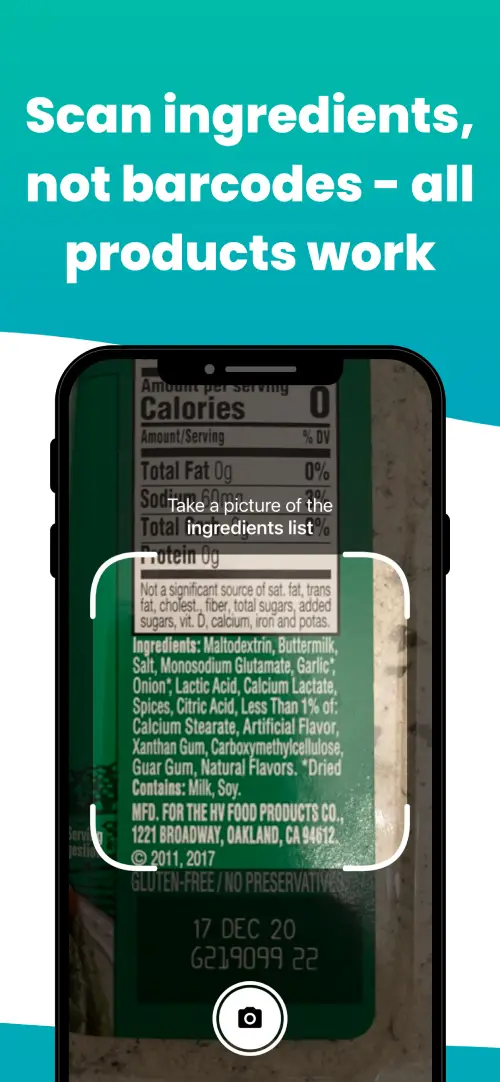
We've built a vegan ingredients scanner that classifies food ingredients as "vegan", "non-vegan", or "potentially vegan".
It allows you to avoid non-vegan ingredients - just take a picture of a product's ingredient list, and the app tells you if the product is vegan or not.



Check out other ingredients:
Is sorbitan olivate vegan?Is pomegranate oil vegan?Is ci 778161 vegan?Is d&c red 22 lake vegan?Is red 22 lake vegan?Is triethanolamine (tea) vegan?Is nylon fiber vegan?Is nylon-66 vegan?Is primrose oil vegan?Is senfsaaten vegan?Is % chocolat blanc vegan?Is natriumvätekarbonat vegan?
We'll never send you spam.