
Is ci45380 vegan?
Ci45380 is a vegan food ingredient.
Checking out an ingredients list? 👇
"You are amazing, this has saved me so much time when grocery shopping!"
— Austin, a user who reached out with feedback
"It's been a great tool since starting my journey! You take a pic of the nutrition/ingredients, and it'll warn you of anything questionable or not vegan. 😁"
— Ashe, a Vegan For Beginners Facebook Group member
"Use a vegan app when you go shopping, I use WhatsVegan."
— Dóra, a Vegan For Beginners Facebook Group member
So, what is ci45380?
Decoding CI 45380: An Ingredient Deep Dive
In the intricate world of food formulation, understanding every ingredient’s origin is paramount for ethically conscious consumers. One such component, designated as CI 45380, often appears on ingredient lists, prompting questions about its suitability for a vegan diet. This substance is more commonly known as Erythrosine, or FD&C Red No. 3, a bright cherry-red artificial coloring agent.
Vegan Status: Unquestionably Vegan
From an ethical and scientific standpoint, CI 45380 (Erythrosine) is definitively vegan. Its genesis is entirely synthetic, meaning it is produced through chemical synthesis in a laboratory or industrial setting, rather than being extracted or derived from any animal source. This stands in direct contrast to many historically used colorants that relied on insect derivatives, like cochineal (carmine), or animal byproducts. The "why" behind its vegan status is straightforward: no animals, animal secretions, or animal tissues are involved in its creation. This aligns perfectly with cruelty-free principles, as its production does not necessitate the exploitation or harm of any living creature.
The Science of a Synthetic Hue
Erythrosine is an organoiodine compound, a xanthene dye. Its vibrant red hue is achieved through specific chemical reactions involving petroleum-derived precursors. This controlled manufacturing process ensures a consistent color profile and eliminates the variability often associated with natural extracts. Unlike pigments sourced from botanicals, CI 45380 offers a stable, predictable color that is resistant to changes in pH or heat, making it highly valuable in certain food and pharmaceutical applications.
While Erythrosine itself is a synthetic chemical, the broader concept of "plant-based alternatives" often comes into play for consumers seeking to avoid artificial ingredients altogether. For those who prefer naturally derived colors, options such as beet extract, anthocyanins (from fruits like elderberry or grape skin), or lycopene (from tomatoes) can provide red hues. It's important to differentiate: these natural options are plant-based, and while Erythrosine is vegan, it is not "plant-based" in the sense of being directly derived from plants. Instead, it offers a purely synthetic, yet equally cruelty-free, coloring solution.
Ethical Purity and Label Transparency
For vegans, the purity of an ingredient extends beyond its primary derivation to encompass any processing aids or carriers that might be used during manufacturing. In the case of synthetic dyes like CI 45380, the chemical synthesis process inherently minimizes concerns about animal-derived processing aids that might plague other food categories (like certain sugars refined with bone char). However, a commitment to complete label transparency remains critical for consumers to make informed choices. Understanding that a vibrant red hue comes from a chemically synthesized compound, rather than an animal, reinforces the trust in products labeled as suitable for a vegan lifestyle.
When evaluating products containing CI 45380, consumers can be confident that the colorant itself does not compromise animal ethics. Its presence signifies a laboratory creation designed to impart color, upholding a commitment to animal welfare by completely sidestepping animal-derived components. This synthetic origin positions CI 45380 as a reliable vegan choice, even as the broader conversation around natural versus artificial ingredients continues to evolve within the plant-based community.
How to quickly find the source of ingredients like ci45380?
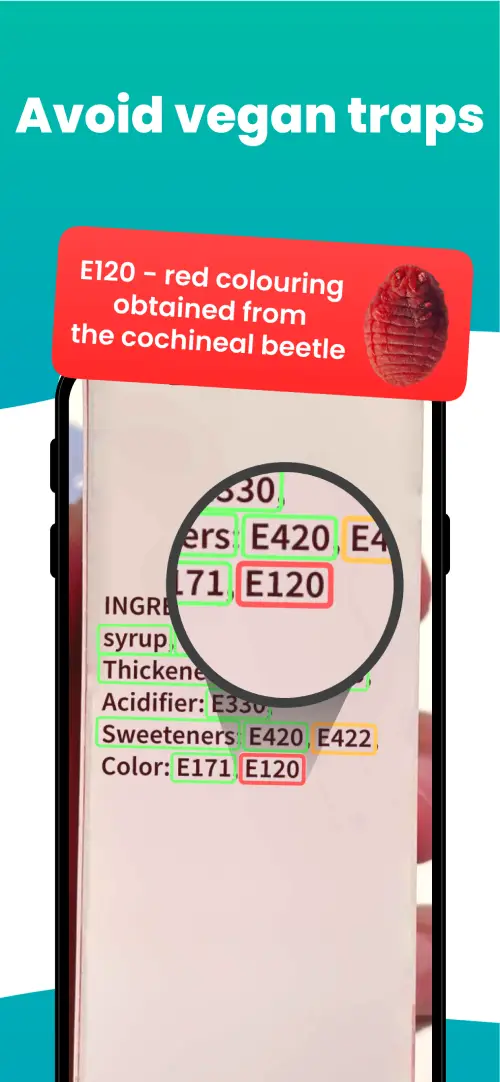
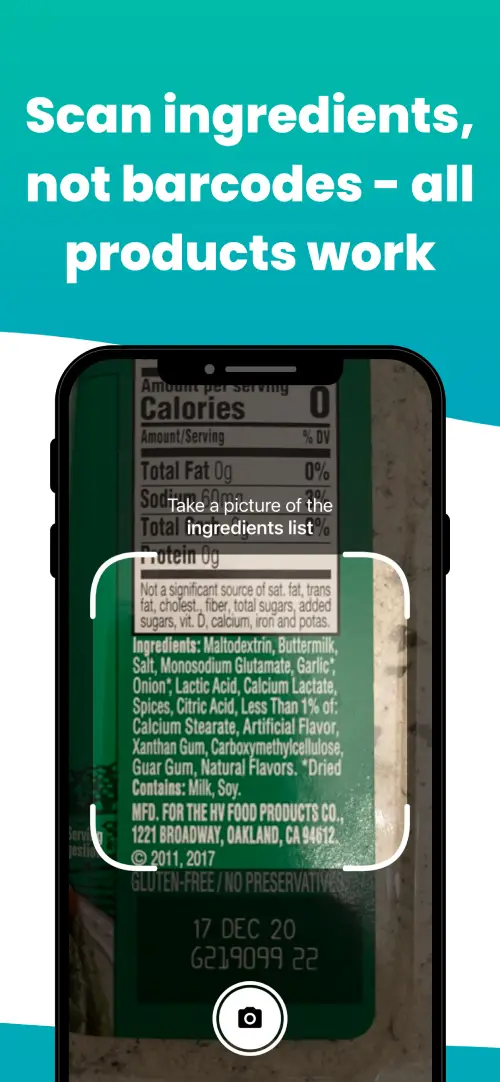
We've built a vegan ingredients scanner that classifies food ingredients as "vegan", "non-vegan", or "potentially vegan".
It allows you to avoid non-vegan ingredients - just take a picture of a product's ingredient list, and the app tells you if the product is vegan or not.



We'll never send you spam.