
Is red 22 vegan?
Red 22 is a vegan food ingredient.
Checking out an ingredients list? 👇
"You are amazing, this has saved me so much time when grocery shopping!"
— Austin, a user who reached out with feedback
"It's been a great tool since starting my journey! You take a pic of the nutrition/ingredients, and it'll warn you of anything questionable or not vegan. 😁"
— Ashe, a Vegan For Beginners Facebook Group member
"Use a vegan app when you go shopping, I use WhatsVegan."
— Dóra, a Vegan For Beginners Facebook Group member
So, what is red 22?
Red 22, while perhaps less widely recognized by consumers than some other common food colorants, represents a significant and reassuring presence within the realm of ethical food science and product formulation. For those committed to plant-based lifestyles, understanding the provenance of every ingredient is paramount, and Red 22 stands firmly as a genuinely vegan option, free from any animal-derived components or testing. Its inclusion in a product signals a deliberate choice towards purity and compassion.
Red 22's unequivocally vegan status is rooted in its origin as a synthetically derived colorant. Unlike many historical or even some contemporary red pigments that rely on animal sources, Red 22 is meticulously crafted through chemical synthesis or derived from specific inorganic mineral compounds. This manufacturing process bypasses any need for animal inputs, ensuring absolute freedom from byproducts like gelatin, shellac, or carmine. Its consistent molecular structure, often an inorganic manganese complex (such as Manganese Violet, which might fall under a 'Red 22'-type designation in broader colorant classifications), provides reliable color without compromising ethical standards. This scientific precision guarantees that no animals are involved at any stage of its production, from raw material sourcing to its final purified form. The controlled environment of its creation further minimizes concerns about cross-contamination, a risk sometimes associated with natural ingredients that share processing lines with non-vegan products. This inherent purity makes Red 22 a benchmark for cruelty-free formulation, offering peace of mind to both formulators and consumers.
For the discerning vegan consumer, the clarity around ingredients like Red 22 is invaluable. It stands in stark contrast to animal-derived pigments such as carmine, notoriously extracted from cochineal insects. The very notion of crushing thousands of tiny insects for a vibrant hue is anathema to animal ethics, highlighting the profound "why" behind ingredient scrutiny. Red 22 offers an ethically superior alternative, delivering a consistent and appealing red without any compromise to animal welfare. This commitment extends beyond just the source material; reputable manufacturers of Red 22 also adhere to cruelty-free practices, avoiding animal testing during development and quality control. This holistic approach aligns perfectly with the core tenets of veganism, providing a pure, guilt-free colorant option.
As a robust and stable coloring agent, Red 22 finds its place in various applications, particularly where a consistent, non-fading red is desired, a critical attribute for the longevity and appeal of food products. In the evolving landscape of plant-based foods, from meat analogues that mimic the heme-like redness of their animal counterparts, to vibrant dairy-free desserts and confectionery, aesthetic appeal is crucial for broad consumer acceptance. Red 22 delivers this vibrancy reliably and consistently, resisting degradation from light or heat that can plague some other colorants. Its use reflects a dedication to label transparency, signaling to consumers that the product is indeed committed to a fully vegan formulation. When encountering Red 22 on an ingredient list, vegans can be confident that the product upholds their ethical values, free from the hidden animal exploitation or questionable processing aids that can sometimes plague less scrupulously formulated products. It’s a testament to the fact that compelling color and ethical purity can, and should, coexist in modern food innovation.
In conclusion, Red 22 represents a clear win for vegan consumers and manufacturers alike. Its carefully controlled, non-animal origin, coupled with its reliable performance, solidifies its position as an ideal component for plant-based products. It embodies the essence of cruelty-free innovation, offering a bright, ethical hue that supports the growing demand for compassionate consumption. As the industry continues to evolve, ingredients like Red 22 will remain vital in building trust and ensuring the integrity of vegan offerings worldwide.
How to quickly find the source of ingredients like red 22?
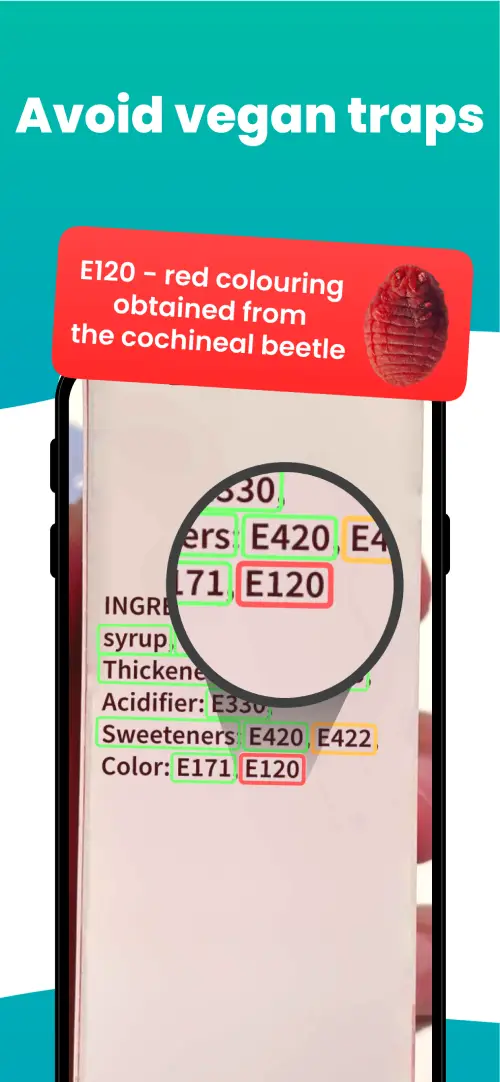
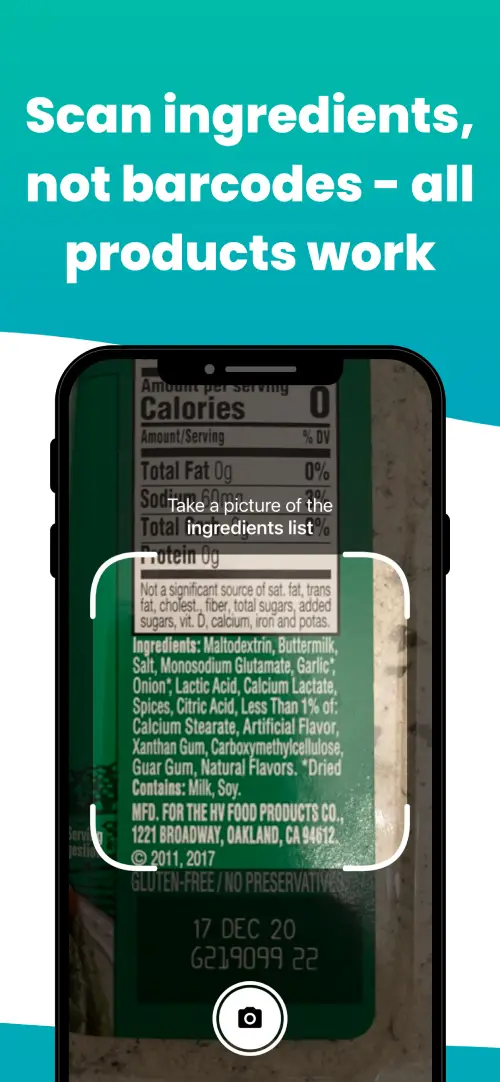
We've built a vegan ingredients scanner that classifies food ingredients as "vegan", "non-vegan", or "potentially vegan".
It allows you to avoid non-vegan ingredients - just take a picture of a product's ingredient list, and the app tells you if the product is vegan or not.



We'll never send you spam.