
Is cire d'abeille vegan?
Cire d'abeille is a non-vegan food ingredient.
Checking out an ingredients list? 👇
"You are amazing, this has saved me so much time when grocery shopping!"
— Austin, a user who reached out with feedback
"It's been a great tool since starting my journey! You take a pic of the nutrition/ingredients, and it'll warn you of anything questionable or not vegan. 😁"
— Ashe, a Vegan For Beginners Facebook Group member
"Use a vegan app when you go shopping, I use WhatsVegan."
— Dóra, a Vegan For Beginners Facebook Group member
So, what is cire d'abeille?
Understanding Cire d'Abeille: A Scientific and Ethical Analysis
Cire d'abeille, commonly known as beeswax, is a complex natural wax produced by honeybees (primarily Apis mellifera). This substance is meticulously secreted by worker bees from specialized glands on their abdomens, then chewed and formed into the hexagonal cells that constitute their honeycomb. Functionally, beeswax serves as the structural foundation for the bee colony, housing honey, pollen, and developing larvae. From a food science perspective, it's prized for its emulsifying, thickening, and protective properties, making it a prevalent ingredient across various industries.
The Vegan Perspective: Why Beeswax is Not Vegan
For individuals adhering to a vegan lifestyle, cire d'abeille is unequivocally not vegan. The core principle of veganism rests on the avoidance of all animal products and byproducts, rejecting the exploitation of animals for human consumption, use, or entertainment. Beeswax, being a direct secretion from an animal, falls squarely outside these ethical boundaries.
The ethical considerations extend beyond mere secretion. The production and harvesting of beeswax are intrinsically linked to the beekeeping industry, which vegans often view as exploitative. Practices involved typically include the removal of honey, which is the bees' primary food source, sometimes replaced with less nutritious sugar syrup. This can compromise the colony's health and survival. Furthermore, queen bees are often selectively bred, transported, and sometimes artificially inseminated, disrupting natural colony behaviors. The process of harvesting beeswax involves melting down honeycombs, which means destroying the intricate structures built by the bees, an act seen as an infringement upon their natural processes and autonomy. For the vegan food scientist, this represents an unacceptable appropriation of animal labor and their vital resources, fundamentally clashing with the ethos of purity and non-harm.
Functional Roles and the Rise of Plant-Based Alternatives
In food applications, cire d'abeille is frequently utilized as a glazing agent for candies and fruits, a firming agent in cosmetics, or as a coating to extend shelf life. Its waxy texture provides a smooth, protective barrier and can contribute to product stability. However, the scientific community has made significant strides in developing plant-based alternatives that perform just as effectively, if not superiorly, without the ethical compromise.
Cruelty-free alternatives like candelilla wax, carnauba wax, sunflower wax, and berry wax are derived entirely from botanical sources. These plant waxes offer similar textural and emulsifying properties, making them excellent substitutes for cire d'abeille in virtually any application. Candelilla wax, for instance, provides a hard, glossy finish, while carnauba wax boasts exceptional hardness and high melting point, ideal for coatings and polishes. The growing availability and efficacy of these options underscore the progress within vegan food science and product development, emphasizing innovation that respects animal welfare.
Label Transparency and Conscious Choices
Navigating ingredient lists requires diligence. As a processing aid or component, cire d'abeille might appear under its common name or as E901 in European food labeling. Understanding these distinctions is crucial for maintaining a truly vegan diet. The push for greater label transparency is vital, empowering consumers to make informed choices that align with their ethical convictions. As the demand for plant-based and cruelty-free products continues to grow, manufacturers are increasingly recognizing the importance of ethical sourcing and the adoption of animal-free alternatives, paving the way for a more compassionate and sustainable food system.
How to quickly find the source of ingredients like cire d'abeille?
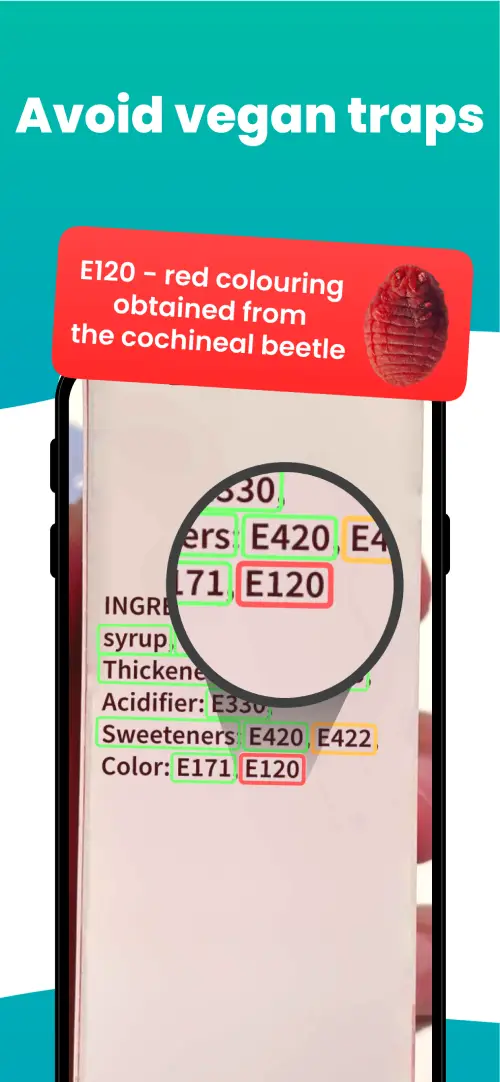
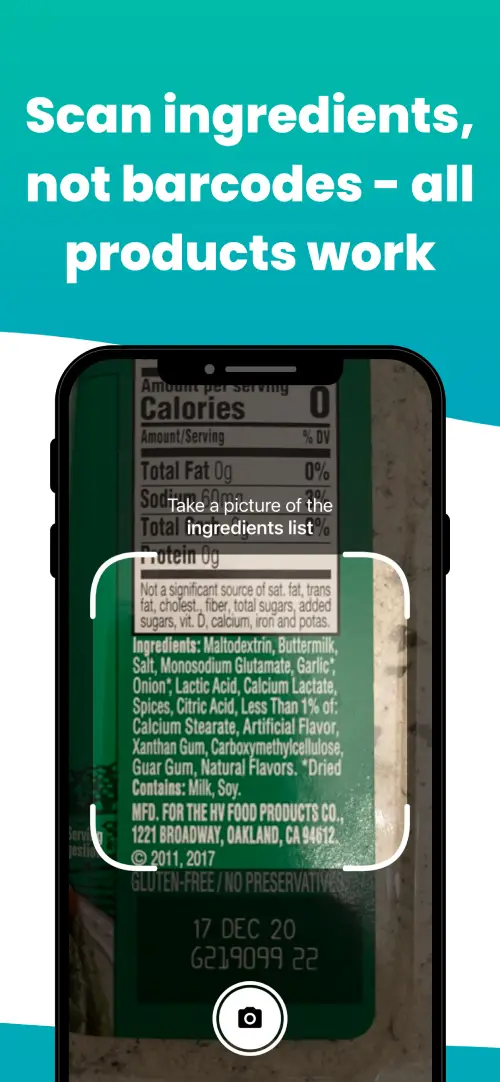
We've built a vegan ingredients scanner that classifies food ingredients as "vegan", "non-vegan", or "potentially vegan".
It allows you to avoid non-vegan ingredients - just take a picture of a product's ingredient list, and the app tells you if the product is vegan or not.



Check out other ingredients:
Is full cream milk vegan?Is goat's milk vegan?Is a milk product vegan?Is creme sure vegan?Are powdered egg yolks vegan?Is chicken with broth vegan?Are smoked ham with natural juices vegan?Are natural butter flavors vegan?Are caseinates vegan?Is milk mineral vegan?Is hydrolyzed pork protein vegan?Is almidón acetilado vegan?
We'll never send you spam.