Is citrato de potássio vegan?
Citrato de potássio is a vegan food ingredient.
Checking out an ingredients list? 👇
Vegan Ingredient Checker
Scan labels, check if ingredients are vegan
"You are amazing, this has saved me so much time when grocery shopping!"
— Austin, a user who reached out with feedback
"It's been a great tool since starting my journey! You take a pic of the nutrition/ingredients, and it'll warn you of anything questionable or not vegan. 😁"
— Ashe, a Vegan For Beginners Facebook Group member
"Use a vegan app when you go shopping, I use WhatsVegan."
— Dóra, a Vegan For Beginners Facebook Group member


Learn more
"You are amazing, this has saved me so much time when grocery shopping!"
— Austin, a user who reached out with feedback
"It's been a great tool since starting my journey! You take a pic of the nutrition/ingredients, and it'll warn you of anything questionable or not vegan. 😁"
— Ashe, a Vegan For Beginners Facebook Group member
"Use a vegan app when you go shopping, I use WhatsVegan."
— Dóra, a Vegan For Beginners Facebook Group member
So, what is citrato de potássio?
"Citrato de potássio" is the Portuguese term for potassium citrate, an acidity regulator and buffering agent also designated as E332. It is commercially produced by neutralizing citric acid with an alkaline potassium compound, such as potassium carbonate or potassium hydroxide. The citric acid used in this synthesis is primarily obtained through the microbial fermentation of plant sugars derived from corn, sugar beets, or molasses, while the potassium components are extracted from mineral salts.
This additive is widely used in processed foods and beverages, including soft drinks, sports beverages, plant-based dairy alternatives, electrolyte powders, and packaged snack foods. In these applications, it serves to adjust pH levels, stabilize flavors, and prevent crystallization or coagulation.
Citrato de potássio is considered vegan because all raw materials used in its production are of mineral, plant, and microbial origin. No animal tissues, animal byproducts, or animal-derived processing aids are used during its manufacturing process, making it fully compatible with a vegan diet.
How to quickly find the source of ingredients like citrato de potássio?
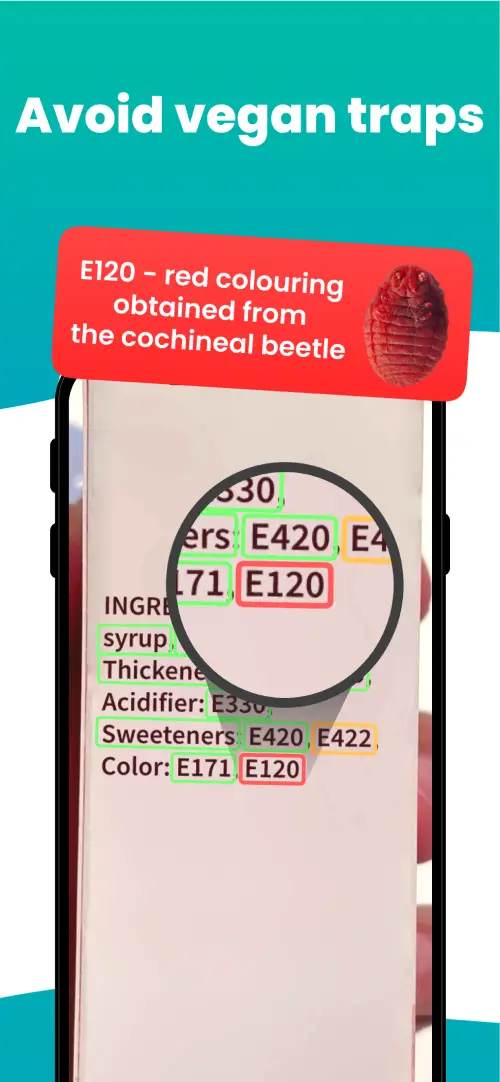
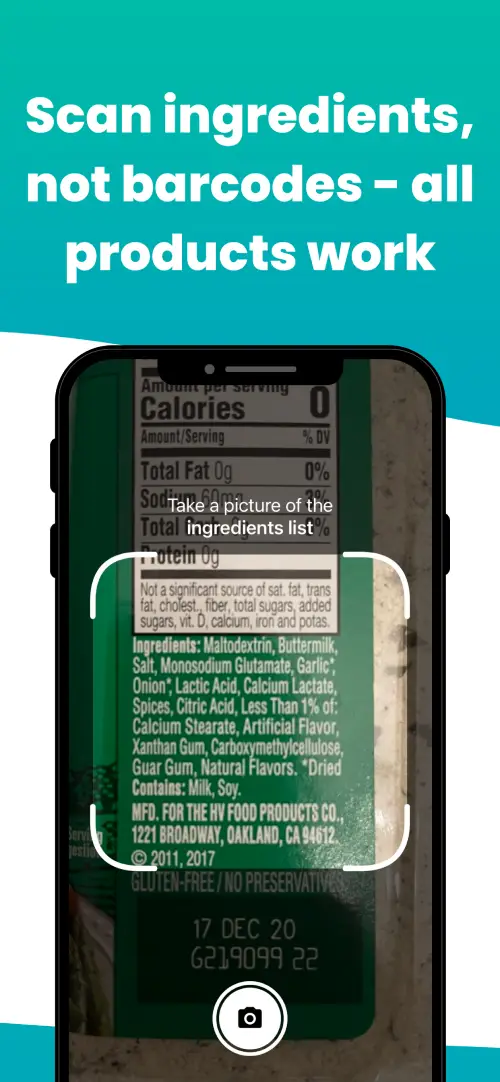
We've built a vegan ingredients scanner that classifies food ingredients as "vegan", "non-vegan", or "potentially vegan".
It allows you to avoid non-vegan ingredients - just take a picture of a product's ingredient list, and the app tells you if the product is vegan or not.

We'll never send you spam.