
Is cooked alaska pollock vegan?
Cooked alaska pollock is a non-vegan food ingredient.
Checking out an ingredients list? 👇
"You are amazing, this has saved me so much time when grocery shopping!"
— Austin, a user who reached out with feedback
"It's been a great tool since starting my journey! You take a pic of the nutrition/ingredients, and it'll warn you of anything questionable or not vegan. 😁"
— Ashe, a Vegan For Beginners Facebook Group member
"Use a vegan app when you go shopping, I use WhatsVegan."
— Dóra, a Vegan For Beginners Facebook Group member
So, what is cooked alaska pollock?
Understanding Cooked Alaska Pollock in a Vegan Framework
Cooked Alaska Pollock, a widely consumed marine ingredient, holds a prominent place in global cuisine, particularly in convenience foods and imitations like surimi. However, from a rigorous vegan perspective rooted in animal ethics and the pursuit of purity in consumption, its status is unequivocal: Not Vegan.
This classification stems directly from its origin. Cooked Alaska Pollock is the flesh of the Gadus chalcogrammus, a species of cod found predominantly in the North Pacific Ocean. It is, unequivocally, an animal product derived from a living creature. The act of catching, processing, and cooking this fish involves the taking of an animal life, which fundamentally conflicts with the core tenets of veganism. Vegan philosophy extends beyond just avoiding meat, dairy, and eggs; it encompasses the rejection of all products that involve animal exploitation, suffering, or the commodification of sentient beings. Fish, including the Alaska Pollock, are increasingly recognized by scientific communities as sentient creatures capable of experiencing pain and stress.
The commercial fishing of Alaska Pollock raises significant ethical concerns. It contributes to marine ecosystem disruption, bycatch of non-target species, and the immense suffering of individual fish captured in nets, brought to the surface, and processed. For those committed to a cruelty-free lifestyle, the consumption of any product derived from such practices is simply irreconcilable with their values. There are no "gray areas" with cooked pollock; it is the cooked muscle tissue of an animal.
Consumers seeking plant-based alternatives to seafood often encounter products that mimic the flaky, mild texture of white fish like pollock. These innovative options are crucial for transitioning away from animal products. Common plant-based alternatives frequently utilize ingredients such as:
Banana blossom: Offers a remarkably fibrous, fish-like texture when cooked. Hearts of palm: Provides a soft, flaky consistency suitable for "fish" tacos or salads. Artichoke hearts: Can be prepared to achieve a tender, meaty mouthfeel. Konjac root and various starches: Form the base for many commercially available vegan "fish" fillets, often combined with seaweed extracts (like nori) to impart an authentic oceanic flavor profile. Protein blends:* Pea, soy, and wheat proteins are also engineered to replicate the protein structure found in fish, offering a satisfying bite.
For the ethically conscious consumer, understanding label transparency is paramount. While cooked pollock is clearly labeled, the broader principle of scrutinizing ingredient lists helps identify any hidden animal derivatives, processing aids, or other components that might compromise vegan integrity in other products. However, for a direct ingredient like cooked Alaska Pollock, the explanation is straightforward: it is an animal, and its consumption is not compatible with a vegan diet or ethical stance. Embracing plant-based alternatives allows individuals to enjoy delicious, satisfying meals without contributing to animal harm.
How to quickly find the source of ingredients like cooked alaska pollock?
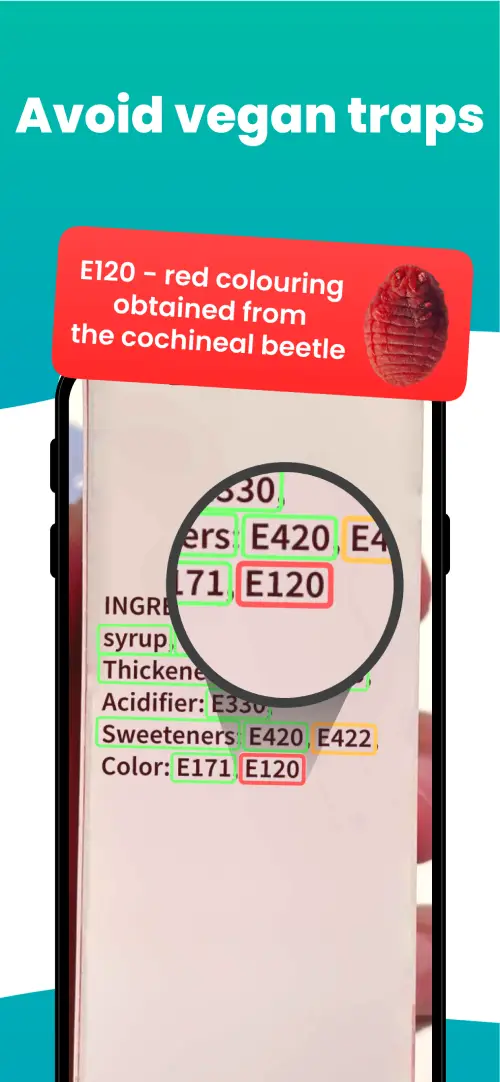
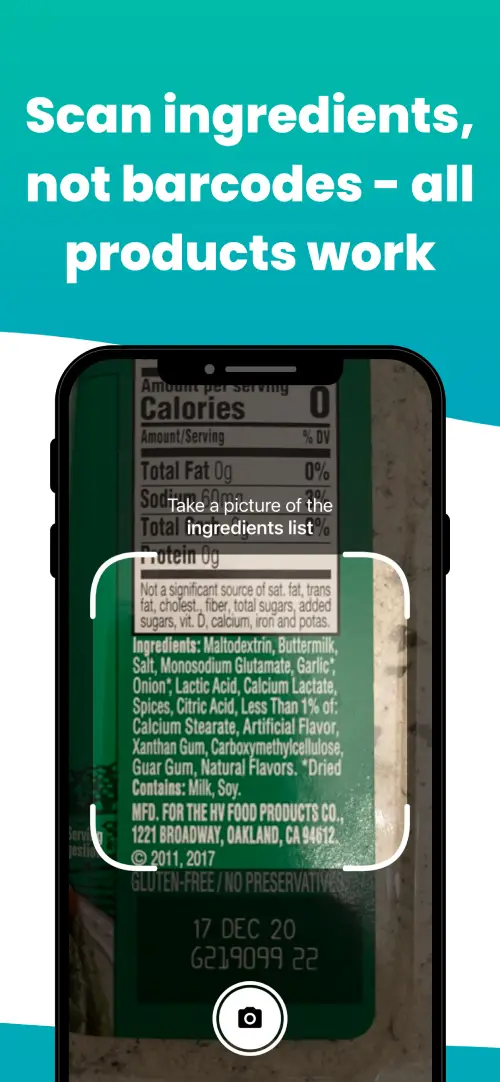
We've built a vegan ingredients scanner that classifies food ingredients as "vegan", "non-vegan", or "potentially vegan".
It allows you to avoid non-vegan ingredients - just take a picture of a product's ingredient list, and the app tells you if the product is vegan or not.



Check out other ingredients:
Is alaska cod vegan?Is alaska king crab vegan?Is biscuit with egg vegan?Is cooked atlantic cod vegan?Is cooked sea bass vegan?Is cooked halibut vegan?Is cooked cod vegan?Is cooked deer tenderloin vegan?Is cooked eel vegan?Is cooked rainbow trout vegan?Is cooked trout vegan?Is e120 vegan?
We'll never send you spam.