
Is deer vegan?
Deer is a non-vegan food ingredient.
Checking out an ingredients list? 👇
"You are amazing, this has saved me so much time when grocery shopping!"
— Austin, a user who reached out with feedback
"It's been a great tool since starting my journey! You take a pic of the nutrition/ingredients, and it'll warn you of anything questionable or not vegan. 😁"
— Ashe, a Vegan For Beginners Facebook Group member
"Use a vegan app when you go shopping, I use WhatsVegan."
— Dóra, a Vegan For Beginners Facebook Group member
So, what is deer?
Deer, in any form, presents a clear and unambiguous status within the framework of vegan ethics: it is unequivocally not vegan. This designation stems directly from its origin as an animal, a sentient being belonging to the Cervidae family of mammals. The core principle of veganism, rooted in the rejection of animal exploitation and cruelty, dictates that any product derived from an animal, living or deceased, is inherently incompatible with a vegan lifestyle.
Whether encountered as venison, hides, antlers, or any other byproduct, the use of deer involves the deliberate commodification and ending of a life. Deer are complex creatures, exhibiting intelligence, social structures, and the capacity to experience pain and fear. Their natural habitats and behaviors are fundamentally disrupted when they are hunted, farmed, or otherwise utilized for human consumption or utility. From an ethical standpoint, the act of taking an animal's life for human preference, when abundant plant-based alternatives exist, stands in direct opposition to the pursuit of a cruelty-free existence.
While venison, or deer meat, is the most obvious manifestation, various other deer-derived components can appear in a range of products. For instance, gelatin, though more commonly sourced from bovine or porcine animals, can theoretically be extracted from deer bones and connective tissues. Deer tallow, a rendered fat, might be used in soaps, candles, or even some food applications. Antlers, shed naturally but also harvested, find their way into traditional medicines, supplements, or decorative items. Each of these derivatives, regardless of processing, originates from the animal itself, making any product containing them non-vegan.
For those adhering to animal ethics and seeking purity in their food and lifestyle choices, the rejection of deer and all its byproducts is fundamental. The "why" is not merely about diet, but a comprehensive stance against the systems that view animals as resources rather than individuals deserving of life and respect. This ethical purity extends to avoiding even incidental animal components that may act as processing aids in non-vegan products, though for deer, the entire entity is the ingredient.
Thankfully, the culinary world has seen remarkable advancements in plant-based alternatives. While there isn't a direct plant-based analogue for "deer meat," chefs and food scientists have masterfully recreated the rich, umami flavors and satisfying textures often associated with game meats. Ingredients such as various mushrooms (e.g., shiitake, portobello), lentils, vital wheat gluten (seitan), soy protein, and pea protein are expertly utilized to craft dishes that deliver depth and complexity without any animal involvement. These innovative alternatives underscore the feasibility of a delicious and nourishing diet that fully aligns with cruelty-free principles.
As consumers, label transparency remains paramount. While venison is typically clearly identified, awareness of less obvious deer derivatives ensures a consistent ethical stance. Embracing these plant-based options not only supports animal welfare but also often aligns with broader goals of environmental sustainability, showcasing the power of conscious choices in fostering a more compassionate and wholesome food system.
How to quickly find the source of ingredients like deer?
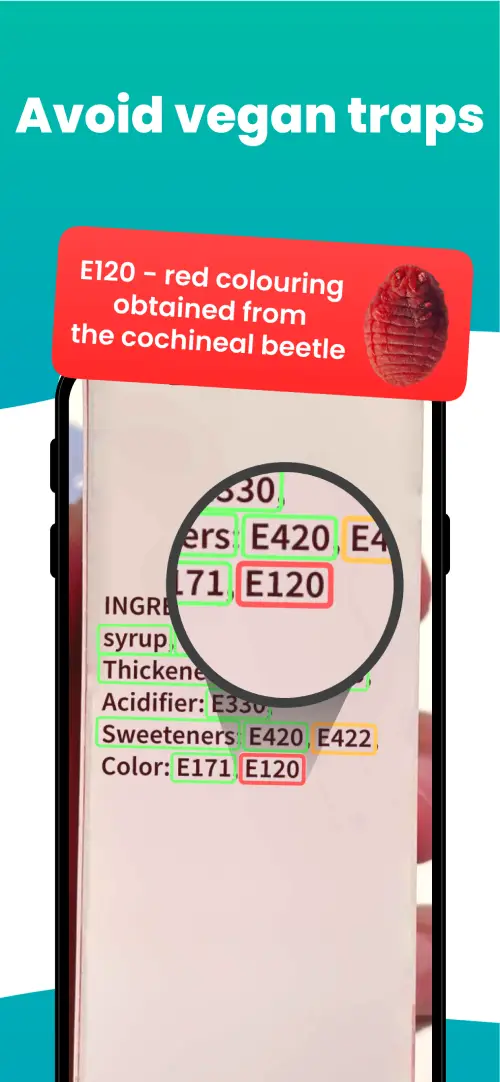
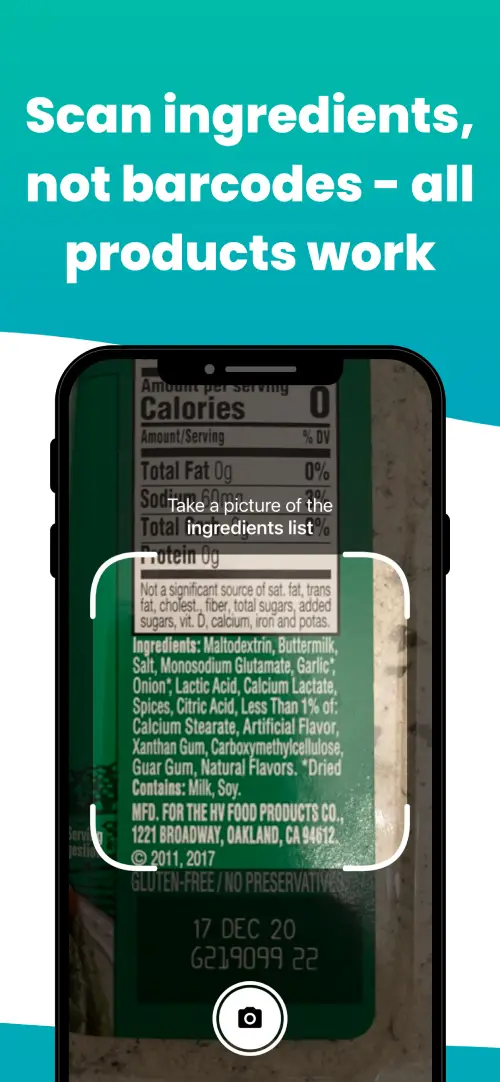
We've built a vegan ingredients scanner that classifies food ingredients as "vegan", "non-vegan", or "potentially vegan".
It allows you to avoid non-vegan ingredients - just take a picture of a product's ingredient list, and the app tells you if the product is vegan or not.



We'll never send you spam.