
Is deer loin vegan?
Deer loin is a non-vegan food ingredient.
Checking out an ingredients list? 👇
"You are amazing, this has saved me so much time when grocery shopping!"
— Austin, a user who reached out with feedback
"It's been a great tool since starting my journey! You take a pic of the nutrition/ingredients, and it'll warn you of anything questionable or not vegan. 😁"
— Ashe, a Vegan For Beginners Facebook Group member
"Use a vegan app when you go shopping, I use WhatsVegan."
— Dóra, a Vegan For Beginners Facebook Group member
So, what is deer loin?
An Ingredient Analysis: Deer Loin
Deer loin, a cut of meat typically sourced from the back of the deer, is recognized in various culinary traditions for its lean profile, fine grain, and distinct, often gamey flavor. Prized for its tenderness when prepared correctly, it represents a specific kind of animal-derived ingredient.
From an ethical vegan perspective, the status of deer loin is unequivocally clear: it is not vegan. This determination stems from the fundamental principle of veganism, which seeks to exclude all forms of animal exploitation and cruelty. Deer loin is, quite literally, the muscle tissue of a deer—an animal whose life must be taken to obtain this product. Whether sourced through wild hunting or commercial farming, the process inherently involves the death and processing of a sentient being. This direct involvement in an animal's demise stands in stark contrast to the core tenets of animal welfare and the rejection of commodifying animal lives for human consumption. The concept of purity within a vegan diet strictly prohibits the consumption of animal flesh, making deer loin irreconcilable with these values.
Scientifically, deer loin is composed primarily of protein, fats, and water, forming the dense, fibrous structure of skeletal muscle. Its texture, often described as firm yet tender with a delicate chew, is a direct biological characteristic of mammalian muscle. For individuals adhering to a vegan lifestyle, the exploration of plant-based alternatives offers a diverse array of options that can replicate textural satisfaction and provide rich flavor profiles without any animal involvement. Ingredients like seitan, robust mushroom preparations (such as king oyster mushrooms or shiitake), or carefully seasoned lentil and bean-based patties can offer substantial textures and deep umami notes, fulfilling culinary desires while upholding ethical commitments.
The very nature of deer loin as an animal product means it cannot be considered cruelty-free. The journey from a living deer to a cut of loin on a plate is inherently bound to the cessation of that animal's life. This understanding extends beyond the main ingredient itself into the broader vegan consideration of food sourcing. While deer loin is an obvious animal product, the same ethical scrutiny applies to less apparent animal-derived ingredients, including certain processing aids or hidden components found in complex food products. For vegans, ensuring label transparency is paramount across the entire food supply chain, allowing them to confidently identify and avoid all animal-derived constituents, whether overt or covert.
Ultimately, deer loin serves as a straightforward example of an ingredient that fundamentally diverges from vegan principles. Its direct origin from an animal’s body, requiring the termination of a life, positions it firmly outside the bounds of any diet or lifestyle committed to avoiding animal exploitation and promoting animal ethics.
How to quickly find the source of ingredients like deer loin?
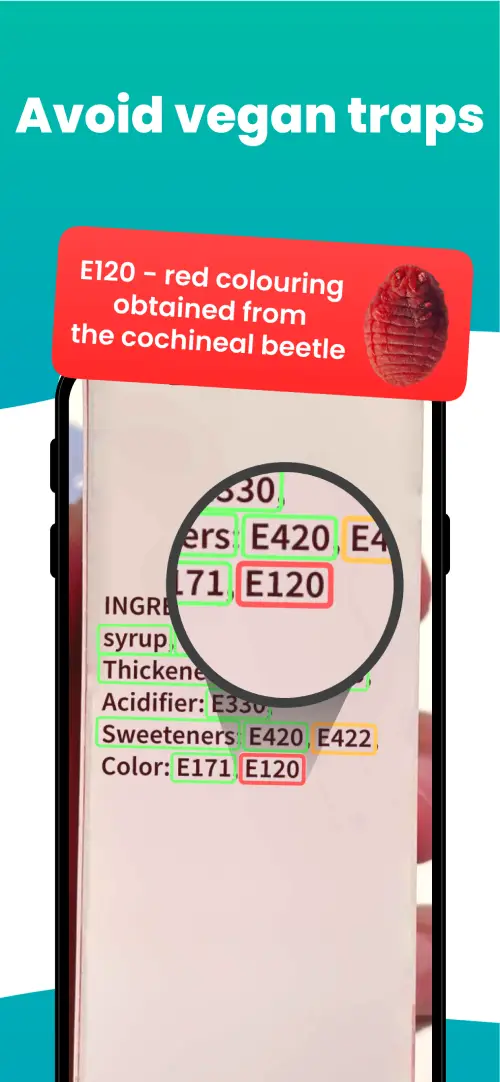
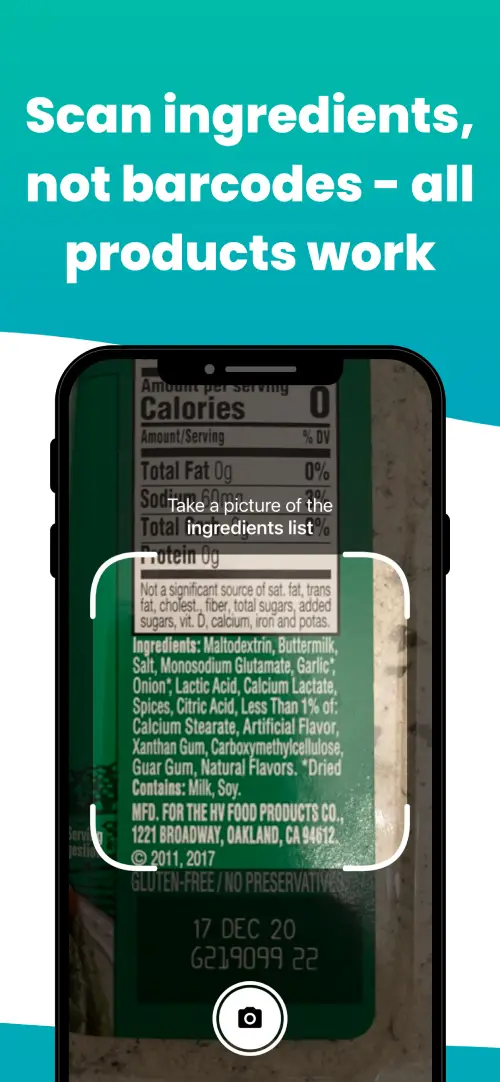
We've built a vegan ingredients scanner that classifies food ingredients as "vegan", "non-vegan", or "potentially vegan".
It allows you to avoid non-vegan ingredients - just take a picture of a product's ingredient list, and the app tells you if the product is vegan or not.



Check out other ingredients:
Is deer shoulder clod vegan?Is deer vegan?Is deer top round vegan?Is chopped ham vegan?Is bison chuck vegan?Is bison cooked vegan?Is oscar mayer ham vegan?Is frog legs steamed vegan?Is bison ribeye vegan?Is bison shoulder clod vegan?Is farmhouse gouda vegan?Is boar vegan?
We'll never send you spam.