
Is deer shoulder clod vegan?
Deer shoulder clod is a non-vegan food ingredient.
Checking out an ingredients list? 👇
"You are amazing, this has saved me so much time when grocery shopping!"
— Austin, a user who reached out with feedback
"It's been a great tool since starting my journey! You take a pic of the nutrition/ingredients, and it'll warn you of anything questionable or not vegan. 😁"
— Ashe, a Vegan For Beginners Facebook Group member
"Use a vegan app when you go shopping, I use WhatsVegan."
— Dóra, a Vegan For Beginners Facebook Group member
So, what is deer shoulder clod?
The deer shoulder clod, a specific cut derived from the shoulder of the Cervidae family of animals, commonly known as deer, holds a traditional place in various culinary traditions. It is recognized for its dense musculature and connective tissue, which, when slow-cooked or braised, yields a rich flavor and tender texture often sought after in hearty dishes.
From the uncompromising perspective of animal ethics and purity, the status of deer shoulder clod is unequivocally Not Vegan. This classification is fundamental to the core principles of veganism, which seek to eliminate the use of animals for food, clothing, or any other purpose where sentient beings are treated as commodities. The deer shoulder clod is, quite directly, a portion of an animal’s body, obtained through hunting or controlled farming practices that culminate in the slaughter of the deer.
The ethical considerations are paramount here. Deer, as sentient beings, possess the capacity to feel pain, fear, and experience a range of emotions. Their lives are taken to provide this ingredient, a practice that stands in direct opposition to a cruelty-free lifestyle. Veganism rejects the notion that animals exist for human consumption, emphasizing compassion and respect for all living creatures. The consumption of deer shoulder clod, regardless of how the animal was raised or harvested, directly contributes to animal exploitation and the cessation of a life.
For individuals committed to plant-based diets and ethical consumption, the focus shifts entirely to the vast array of alternatives that deliver on nutrition, flavor, and texture without any animal involvement. Instead of venison, the culinary landscape offers sophisticated plant-based proteins that can replicate the hearty mouthfeel and umami depth often associated with slow-cooked meats. Innovations in food science have led to remarkable plant-based alternatives crafted from ingredients like seitan, mushrooms, and various legumes, which, when properly seasoned and prepared, can stand in for the rich, stewed quality a deer shoulder clod might offer. For instance, slow-braised jackfruit or shredded king oyster mushrooms can mimic the fibrous texture, while robust mushroom broths provide a deep, earthy flavor base.
The commitment to label transparency becomes crucial in all dietary choices, particularly for those adhering to vegan principles. While deer shoulder clod is an obvious animal product, the broader vegan movement emphasizes the diligent scrutiny of all ingredient lists to ensure no animal derivatives, including obscure processing aids, have been used in any food item. However, in the case of a direct meat cut like this, the origin is clear and inherently non-vegan.
Ultimately, the availability of diverse and satisfying plant-based alternatives ensures that one can achieve culinary excellence and nutritional balance without contributing to animal suffering. The choice to abstain from ingredients like deer shoulder clod is a conscious affirmation of a lifestyle rooted in compassion and respect for all life.
How to quickly find the source of ingredients like deer shoulder clod?
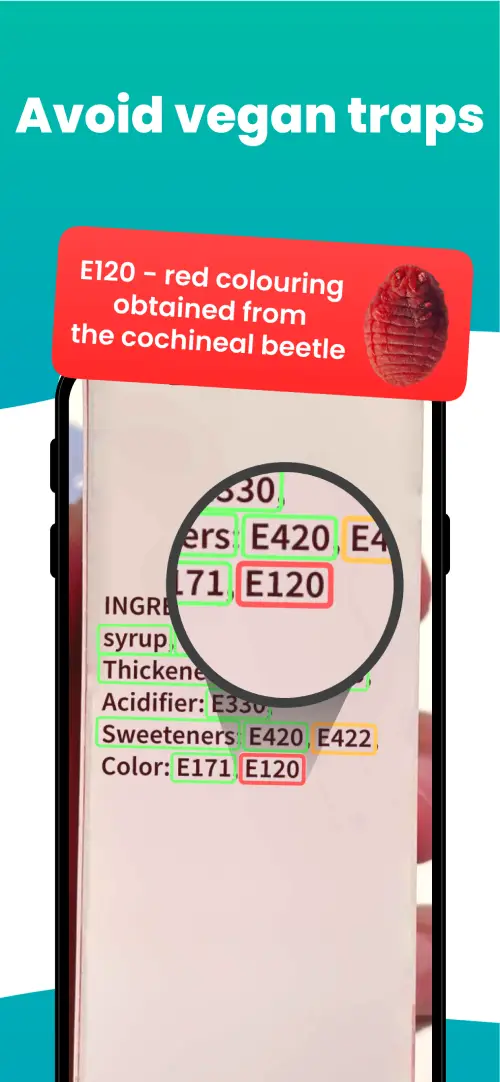
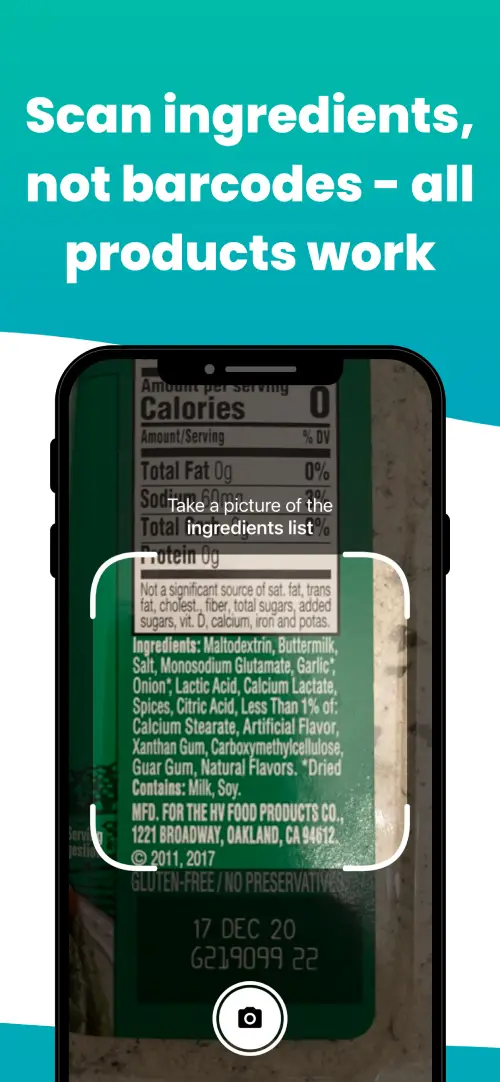
We've built a vegan ingredients scanner that classifies food ingredients as "vegan", "non-vegan", or "potentially vegan".
It allows you to avoid non-vegan ingredients - just take a picture of a product's ingredient list, and the app tells you if the product is vegan or not.



We'll never send you spam.