
Is diethylamino hydroxybenzoyl hexyl benzoate vegan?
Diethylamino hydroxybenzoyl hexyl benzoate is a vegan food ingredient.
Checking out an ingredients list? 👇
"You are amazing, this has saved me so much time when grocery shopping!"
— Austin, a user who reached out with feedback
"It's been a great tool since starting my journey! You take a pic of the nutrition/ingredients, and it'll warn you of anything questionable or not vegan. 😁"
— Ashe, a Vegan For Beginners Facebook Group member
"Use a vegan app when you go shopping, I use WhatsVegan."
— Dóra, a Vegan For Beginners Facebook Group member
So, what is diethylamino hydroxybenzoyl hexyl benzoate?
Understanding the composition and sourcing of every ingredient is paramount for those committed to a vegan lifestyle. Within the complex world of personal care and protective formulations, diethylamino hydroxybenzoyl hexyl benzoate, often abbreviated as DHHB, stands as a notable component. Its role is primarily as a highly effective UV filter, offering critical protection against UVA radiation.
From a vegan perspective, the status of DHHB is clear: it is vegan. This assurance stems from its entirely synthetic origin. DHHB is a precisely engineered organic compound, synthesized in controlled laboratory environments. This manufacturing process does not, at any stage, incorporate animal-derived raw materials, byproducts, or processing aids. Unlike certain ingredients which might trace their lineage back to animal fats, insect secretions, or dairy derivatives, DHHB’s chemical synthesis pathway ensures its purity from an animal ethics standpoint.
For the vegan consumer, the reliance on synthetic ingredients like DHHB often simplifies the ethical vetting process. There are no "gray area" concerns here regarding cross-contamination with animal products, nor is there any ambiguity concerning sourcing, which can sometimes plague natural extracts that might be processed using animal-derived enzymes or clarified with bone char, for instance. Its production is meticulously controlled, using defined chemical precursors that are themselves free from animal inputs.
This commitment to non-animal sourcing also aligns DHHB with broader cruelty-free principles. The development and testing of DHHB are not reliant on animal experimentation, adhering to the highest ethical standards increasingly demanded by conscious consumers. Its inclusion in formulations allows product developers to confidently label their offerings as fully vegan and cruelty-free, providing invaluable label transparency.
While DHHB is not a "plant-based alternative" in the sense of being derived directly from a botanical source, its synthetic nature makes it a robust and reliable alternative to other UV filters that might have questionable origins or processing methods. This allows for the creation of high-performance sun protection and cosmetic products that fully respect animal welfare without compromising efficacy.
Ultimately, diethylamino hydroxybenzoyl hexyl benzoate serves as an exemplary ingredient for vegan formulations. Its well-defined chemical structure and fully synthetic manufacturing route provide unequivocal assurance of its vegan status, making it a trusted choice for those seeking purity and adherence to animal ethics in their daily product selections.
How to quickly find the source of ingredients like diethylamino hydroxybenzoyl hexyl benzoate?
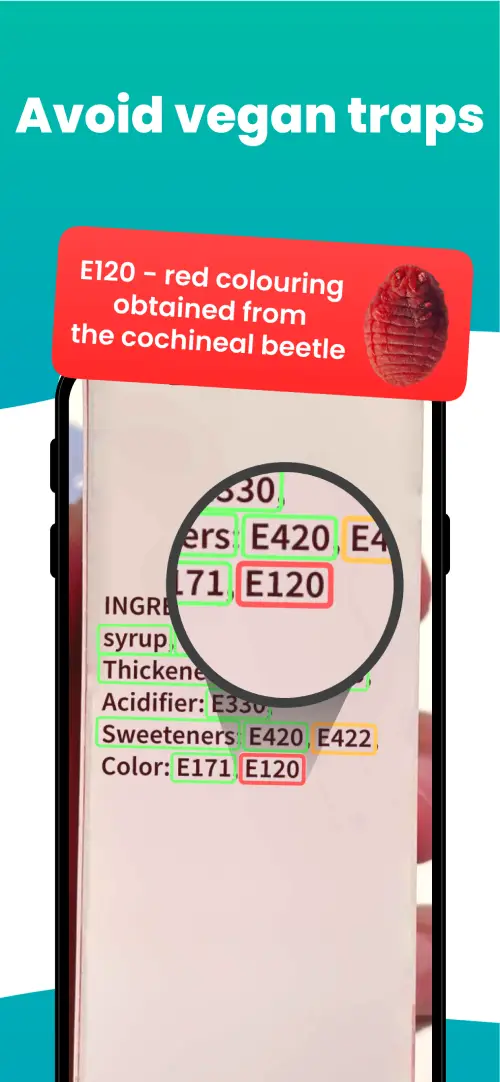
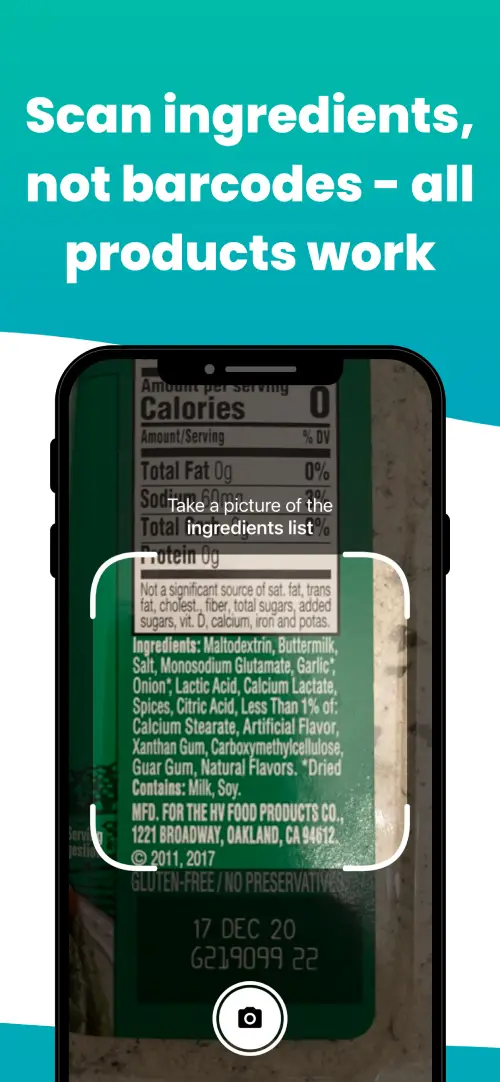
We've built a vegan ingredients scanner that classifies food ingredients as "vegan", "non-vegan", or "potentially vegan".
It allows you to avoid non-vegan ingredients - just take a picture of a product's ingredient list, and the app tells you if the product is vegan or not.



Check out other ingredients:
Is avobenzone vegan?Is methyl perfluorobutyl ether vegan?Is ethylhexyl triazone vegan?Is alcohol denat vegan?Is c.i. food red 17 vegan?Is chlorella vulgaris vegan?Is beta vulgaris vegan?Is fd & c red no. 40 vegan?Is fruits à noix vegan?Is aróme fraise vegan?Is extraits de réglisse vegan?Is luna sponge vegan?
We'll never send you spam.