
Is alcohol denat vegan?
Alcohol denat is a vegan food ingredient.
Checking out an ingredients list? 👇
"You are amazing, this has saved me so much time when grocery shopping!"
— Austin, a user who reached out with feedback
"It's been a great tool since starting my journey! You take a pic of the nutrition/ingredients, and it'll warn you of anything questionable or not vegan. 😁"
— Ashe, a Vegan For Beginners Facebook Group member
"Use a vegan app when you go shopping, I use WhatsVegan."
— Dóra, a Vegan For Beginners Facebook Group member
So, what is alcohol denat?
Alcohol denat., or denatured alcohol, is a ubiquitous ingredient across various industries, from cosmetics and personal care to household cleaning products. For those navigating ingredient lists with an animal ethics lens, understanding its derivation and processing is paramount. From the perspective of a vegan food scientist, we can firmly establish its status.
At its core, alcohol denat. is ethanol, which has been rendered unsuitable for drinking by the addition of denaturing agents. The ethanol itself is overwhelmingly produced through the fermentation of plant-based sources such as corn, sugarcane, wheat, or potatoes. This microbial process converts plant sugars into ethanol, making its primary component inherently vegan. It is not an animal-derived product, nor does it rely on animal byproducts for its fundamental synthesis.
The "denat." aspect refers to the specific additives introduced to discourage recreational consumption. Common denaturants include methanol, isopropyl alcohol, acetone, methyl ethyl ketone, and various bittering agents. These compounds are typically synthetic chemicals or are also derived from plant sources, meaning their inclusion generally does not introduce animal-derived ingredients into the final alcohol denat. composite. This robust plant-based origin and the non-animal nature of denaturing agents solidify alcohol denat.'s position as a Vegan ingredient.
The "why" behind this status is rooted in its chemical synthesis and industrial production methods. There are no animal secretions, tissues, or byproducts involved in the fermentation of the plant material or the subsequent denaturing process. Unlike some sugars that might utilize bone char for filtration (a concern for strict vegans, though usually not applicable to industrial ethanol production), or ingredients that might have trace animal-derived processing aids, alcohol denat. stands clean. Its journey from plant matter to a functional solvent or astringent is typically free from animal exploitation or material.
For consumers committed to a cruelty-free lifestyle, it's vital to distinguish between an ingredient's vegan status and the final product's cruelty-free certification. While alcohol denat. is vegan, the finished product containing it must also be free from animal testing at all stages of development to earn a cruelty-free label. This highlights the importance of comprehensive label transparency from manufacturers.
In the realm of plant-based alternatives, alcohol denat. doesn't necessitate an alternative because its very origin is already plant-based. Its purity, when assessed through an animal ethics framework, aligns well with vegan principles. As a functional ingredient, it provides benefits like quick evaporation and solvent properties without compromising ethical integrity. When encountering "alcohol denat." on an ingredient list, vegans can generally proceed with confidence regarding its non-animal origin.
How to quickly find the source of ingredients like alcohol denat?
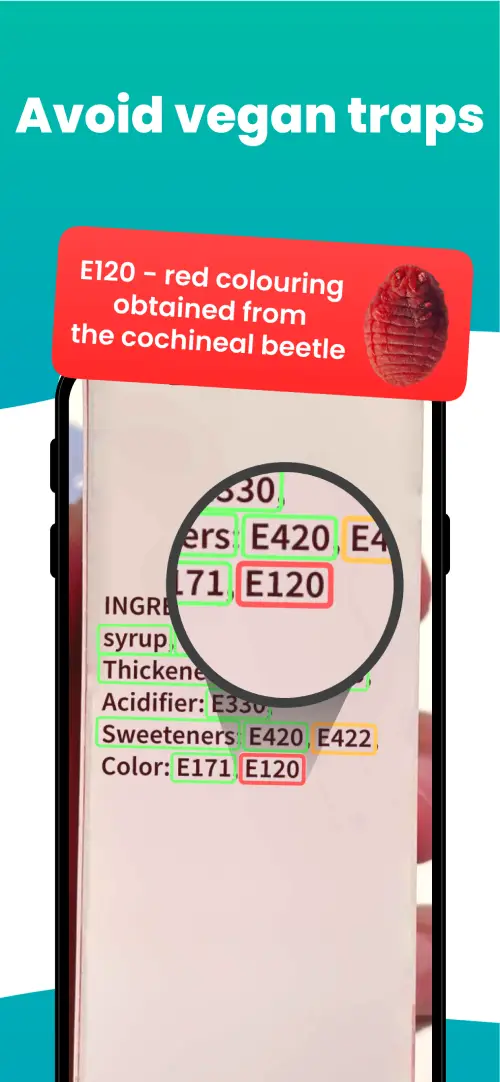
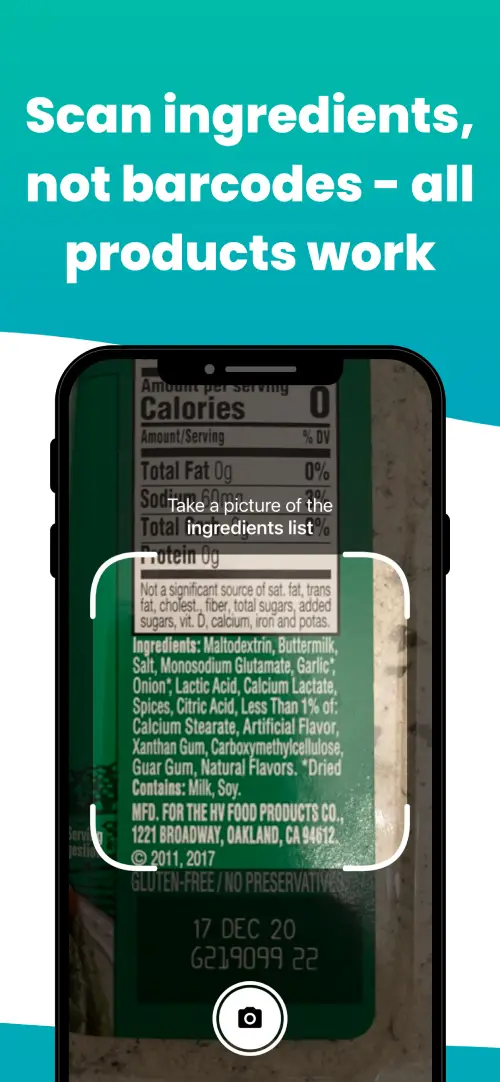
We've built a vegan ingredients scanner that classifies food ingredients as "vegan", "non-vegan", or "potentially vegan".
It allows you to avoid non-vegan ingredients - just take a picture of a product's ingredient list, and the app tells you if the product is vegan or not.



Check out other ingredients:
Is octocrylene vegan?Is ci 16035 vegan?Is c.i. food red 17 vegan?Is c12-15 alkyl benzoate vegan?Is c. i. 16035 vegan?Is methyl perfluorobutyl ether vegan?Is fd & c red no. 40 vegan?Is red 40 lake vegan?Is red dye 40 vegan?Is diethylamino hydroxybenzoyl hexyl benzoate vegan?Is allura red vegan?Is dibutyl adipate vegan?
We'll never send you spam.