
Is ethylhexyl triazone vegan?
Ethylhexyl triazone is a vegan food ingredient.
Checking out an ingredients list? 👇
"You are amazing, this has saved me so much time when grocery shopping!"
— Austin, a user who reached out with feedback
"It's been a great tool since starting my journey! You take a pic of the nutrition/ingredients, and it'll warn you of anything questionable or not vegan. 😁"
— Ashe, a Vegan For Beginners Facebook Group member
"Use a vegan app when you go shopping, I use WhatsVegan."
— Dóra, a Vegan For Beginners Facebook Group member
So, what is ethylhexyl triazone?
Ethylhexyl Triazone: A Cornerstone of Ethical UV Protection for Conscious Formulations
In the realm of modern skincare and sun protection, the integrity of ingredients holds paramount importance for consumers who prioritize both efficacy and ethical alignment. Ethylhexyl Triazone (EHT) stands out as a high-performing UV filter, frequently encountered in broad-spectrum sunscreens and cosmetic formulations. For those navigating choices through the lens of animal welfare and environmental impact, understanding the precise nature and origin of such compounds is crucial. We delve into Ethylhexyl Triazone, affirming its status as a robustly vegan ingredient.
Understanding Ethylhexyl Triazone
Ethylhexyl Triazone is a synthetic organic compound, specifically a triazine derivative, designed to provide potent protection against the sun's harmful ultraviolet B (UVB) rays. Its molecular structure grants it exceptional photostability and a high absorption capacity, making it a highly effective component in modern sunscreens. Unlike some older chemical filters, EHT is known for its stability and minimal skin penetration, contributing to its favorable safety profile. Typically, it presents as a fine, white to pale yellow crystalline powder, often dissolved into the oil phase of cosmetic formulations due to its oil-soluble nature. Its strength lies in absorbing a significant portion of the UVB spectrum, thereby preventing cellular damage and reducing the risk of sunburn and long-term skin degradation.
The Uncompromising Vegan Purity of Ethylhexyl Triazone
From an animal ethics and purity standpoint, Ethylhexyl Triazone is unequivocally vegan. Its synthesis occurs entirely within a controlled laboratory environment, meticulously constructed from non-animal derived precursors. This means that at no stage of its production – from its foundational chemical building blocks to its final refined form – are animal products, byproducts, or animal-derived processing aids utilized.
The "why" behind its vegan status is straightforward: it's a completely synthetic compound. This distinguishes it from ingredients that might be plant-derived but involve animal-derived processing aids (like bone char in some sugar refining) or ingredients that could be sourced from animals. For vegans committed to avoiding animal exploitation, EHT represents a "clean" ingredient choice, free from the ethical ambiguities often associated with naturally sourced or ambiguously processed materials. It aligns perfectly with the philosophy of choosing ingredients that do not contribute to animal suffering or exploitation.
Ethical Sourcing and Formulation Considerations
While Ethylhexyl Triazone itself is synthetically produced without animal involvement, the broader context of its application warrants discussion. For cosmetic manufacturers aiming for truly cruelty-free end products, using EHT is a strong starting point, provided the final formulation and all other ingredients also adhere to non-animal testing policies. The term "cruelty-free" signifies that neither the product nor its ingredients were tested on animals, a principle that EHT's production inherently respects.
The use of EHT also offers a reliable alternative in formulations where consumers might seek to avoid certain mineral UV filters (like zinc oxide or titanium dioxide) due to concerns about their origin (mining practices) or potential processing methods. While not a "plant-based alternative" in the sense of being botanically derived, its synthetic origin means it consistently bypasses any animal-based sourcing concerns, positioning it as a preferred component in vegan and plant-based cosmetic lines. This robustly vegan nature enhances label transparency for brands, allowing them to confidently declare products as vegan and cruelty-free, offering clarity and trust to the conscious consumer.
Why EHT Matters for Conscious Consumers
For those who meticulously scrutinize ingredient lists, Ethylhexyl Triazone offers a clear conscience. It provides highly effective sun protection without compromising on the ethical principles of veganism. Its consistent chemical structure ensures reliable performance, while its synthetic origin guarantees an absence of animal-derived components, making it a valuable asset for formulators developing truly vegan and cruelty-free sunscreens and skincare products. By opting for products containing EHT, consumers can protect their skin effectively, secure in the knowledge that their choice supports a lifestyle free from animal exploitation.
How to quickly find the source of ingredients like ethylhexyl triazone?
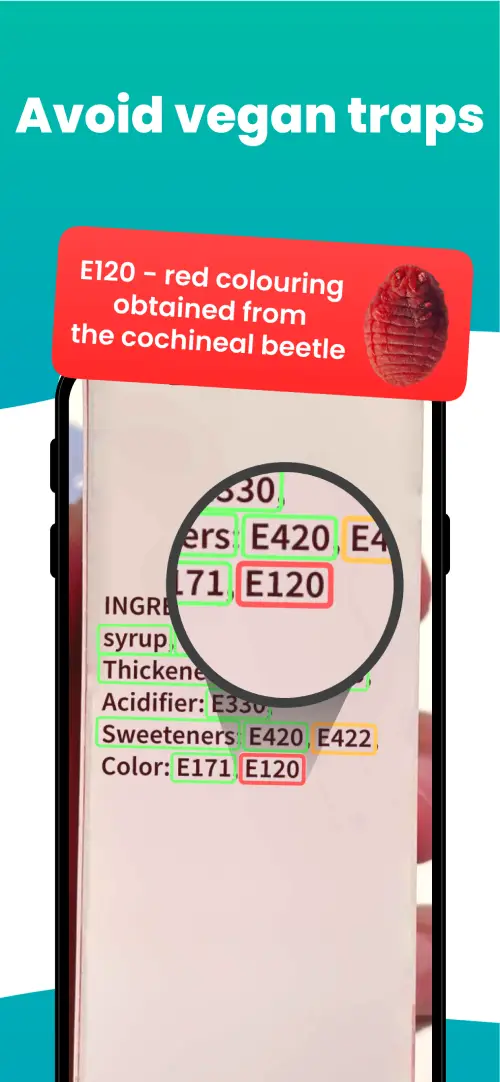
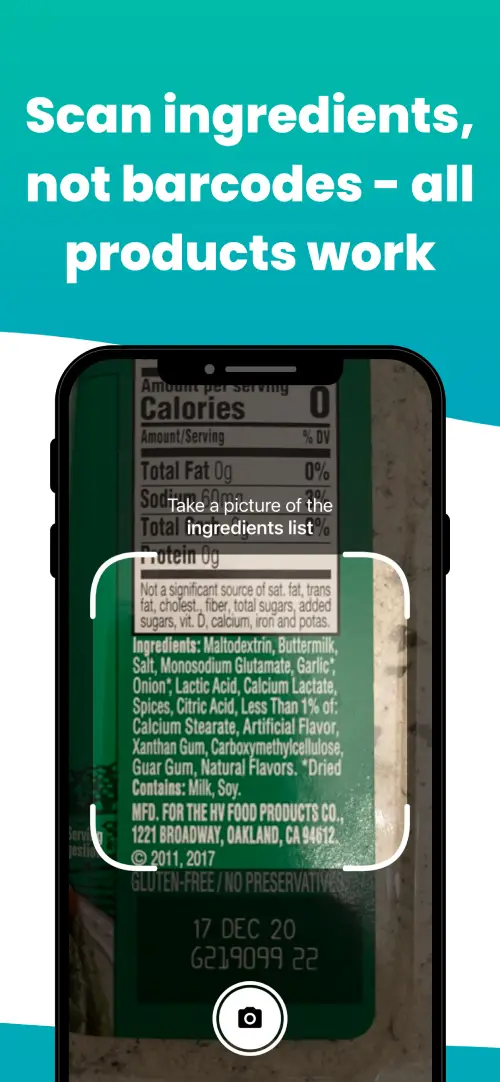
We've built a vegan ingredients scanner that classifies food ingredients as "vegan", "non-vegan", or "potentially vegan".
It allows you to avoid non-vegan ingredients - just take a picture of a product's ingredient list, and the app tells you if the product is vegan or not.



Check out other ingredients:
Is niacinamide vegan?Is dibutyl adipate vegan?Is diethylamino hydroxybenzoyl hexyl benzoate vegan?Is chlorella vulgaris vegan?Is peat vegan?Is c12-15 alkyl benzoate vegan?Is octocrylene vegan?Is pomme d'aquitaine vegan?Is ταχίνι vegan?Are œufs de lompes vegan?Are proteines de blé hydrolysées vegan?Are lemon bioflavonoids vegan?
We'll never send you spam.